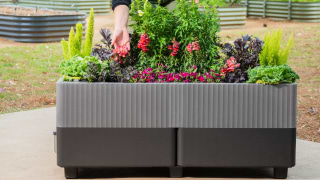
Vegogarden Banner
World's Best Modular Metal Raised Garden Beds
End of Season Clearance
Up to $400 Off
Plus free gifts with select purchases
Shop Now
See Offer Details
As winter looms and the first frost approaches, you may notice your garden starting to slow down. That doesn't mean you have to stop growing though. A windowsill with full sun can work for herbs and some greens, but winter daylight is often too weak to support growth indoors. And that's where grow lights come in.
With the right grow light setup, you can start seeds for next spring, keep herbs and leafy greens producing through winter, and grow fresh vegetables indoors even when your outdoor garden is dormant. For gardeners with raised beds or greenhouses for winter, an indoor grow light setup is an alternative way to keep the season going.
Why Do You Need Grow Lights? Plants need light for photosynthesis, and as during winter natural daylight becomes a limiting factor. Apart from shorter days, the sun is also lower in the sky, and a window can provide considerably less usable light. A plant sitting beside a bright window may look like it's getting plenty of light while still becoming pale or yellowish, growing slower or smaller than expected.
A grow light adds to or replaces natural sunlight, giving plants a more consistent source of light during the winter months. This is especially useful for seed starting, herbs, and leafy greens.
What Can You Grow Indoors With Grow Lights? The easiest crops to grow indoors are generally compact plants that don't need a great deal of space.
Leafy Greens Leafy greens are some of the best choices for indoor growing during winter. Try with:
Lettuce
Spinach
Kale
Mustard greens
Microgreens
These crops can provide fresh greens when your garden beds are dormant outside or covered for winter.
Herbs Many culinary herbs grow well indoors when given a sufficient light source. Some good options include:
Basil
Parsley
Cilantro
Thyme
Basil generally prefers warmer conditions, while parsley, cilantro, and chives can grow comfortably in cool indoor environments.
Can You Grow Vegetables Indoors During Winter? A grow light can provide the light plants need, but it doesn't solve every other growing need. Indoor vegetables still need sufficient watering, appropriate temperature, airflow and enough growing space. That's why leafy greens and herbs are generally easier than larger crops.
Growing a full-size tomato indoors through winter, for instance, requires considerably more space, light, and care than growing lettuce. For most home gardeners, winter indoor growing works best as a supplement to the outdoor garden rather than a total replacement.
How Long Should Grow Lights Be On? As a general starting point, many indoor seedlings and greens can benefit from roughly 12 to 16 hours of light per day, followed by a period of darkness. Just remember, your plants need a dark period, too. Running lights continuously can disrupt normal plant processes and doesn't necessarily lead to healthier growth.
Using a timer can make this much easier. Set the lights to turn on and off at consistent times instead of trying to remember to do it every day.
How Close Should a Grow Light Be to Plants? If a light is too far away, plants may stretch toward it because they're not receiving enough usable light. If it's too close, the leaves may become stressed or damaged. If leaves show signs of excessive light or heat stress, the light may be too intense or too close.
Grow Lights vs. a Sunny Windowsill A sunny window can be enough for certain houseplants and herbs, but it's often not sufficient for starting strong vegetable seeds. Even a bright-looking window has limitations in winter as daylight hours are shorter, and glass may reduce the amount of usable light reaching your plants.
A grow light gives you more control. You can keep the light at a consistent height, provide a predictable daily schedule, and position it directly over the plants.
How to Start Seeds Indoors With Grow Lights If your outdoor garden is slowing down, winter is a good time to think ahead. Here's a simple setup to try to start seeds indoors.
1. Choose the Right Seeds Start with crops that make sense for seed starting indoors. Broccoli, kale, lettuce, tomatoes, peppers, and many herbs are common choices. Check the recommended seed-starting schedule for your region rather than starting it all at once.
2. Use a Seed-Starting Medium Use a well-draining seed-starting mix rather than heavy soil. Seeds need moisture and oxygen around their roots, and overly dense soil can make germination more difficult.
3. Water Gently Keep the growing medium moist but not waterlogged. Young seedlings have small root systems, so they can dry out quickly. At the same time, constantly saturated soil can encourage disease and undermine root development.
4. Turn on the Grow Light Once seedlings emerge, position the grow light according to recommendations. Don't wait until seedlings get leggy before providing strong light.
5. Give Seedlings Darkness Try using a timer to create a consistent lighting cycle. Having a schedule to follow is much easier than manually switching the light on and off every day.
6. Adjust as Plants Grow Keep monitoring plant height, color, and overall growth. As seedlings become larger, you may need to adjust the light position or spacing.
Can You Use Grow Lights for Winter Herbs? Herbs are particularly convenient for indoor winter growing because many don't require much space. A small grow-light setup can keep a selection of fresh herbs growing even when outdoor temperatures make the garden inaccessible.
For example, you could keep herbs like basil, parsley, chives, and cilantro growing on a small indoor shelf. This also gives you an easy way to keep cooking with fresh herbs throughout winter instead of making many trips to the grocery store.
Using Grow Lights on Microgreens Microgreens are another excellent choice for grow lights . They grow quickly, require little space, and can be harvested when young.
Because you don't need to grow them to full maturity, a small indoor setup can produce several successive harvests. Some good options include radishes, pea shoots, sunflower, or arugula A shallow tray, growing medium, water, and a suitable grow light are often enough to get started.
How Grow Lights Fit Into a Winter Garden Grow lights don't have to replace your garden set up. Think of them as another part of your seasonal growing strategy.
Outdoors Continue growing cold-hardy vegetables such as kale, spinach, carrots, and Brussels sprouts where your climate allows.
Greenhouse Use an unheated greenhouse to protect suitable crops from wind, frost, and extreme weather.
Indoors Use grow lights for herbs, leafy greens, microgreens, and seedlings. This gives you several growing environments instead of relying entirely on your outdoor garden.
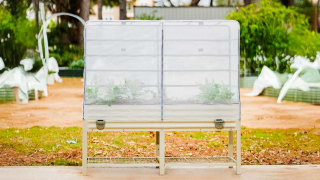
Using Grow Lights With an Indoor Garden Having an indoor growing system can make winter gardening much easier because it combines a controlled growing environment with added light. Vego Garden's Indoor Garden is designed for growing indoors and can be paired with grow lights to help plants get consistent light when natural daylight is limited.
This can be particularly useful in winter, when a kitchen counter or windowsill may not provide enough light for healthy vegetable growth.
Do Grow Lights Use a Lot of Electricity? The electricity cost depends on the type and wattage of the light, how many hours it operates, and your local electricity rate. LED grow lights are popular for indoor gardening because they can provide substantial light output with relatively low energy use compared with older lighting technologies.
For a small seed-starting shelf or herb garden, the overall energy use can be quite manageable. There's no need to light up an entire room when you're only growing a few trays of seedlings.
Can You Grow Vegetables Indoors Without Natural Light? Plants don't require sunlight specifically; they require suitable light for photosynthesis. A properly designed artificial-light setup can provide that light indoors.
That means you can grow certain vegetables, herbs, microgreens, and seedlings in spaces with little or no natural sunlight, provided the other growing conditions are appropriate.
What Should You Grow Under Grow Lights This Winter? If you're new to indoor growing, start small and experiment with a few varieties. A good combination to start with might be lettuce, spinach, microgreens, or some herbs.
Starting with a few trays will teach you much more than filling an entire shelf with seedlings on your first attempt. Once you understand how your lights, watering routine, temperature, and space work together, you can expand.
FAQs Can I grow vegetables indoors in winter? Yes. Leafy greens, herbs, microgreens, and many vegetable seedlings can grow successfully indoors during winter with sufficient light, water, nutrients, and appropriate temperatures.
What vegetables grow best under grow lights? Leafy greens such as lettuce, spinach, kale, and arugula are among the easiest. Herbs and microgreens are also excellent choices. Grow lights are particularly useful for starting seedlings for the outdoor garden.
How many hours should grow lights be on for vegetables? Many seedlings and leafy greens can benefit from roughly 12 to 16 hours of light per day, followed by a period of darkness. The ideal schedule depends on the crop and the intensity of the light.
Can grow lights replace sunlight? Yes, artificial grow lights can provide the light plants need for photosynthesis. However, plants still need suitable temperatures, water, nutrients, airflow, and growing space.
Can I use a regular LED bulb as a grow light? A regular household LED isn't necessarily designed to provide the intensity or light characteristics needed for healthy plant growth. A purpose-built grow light is generally a better choice for growing vegetables indoors.
How close should grow lights be to seedlings? The correct distance depends on the light's intensity and design. Follow the manufacturer's recommendations and watch the plants for signs of insufficient or excessive light.
Can grow lights stop seedlings from getting leggy? They can help prevent legginess caused by insufficient light. Positioning an appropriate grow light close enough to provide adequate intensity can help seedlings develop shorter, sturdier growth.
Can I grow tomatoes indoors with grow lights? Yes, but tomatoes are much more demanding than leafy greens. They need substantial light, adequate space, appropriate temperatures, nutrients, and eventually pollination. For most gardeners, using grow lights to start tomato seedlings indoors is easier than growing full-sized tomato plants indoors all winter.
Are grow lights useful for starting seeds in winter? Yes. Grow lights are particularly useful for starting seeds indoors when natural daylight is weak or inconsistent. They can help young seedlings develop stronger, more compact growth before they are transplanted outdoors.
Do plants need darkness under grow lights? Yes. Plants benefit from a regular period of darkness. Running grow lights continuously isn't necessary and can interfere with normal plant processes.
Final Thoughts Winter doesn't have to mean putting gardening completely on hold. A small indoor growing setup can keep fresh herbs and leafy greens going while also giving you a head start on the coming season.
Grow lights give you greater control. Instead of hoping a winter windowsill provides enough light, you can give indoor crops a consistent light schedule throughout the darker months. Start with a few easy crops, keep the lights at the appropriate distance, and pay attention to how your plants respond.
Alfons C. from Vego Garden
Alfons is an experienced copywriting and marketing expert. He also managed creative campaigns for advertising agencies and renowned brands. He is a graduate of Goldsmiths College, University of London, and originally from Vancouver, Canada.
Get A 5% OFF + Free Shipping*
Be the first to know about our discounts, and get $15 off your next order of $199 + free shipping
Get Your Coupon
Please enable JavaScript to view the
comments powered by Disqus.
Alfons C. from Vego Garden
Alfons is an experienced copywriting and marketing expert. He also managed creative campaigns for advertising agencies and renowned brands. He is a graduate of Goldsmiths College, University of London, and originally from Vancouver, Canada.
Get A 5% OFF + Free Shipping*
Be the first to know about our discounts, and get $15 off your next order of $199 + free shipping
Get Your Coupon
{"39495389741091":{"discounted":true,"percent":true},"39495389773859":{"discounted":true,"percent":true},"39495389806627":{"discounted":true,"percent":true},"39495389839395":{"discounted":true,"percent":true},"39458935832611":{"discounted":true,"percent":true},"39458935767075":{"discounted":true,"percent":true},"39458935865379":{"discounted":true,"percent":true},"39458935799843":{"discounted":true,"percent":true},"39903465013283":{"discounted":true,"percent":true},"39903480250403":{"discounted":true,"percent":true},"39903467896867":{"discounted":true,"percent":true},"39903467962403":{"discounted":true,"percent":true},"39903467995171":{"discounted":true,"percent":true},"39903467929635":{"discounted":true,"percent":true},"39458936389667":{"discounted":true,"percent":true},"39458936324131":{"discounted":true,"percent":true},"39458936422435":{"discounted":true,"percent":true},"39458936356899":{"discounted":true,"percent":true},"33028107501603":{"discounted":true,"percent":true},"39279009136675":{"discounted":true,"percent":true},"39279009169443":{"discounted":true,"percent":true},"33028107534371":{"discounted":true,"percent":true},"40149904130083":{"discounted":true,"percent":true},"40157716578339":{"discounted":true,"percent":true},"40229600591907":{"discounted":true,"percent":true},"33028104650787":{"discounted":true,"percent":true},"39279430959139":{"discounted":true,"percent":true},"33028104683555":{"discounted":true,"percent":true},"39279430893603":{"discounted":true,"percent":true},"40149955215395":{"discounted":true,"percent":true},"40157728243747":{"discounted":true,"percent":true},"40231723794467":{"discounted":true,"percent":true},"39903477334051":{"discounted":true,"percent":true},"39302886096931":{"discounted":true,"percent":true},"39302886031395":{"discounted":true,"percent":true},"39302885998627":{"discounted":true,"percent":true},"39302886064163":{"discounted":true,"percent":true},"39457200799779":{"discounted":true,"percent":true},"39457200734243":{"discounted":true,"percent":true},"39457200832547":{"discounted":true,"percent":true},"39457200767011":{"discounted":true,"percent":true},"39903460065315":{"discounted":true,"percent":true},"33018842087459":{"discounted":true,"percent":true},"39279001403427":{"discounted":true,"percent":true},"33018842120227":{"discounted":true,"percent":true},"39278877605923":{"discounted":true,"percent":true},"40149905244195":{"discounted":true,"percent":true},"40157718347811":{"discounted":true,"percent":true},"39948202377251":{"discounted":true,"percent":true},"39948202410019":{"discounted":true,"percent":true},"39948202311715":{"discounted":true,"percent":true},"39948202344483":{"discounted":true,"percent":true},"39253770141731":{"discounted":true,"percent":true},"39253770174499":{"discounted":true,"percent":true},"39253770240035":{"discounted":true,"percent":true},"39253770207267":{"discounted":true,"percent":true},"39490596012067":{"discounted":true,"percent":true},"39490596044835":{"discounted":true,"percent":true},"39490595979299":{"discounted":true,"percent":true},"39490595946531":{"discounted":true,"percent":true},"40149985001507":{"discounted":true,"percent":true},"40157713072163":{"discounted":true,"percent":true},"33042263932963":{"discounted":true,"percent":true},"33042263965731":{"discounted":true,"percent":true},"39278875476003":{"discounted":true,"percent":true},"39279009792035":{"discounted":true,"percent":true},"40149988737059":{"discounted":true,"percent":true},"40157717430307":{"discounted":true,"percent":true},"40538642743331":{"discounted":true,"percent":true},"32893235068963":{"discounted":true,"percent":true},"39359510183971":{"discounted":true,"percent":true},"39359510380579":{"discounted":true,"percent":true},"39359509626915":{"discounted":true,"percent":true},"39302847758371":{"discounted":true,"percent":true},"33033504161827":{"discounted":true,"percent":true},"39302847266851":{"discounted":true,"percent":true},"39302847528995":{"discounted":true,"percent":true},"39458927509539":{"discounted":true,"percent":true},"39458927444003":{"discounted":true,"percent":true},"39458927542307":{"discounted":true,"percent":true},"39458927476771":{"discounted":true,"percent":true},"39457181958179":{"discounted":true,"percent":true},"39457181892643":{"discounted":true,"percent":true},"39457181990947":{"discounted":true,"percent":true},"39457181925411":{"discounted":true,"percent":true},"33042261409827":{"discounted":true,"percent":true},"33042261442595":{"discounted":true,"percent":true},"39279010742307":{"discounted":true,"percent":true},"39279010709539":{"discounted":true,"percent":true},"40149986869283":{"discounted":true,"percent":true},"40157715529763":{"discounted":true,"percent":true},"40538642415651":{"discounted":true,"percent":true},"33031990509603":{"discounted":true,"percent":true},"33031990542371":{"discounted":true,"percent":true},"39279016345635":{"discounted":true,"percent":true},"39279016476707":{"discounted":true,"percent":true},"40149997027363":{"discounted":true,"percent":true},"40157720936483":{"discounted":true,"percent":true},"39887154577443":{"discounted":true,"percent":true},"39593915875363":{"discounted":true,"percent":true},"39593915908131":{"discounted":true,"percent":true},"39593953296419":{"discounted":true,"percent":true},"39593953329187":{"discounted":true,"percent":true},"39612941565987":{"discounted":true,"percent":true},"39917388333091":{"discounted":true,"percent":true},"39917388365859":{"discounted":true,"percent":true},"39917390135331":{"discounted":true,"percent":true},"39917390168099":{"discounted":true,"percent":true},"39913389490211":{"discounted":true,"percent":true},"39917388398627":{"discounted":true,"percent":true},"39917388431395":{"discounted":true,"percent":true},"39917390200867":{"discounted":true,"percent":true},"40612116004899":{"discounted":true,"percent":true},"40612116037667":{"discounted":true,"percent":true},"39913593077795":{"discounted":true,"percent":true,"caCompareAtPrice":6895},"39913593110563":{"discounted":true,"percent":true,"caCompareAtPrice":11895},"39913593143331":{"discounted":true,"percent":true,"caCompareAtPrice":19595},"39917346193443":{"discounted":true,"percent":true,"caCompareAtPrice":31795},"39663128346659":{"discounted":true,"percent":true},"39663128379427":{"discounted":true,"percent":true},"39922332631075":{"discounted":true,"percent":true},"39922332663843":{"discounted":true,"percent":true},"39922340003875":{"discounted":true,"percent":true,"caCompareAtPrice":11095},"39922340036643":{"discounted":true,"percent":true},"39922340069411":{"discounted":true,"percent":true},"39705961496611":{"discounted":true,"percent":true,"caCompareAtPrice":4195},"39705961529379":{"discounted":true,"percent":true,"caCompareAtPrice":5595},"39705961562147":{"discounted":true,"percent":true,"caCompareAtPrice":8295},"39926582870051":{"discounted":true,"percent":true,"caCompareAtPrice":13794.999999999998},"39869961764899":{"discounted":true,"percent":true},"39869961797667":{"discounted":true,"percent":true},"39869961830435":{"discounted":true,"percent":true},"39936031031331":{"discounted":true,"percent":true},"39705945800739":{"discounted":true,"percent":true,"caCompareAtPrice":9695},"39705945767971":{"discounted":true,"percent":true,"caCompareAtPrice":6895},"39705945833507":{"discounted":true,"percent":true,"caCompareAtPrice":13794.999999999998},"39917346848803":{"discounted":true,"percent":true,"caCompareAtPrice":21995},"40006276382755":{"discounted":true,"percent":true},"40006276546595":{"discounted":true,"percent":true},"40006276775971":{"discounted":true,"percent":true},"40006276939811":{"discounted":true,"percent":true},"40024456036387":{"discounted":true,"percent":true},"40024461049891":{"discounted":true,"percent":true},"40021598797859":{"discounted":true,"percent":true},"40039271923747":{"discounted":true,"percent":true},"40039271956515":{"discounted":true,"percent":true},"40039271989283":{"discounted":true,"percent":true},"40039272022051":{"discounted":true,"percent":true},"40049744576547":{"discounted":true,"percent":true},"40049744609315":{"discounted":true,"percent":true},"40163199975459":{"discounted":true,"percent":true},"40163200008227":{"discounted":true,"percent":true},"40163199942691":{"discounted":true,"percent":true},"40201956589603":{"discounted":true,"percent":true},"40201956622371":{"discounted":true,"percent":true},"40195291480099":{"discounted":true,"percent":true},"40202236526627":{"discounted":true,"percent":true},"40202236559395":{"discounted":true,"percent":true},"40196235591715":{"discounted":true,"percent":true},"40202232037411":{"discounted":true,"percent":true},"40202232070179":{"discounted":true,"percent":true},"40195093495843":{"discounted":true,"percent":true},"40202231152675":{"discounted":true,"percent":true},"40202231185443":{"discounted":true,"percent":true},"40195095560227":{"discounted":true,"percent":true},"40202231447587":{"discounted":true,"percent":true},"40202231480355":{"discounted":true,"percent":true},"40195099328547":{"discounted":true,"percent":true},"40202229121059":{"discounted":true,"percent":true},"40195099688995":{"discounted":true,"percent":true},"40202233937955":{"discounted":true,"percent":true},"40195346268195":{"discounted":true,"percent":true},"40202236657699":{"discounted":true,"percent":true},"40202236690467":{"discounted":true,"percent":true},"40195281846307":{"discounted":true,"percent":true},"40202235969571":{"discounted":true,"percent":true},"40202236002339":{"discounted":true,"percent":true},"40682906943523":{"discounted":true,"percent":true},"40682907009059":{"discounted":true,"percent":true},"40682906976291":{"discounted":true,"percent":true},"40233730211875":{"discounted":true,"percent":true},"40233733259299":{"discounted":true,"percent":true},"40233729851427":{"discounted":true,"percent":true},"40233700491299":{"discounted":true,"percent":true},"40233701376035":{"discounted":true,"percent":true},"40233729753123":{"discounted":true,"percent":true},"40227788619811":{"discounted":true,"percent":true},"40233730801699":{"discounted":true,"percent":true},"40233696165923":{"discounted":true,"percent":true},"40233691807779":{"discounted":true,"percent":true},"40233733750819":{"discounted":true,"percent":true},"40233731817507":{"discounted":true,"percent":true},"40233730277411":{"discounted":true,"percent":true},"40233734209571":{"discounted":true,"percent":true},"40233730768931":{"discounted":true,"percent":true},"40233733685283":{"discounted":true,"percent":true},"40233733554211":{"discounted":true,"percent":true},"40233782771747":{"discounted":true,"percent":true},"40233733062691":{"discounted":true,"percent":true},"40233722839075":{"discounted":true,"percent":true},"40233732341795":{"discounted":true,"percent":true},"40233782804515":{"discounted":true,"percent":true},"40233745481763":{"discounted":true,"percent":true},"40233782706211":{"discounted":true,"percent":true},"40233776906275":{"discounted":true,"percent":true},"40233737584675":{"discounted":true,"percent":true},"40233779920931":{"discounted":true,"percent":true},"40233701146659":{"discounted":true,"percent":true},"40233730965539":{"discounted":true,"percent":true},"40233733914659":{"discounted":true,"percent":true},"40233698492451":{"discounted":true,"percent":true},"40233720774691":{"discounted":true,"percent":true},"40233698164771":{"discounted":true,"percent":true},"40233707372579":{"discounted":true,"percent":true},"40233730506787":{"discounted":true,"percent":true},"40186969849891":{"discounted":true,"percent":true,"caCompareAtPrice":6895},"40186969882659":{"discounted":true,"percent":true,"caCompareAtPrice":9695},"40186969915427":{"discounted":true,"percent":true,"caCompareAtPrice":12395},"40186969948195":{"discounted":true,"percent":true,"caCompareAtPrice":15194.999999999998},"39647044567075":{"discounted":true,"percent":true},"39647044599843":{"discounted":true,"percent":true},"40189384491043":{"discounted":true,"percent":true},"40189384523811":{"discounted":true,"percent":true},"40189384556579":{"discounted":true,"percent":true},"40189384589347":{"discounted":true,"percent":true},"40209225613347":{"discounted":true,"percent":true,"caCompareAtPrice":5595},"40251254702115":{"discounted":true,"percent":true},"40251276525603":{"discounted":true,"percent":true},"40251255128099":{"discounted":true,"percent":true},"40251276197923":{"discounted":true,"percent":true},"40251255160867":{"discounted":true,"percent":true},"40251276230691":{"discounted":true,"percent":true},"40251255193635":{"discounted":true,"percent":true},"40251276263459":{"discounted":true,"percent":true},"40246461792291":{"discounted":true,"percent":true},"40246461759523":{"discounted":true,"percent":true},"40327621640227":{"discounted":true,"percent":true},"40329419194403":{"discounted":true,"percent":true},"40329419227171":{"discounted":true,"percent":true},"40329419259939":{"discounted":true,"percent":true},"40327767064611":{"discounted":true,"percent":true},"40313739903011":{"discounted":true,"percent":true},"40313740165155":{"discounted":true,"percent":true},"40313740197923":{"discounted":true,"percent":true},"40313730367523":{"discounted":true,"percent":true},"40313730498595":{"discounted":true,"percent":true},"40313739411491":{"discounted":true,"percent":true},"40313739444259":{"discounted":true,"percent":true},"40328147238947":{"discounted":true,"percent":true},"40328129282083":{"discounted":true,"percent":true},"40328147075107":{"discounted":true,"percent":true},"40328146747427":{"discounted":true,"percent":true},"40376049893411":{"discounted":true,"percent":true},"40376049926179":{"discounted":true,"percent":true},"40376049958947":{"discounted":true,"percent":true},"40331197972515":{"discounted":true,"percent":true},"40376060149795":{"discounted":true,"percent":true},"40331071422499":{"discounted":true,"percent":true},"40092513566755":{"discounted":true,"percent":true},"40446144512035":{"discounted":true,"percent":true},"40446144544803":{"discounted":true,"percent":true},"40446144577571":{"discounted":true,"percent":true},"40446144610339":{"discounted":true,"percent":true},"40446144643107":{"discounted":true,"percent":true},"40446144675875":{"discounted":true,"percent":true},"40446145757219":{"discounted":true,"percent":true},"40446146412579":{"discounted":true,"percent":true},"40446145298467":{"discounted":true,"percent":true},"40453863473187":{"discounted":true,"percent":true},"40295020199971":{"discounted":true,"percent":true},"40454193971235":{"discounted":true,"percent":true},"40454190759971":{"discounted":true,"percent":true},"40481364148259":{"discounted":true,"percent":true},"40481363853347":{"discounted":true,"percent":true},"40481363755043":{"discounted":true,"percent":true},"40481362837539":{"discounted":true,"percent":true},"40481363623971":{"discounted":true,"percent":true},"40481363460131":{"discounted":true,"percent":true},"40481363132451":{"discounted":true,"percent":true},"40481363394595":{"discounted":true,"percent":true},"40481363066915":{"discounted":true,"percent":true},"40481362739235":{"discounted":true,"percent":true},"40481363230755":{"discounted":true,"percent":true},"40481363296291":{"discounted":true,"percent":true},"40481362935843":{"discounted":true,"percent":true},"40481362149411":{"discounted":true,"percent":true},"40481363787811":{"discounted":true,"percent":true},"40481363492899":{"discounted":true,"percent":true},"40481363427363":{"discounted":true,"percent":true},"40481363558435":{"discounted":true,"percent":true},"40481363165219":{"discounted":true,"percent":true},"40481363001379":{"discounted":true,"percent":true},"40481363099683":{"discounted":true,"percent":true},"40481363263523":{"discounted":true,"percent":true},"40481362673699":{"discounted":true,"percent":true},"40481362608163":{"discounted":true,"percent":true},"40481363034147":{"discounted":true,"percent":true},"40481362477091":{"discounted":true,"percent":true},"40481362542627":{"discounted":true,"percent":true},"40481362870307":{"discounted":true,"percent":true},"40481362575395":{"discounted":true,"percent":true},"40481362903075":{"discounted":true,"percent":true},"40481362378787":{"discounted":true,"percent":true},"40481362411555":{"discounted":true,"percent":true},"40481362772003":{"discounted":true,"percent":true},"40481362116643":{"discounted":true,"percent":true},"40481362804771":{"discounted":true,"percent":true},"40481363197987":{"discounted":true,"percent":true},"40481363361827":{"discounted":true,"percent":true},"40481362247715":{"discounted":true,"percent":true},"40481362346019":{"discounted":true,"percent":true},"40481362509859":{"discounted":true,"percent":true},"40481362083875":{"discounted":true,"percent":true},"40481362018339":{"discounted":true,"percent":true},"40481362051107":{"discounted":true,"percent":true},"40481362182179":{"discounted":true,"percent":true},"40481362280483":{"discounted":true,"percent":true},"40481361756195":{"discounted":true,"percent":true},"40481361985571":{"discounted":true,"percent":true},"40481361952803":{"discounted":true,"percent":true},"40481361920035":{"discounted":true,"percent":true},"40481361854499":{"discounted":true,"percent":true},"40481361821731":{"discounted":true,"percent":true},"40481361625123":{"discounted":true,"percent":true},"40481361887267":{"discounted":true,"percent":true},"40481361690659":{"discounted":true,"percent":true},"40481361723427":{"discounted":true,"percent":true},"40481361526819":{"discounted":true,"percent":true},"39567814754339":{"discounted":true,"percent":true},"39567814688803":{"discounted":true,"percent":true},"39567814623267":{"discounted":true,"percent":true},"39567814557731":{"discounted":true,"percent":true},"39567814721571":{"discounted":true,"percent":true},"39567814656035":{"discounted":true,"percent":true},"39567814590499":{"discounted":true,"percent":true},"39567814524963":{"discounted":true,"percent":true},"40186969653283":{"discounted":true,"percent":true},"40186969686051":{"discounted":true,"percent":true},"39567815409699":{"discounted":true,"percent":true},"40135922253859":{"discounted":true,"percent":true},"39567815475235":{"discounted":true,"percent":true},"39567815737379":{"discounted":true,"percent":true},"39567815573539":{"discounted":true,"percent":true},"39567815376931":{"discounted":true,"percent":true},"39567815540771":{"discounted":true,"percent":true},"39567815639075":{"discounted":true,"percent":true},"39567815606307":{"discounted":true,"percent":true},"39567815704611":{"discounted":true,"percent":true},"39567815508003":{"discounted":true,"percent":true},"39567815671843":{"discounted":true,"percent":true},"39567815442467":{"discounted":true,"percent":true},"39569217355811":{"discounted":true,"percent":true},"40313706414115":{"discounted":true,"percent":true},"40497627332643":{"discounted":true,"percent":true},"40313682395171":{"discounted":true,"percent":true},"40497627365411":{"discounted":true,"percent":true},"40313706381347":{"discounted":true,"percent":true},"40497627398179":{"discounted":true,"percent":true},"40561018994723":{"discounted":true,"percent":true},"40561019027491":{"discounted":true,"percent":true},"40561019060259":{"discounted":true,"percent":true},"40313682591779":{"discounted":true,"percent":true},"40497628184611":{"discounted":true,"percent":true},"40313682296867":{"discounted":true,"percent":true},"40497628217379":{"discounted":true,"percent":true},"40313682559011":{"discounted":true,"percent":true},"40497628250147":{"discounted":true,"percent":true},"40561019551779":{"discounted":true,"percent":true},"40561019584547":{"discounted":true,"percent":true},"40561019617315":{"discounted":true,"percent":true},"40503763370019":{"discounted":true,"percent":true},"40503763435555":{"discounted":true,"percent":true},"40503772610595":{"discounted":true,"percent":true},"40503766024227":{"discounted":true,"percent":true},"40837297242147":{"discounted":true,"percent":true},"40837297274915":{"discounted":true,"percent":true},"40837297307683":{"discounted":true,"percent":true},"40837297340451":{"discounted":true,"percent":true},"40837297373219":{"discounted":true,"percent":true},"40837297405987":{"discounted":true,"percent":true},"40503797743651":{"discounted":true,"percent":true},"40503800135715":{"discounted":true,"percent":true},"40516735467555":{"discounted":true,"percent":true},"40516658266147":{"discounted":true,"percent":true},"40516558389283":{"discounted":true,"percent":true},"40516773576739":{"discounted":true,"percent":true},"40837258412067":{"discounted":true,"percent":true},"40837258444835":{"discounted":true,"percent":true},"40837258477603":{"discounted":true,"percent":true},"40837258510371":{"discounted":true,"percent":true},"40837258543139":{"discounted":true,"percent":true},"40837258575907":{"discounted":true,"percent":true},"40837258608675":{"discounted":true,"percent":true},"40837258641443":{"discounted":true,"percent":true},"40837258674211":{"discounted":true,"percent":true},"40519099252771":{"discounted":true,"percent":true},"40528983392291":{"discounted":true,"percent":true},"40528983425059":{"discounted":true,"percent":true},"40528983457827":{"discounted":true,"percent":true},"40528983490595":{"discounted":true,"percent":true},"40528983523363":{"discounted":true,"percent":true},"40528983556131":{"discounted":true,"percent":true},"40528983588899":{"discounted":true,"percent":true},"40528983621667":{"discounted":true,"percent":true},"40528983654435":{"discounted":true,"percent":true},"39900463038499":{"discounted":true,"percent":true},"39900463005731":{"discounted":true,"percent":true},"40169091399715":{"discounted":true,"percent":true},"40169091596323":{"discounted":true,"percent":true},"40169091432483":{"discounted":true,"percent":true},"40169091465251":{"discounted":true,"percent":true},"40169091498019":{"discounted":true,"percent":true},"40169091530787":{"discounted":true,"percent":true},"40169091563555":{"discounted":true,"percent":true},"40134039535651":{"discounted":true,"percent":true},"40134039568419":{"discounted":true,"percent":true},"40134039601187":{"discounted":true,"percent":true},"40134039633955":{"discounted":true,"percent":true},"40134039666723":{"discounted":true,"percent":true},"40134039699491":{"discounted":true,"percent":true},"40134039732259":{"discounted":true,"percent":true},"40134039765027":{"discounted":true,"percent":true},"40134039797795":{"discounted":true,"percent":true},"40134039830563":{"discounted":true,"percent":true},"40134039863331":{"discounted":true,"percent":true},"40134039896099":{"discounted":true,"percent":true},"40134039928867":{"discounted":true,"percent":true},"40528971399203":{"discounted":true,"percent":true},"40468308459555":{"discounted":true,"percent":true},"40528971431971":{"discounted":true,"percent":true},"40528971464739":{"discounted":true,"percent":true},"40528971497507":{"discounted":true,"percent":true},"40528971530275":{"discounted":true,"percent":true},"40528971563043":{"discounted":true,"percent":true},"40528971595811":{"discounted":true,"percent":true},"40528971628579":{"discounted":true,"percent":true},"40549336219683":{"discounted":true,"percent":true},"40549336252451":{"discounted":true,"percent":true},"40549336285219":{"discounted":true,"percent":true},"40549336317987":{"discounted":true,"percent":true},"40549378818083":{"discounted":true,"percent":true},"40549378850851":{"discounted":true,"percent":true},"40549378883619":{"discounted":true,"percent":true},"40549372657699":{"discounted":true,"percent":true},"40549372690467":{"discounted":true,"percent":true},"40549372723235":{"discounted":true,"percent":true},"40443932246051":{"discounted":true,"percent":true},"40443932278819":{"discounted":true,"percent":true},"40443932311587":{"discounted":true,"percent":true},"40443932344355":{"discounted":true,"percent":true},"40443932377123":{"discounted":true,"percent":true},"40443932409891":{"discounted":true,"percent":true},"40443932442659":{"discounted":true,"percent":true},"40170791239715":{"discounted":true,"percent":true},"40411875770403":{"discounted":true,"percent":true},"40330991534115":{"discounted":true,"percent":true},"40558101069859":{"discounted":true,"percent":true},"40558101102627":{"discounted":true,"percent":true},"40558092910627":{"discounted":true,"percent":true},"40558092943395":{"discounted":true,"percent":true},"40558403813411":{"discounted":true,"percent":true},"40557999259683":{"discounted":true,"percent":true},"40557999292451":{"discounted":true,"percent":true},"40558401028131":{"discounted":true,"percent":true},"40558003453987":{"discounted":true,"percent":true},"40558003486755":{"discounted":true,"percent":true},"40558000570403":{"discounted":true,"percent":true},"40558000603171":{"discounted":true,"percent":true},"40558401585187":{"discounted":true,"percent":true},"40558002896931":{"discounted":true,"percent":true},"40558002929699":{"discounted":true,"percent":true},"40558402306083":{"discounted":true,"percent":true},"40561551474723":{"discounted":true,"percent":true},"40561551507491":{"discounted":true,"percent":true},"40561551540259":{"discounted":true,"percent":true},"40561551573027":{"discounted":true,"percent":true},"40561551605795":{"discounted":true,"percent":true},"40561551638563":{"discounted":true,"percent":true},"40561553047587":{"discounted":true,"percent":true},"40561553080355":{"discounted":true,"percent":true},"40561553113123":{"discounted":true,"percent":true},"40561553145891":{"discounted":true,"percent":true},"40561553178659":{"discounted":true,"percent":true},"40561553211427":{"discounted":true,"percent":true},"40561568907299":{"discounted":true,"percent":true},"40561568940067":{"discounted":true,"percent":true},"40561568972835":{"discounted":true,"percent":true},"40561569005603":{"discounted":true,"percent":true},"40561569038371":{"discounted":true,"percent":true},"40561569071139":{"discounted":true,"percent":true},"40563230277667":{"discounted":true,"percent":true},"40563230310435":{"discounted":true,"percent":true},"40565181120547":{"discounted":true,"percent":true},"40565181153315":{"discounted":true,"percent":true},"40565181186083":{"discounted":true,"percent":true},"40565200617507":{"discounted":true,"percent":true},"40565200650275":{"discounted":true,"percent":true},"40565200683043":{"discounted":true,"percent":true},"40565234008099":{"discounted":true,"percent":true},"40565234040867":{"discounted":true,"percent":true},"40565234073635":{"discounted":true,"percent":true},"40565244035107":{"discounted":true,"percent":true},"40565244067875":{"discounted":true,"percent":true},"40565244100643":{"discounted":true,"percent":true},"40575683362851":{"discounted":true,"percent":true},"40579370188835":{"discounted":true},"40575663898659":{"discounted":true,"percent":true},"40579374415907":{"discounted":true,"percent":true},"40769353809955":{"discounted":true,"percent":true},"40582727073827":{"discounted":true,"percent":true},"40582727106595":{"discounted":true,"percent":true},"40769354760227":{"discounted":true,"percent":true},"40585940041763":{"discounted":true,"percent":true},"40585940074531":{"discounted":true,"percent":true},"40770454126627":{"discounted":true,"percent":true},"40770454159395":{"discounted":true,"percent":true},"40837276827683":{"discounted":true,"percent":true},"40837276860451":{"discounted":true,"percent":true},"40837276893219":{"discounted":true,"percent":true},"40837276925987":{"discounted":true,"percent":true},"40837276958755":{"discounted":true,"percent":true},"40837276991523":{"discounted":true,"percent":true},"40837277024291":{"discounted":true,"percent":true},"40837277057059":{"discounted":true,"percent":true},"40837277089827":{"discounted":true,"percent":true},"40600751374371":{"discounted":true,"percent":true},"40600751407139":{"discounted":true,"percent":true},"40577987444771":{"discounted":true,"percent":true},"40577987412003":{"discounted":true,"percent":true},"40577987346467":{"discounted":true,"percent":true},"40577987510307":{"discounted":true,"percent":true},"40577987379235":{"discounted":true,"percent":true},"40577987477539":{"discounted":true,"percent":true},"40575684771875":{"discounted":true,"percent":true},"40575684083747":{"discounted":true},"40575684116515":{"discounted":true},"40575686115363":{"discounted":true,"percent":true},"40575684902947":{"discounted":true,"percent":true},"40575684968483":{"discounted":true,"percent":true},"40624748527651":{"discounted":true,"percent":true},"40624748560419":{"discounted":true,"percent":true},"40623599976483":{"discounted":true,"percent":true},"40623600009251":{"discounted":true,"percent":true},"40623600042019":{"discounted":true,"percent":true},"40623600074787":{"discounted":true,"percent":true},"40603450048547":{"discounted":true,"percent":true},"40603450081315":{"discounted":true,"percent":true},"40603450114083":{"discounted":true,"percent":true},"40632770887715":{"discounted":true},"40632770920483":{"discounted":true},"40632770953251":{"discounted":true},"40632776785955":{"discounted":true},"40632776851491":{"discounted":true},"40632776917027":{"discounted":true},"41890808201251":{"discounted":true},"41890808234019":{"discounted":true},"41890808266787":{"discounted":true},"40674028159011":{"discounted":true},"40674028191779":{"discounted":true},"40674588459043":{"discounted":true},"40674588491811":{"discounted":true},"40674028814371":{"discounted":true},"40674028847139":{"discounted":true},"40674588819491":{"discounted":true},"40674588852259":{"discounted":true},"40674511257635":{"discounted":true},"40674511290403":{"discounted":true},"40674511323171":{"discounted":true},"40674511355939":{"discounted":true},"40674512240675":{"discounted":true},"40674512273443":{"discounted":true},"40674512306211":{"discounted":true},"40674512338979":{"discounted":true},"40482229747747":{"discounted":true},"40696809914403":{"discounted":true},"40700910632995":{"discounted":true},"40700910665763":{"discounted":true},"40700910698531":{"discounted":true},"40700910731299":{"discounted":true},"40700910764067":{"discounted":true},"40700910796835":{"discounted":true},"40700901687331":{"discounted":true},"40700901720099":{"discounted":true},"40707472588835":{"discounted":true},"40707472982051":{"discounted":true},"40706641362979":{"discounted":true},"40721328013347":{"discounted":true},"40713409396771":{"discounted":true},"40713409429539":{"discounted":true},"40724032421923":{"discounted":true},"40724032454691":{"discounted":true},"40724032487459":{"discounted":true},"40724020068387":{"discounted":true},"40724020101155":{"discounted":true},"40734272094243":{"discounted":true},"40734272127011":{"discounted":true},"40734272258083":{"discounted":true},"40734272323619":{"discounted":true},"40734272389155":{"discounted":true},"40740311695395":{"discounted":true},"40740311728163":{"discounted":true},"40740035330083":{"discounted":true},"40740035362851":{"discounted":true},"40740035395619":{"discounted":true},"40740022124579":{"discounted":true,"percent":true},"40740022157347":{"discounted":true,"percent":true},"40740022190115":{"discounted":true,"percent":true},"40740022222883":{"discounted":true,"percent":true},"40740022255651":{"discounted":true,"percent":true},"40740022288419":{"discounted":true,"percent":true},"40740016554019":{"discounted":true},"40740007182371":{"discounted":true},"40740007215139":{"discounted":true},"40740007247907":{"discounted":true},"40740007280675":{"discounted":true},"40739982180387":{"discounted":true,"percent":true},"40739982213155":{"discounted":true,"percent":true},"40739982245923":{"discounted":true,"percent":true},"40739982311459":{"discounted":true,"percent":true},"40739974414371":{"discounted":true},"40744601878563":{"discounted":true},"40744601911331":{"discounted":true},"40744601944099":{"discounted":true},"40739965370403":{"discounted":true},"40739943874595":{"discounted":true},"40739943907363":{"discounted":true},"40739912220707":{"discounted":true},"40739912253475":{"discounted":true},"40739912286243":{"discounted":true},"40739912319011":{"discounted":true},"40739912351779":{"discounted":true},"40739912384547":{"discounted":true},"40739912417315":{"discounted":true},"40739888529443":{"discounted":true},"40738045657123":{"discounted":true},"40738045689891":{"discounted":true,"caCompareAtPrice":56195.00000000001},"40738045722659":{"discounted":true},"40746867654691":{"discounted":true},"40746867687459":{"discounted":true},"40746867720227":{"discounted":true},"40746867752995":{"discounted":true},"40749252378659":{"discounted":true},"40749308543011":{"discounted":true},"40749726498851":{"discounted":true},"40749727154211":{"discounted":true},"40749728301091":{"discounted":true},"40752536944675":{"discounted":true},"40752536977443":{"discounted":true},"40752537075747":{"discounted":true},"40752537010211":{"discounted":true},"40752554475555":{"discounted":true},"40752537042979":{"discounted":true},"40752526884899":{"discounted":true},"40752526917667":{"discounted":true},"40753362370595":{"discounted":true},"40753362403363":{"discounted":true},"40753362436131":{"discounted":true},"40753362468899":{"discounted":true},"40761031950371":{"discounted":true},"40760981389347":{"discounted":true},"40731163394083":{"discounted":true},"40751841050659":{"discounted":true},"40766173249571":{"discounted":true},"40767208226851":{"discounted":true},"40767208259619":{"discounted":true},"40767208292387":{"discounted":true},"40760982765603":{"discounted":true},"40771181772835":{"discounted":true},"40771256057891":{"discounted":true},"40837297668131":{"discounted":true},"40837297700899":{"discounted":true},"40837297733667":{"discounted":true},"40837297766435":{"discounted":true},"40775268040739":{"discounted":true},"40775799767075":{"discounted":true},"40775879950371":{"discounted":true},"40771053223971":{"discounted":true},"40782894923811":{"discounted":true},"40782903279651":{"discounted":true},"40782908489763":{"discounted":true},"40782912651299":{"discounted":true},"40782913241123":{"discounted":true},"40782914027555":{"discounted":true},"40782914682915":{"discounted":true},"40782915600419":{"discounted":true},"40782915764259":{"discounted":true},"40783640985635":{"discounted":true},"40181956116515":{"discounted":true},"40794599358499":{"discounted":true},"40801300414499":{"discounted":true},"40801300447267":{"discounted":true},"40801300480035":{"discounted":true},"40804272046115":{"discounted":true},"40804272078883":{"discounted":true},"40804272111651":{"discounted":true},"40804272275491":{"discounted":true},"40804272308259":{"discounted":true},"40804272341027":{"discounted":true},"40804272472099":{"discounted":true},"40804272504867":{"discounted":true},"40804272537635":{"discounted":true},"40804269981731":{"discounted":true},"40804271489059":{"discounted":true},"40804385685539":{"discounted":true},"40804385718307":{"discounted":true},"40804385751075":{"discounted":true},"40805784748067":{"discounted":true},"40805784780835":{"discounted":true},"40805784682531":{"discounted":true},"40805784715299":{"discounted":true},"40804266082339":{"discounted":true},"40804266115107":{"discounted":true},"40804266147875":{"discounted":true},"40804266180643":{"discounted":true},"40805366431779":{"discounted":true},"40805281136675":{"discounted":true},"40809607790627":{"discounted":true,"percent":true},"40809607823395":{"discounted":true,"percent":true},"40809607856163":{"discounted":true,"percent":true},"40809614409763":{"discounted":true,"percent":true},"40809614442531":{"discounted":true,"percent":true},"40809614475299":{"discounted":true,"percent":true},"40809617293347":{"discounted":true,"percent":true},"40809617326115":{"discounted":true,"percent":true},"40809617358883":{"discounted":true,"percent":true},"40809617817635":{"discounted":true,"percent":true},"40809617850403":{"discounted":true,"percent":true},"40809617883171":{"discounted":true,"percent":true},"40809675751459":{"discounted":true,"percent":true},"40809675784227":{"discounted":true,"percent":true},"40809675816995":{"discounted":true,"percent":true},"40809675620387":{"discounted":true,"percent":true},"40809675653155":{"discounted":true,"percent":true},"40809675685923":{"discounted":true,"percent":true},"40809674932259":{"discounted":true,"percent":true},"40809674965027":{"discounted":true,"percent":true},"40809674997795":{"discounted":true,"percent":true},"40809674833955":{"discounted":true,"percent":true},"40809674866723":{"discounted":true,"percent":true},"40809674899491":{"discounted":true,"percent":true},"40727616716835":{"discounted":true},"40727616749603":{"discounted":true},"40782413103139":{"discounted":true},"40782413135907":{"discounted":true},"40806981992483":{"discounted":true},"40806982025251":{"discounted":true},"40782455570467":{"discounted":true},"40782455603235":{"discounted":true},"40782463303715":{"discounted":true},"40782463336483":{"discounted":true},"40806983073827":{"discounted":true},"40806983106595":{"discounted":true},"40747673255971":{"discounted":true},"40747673288739":{"discounted":true},"40806983237667":{"discounted":true},"40806983270435":{"discounted":true},"40806984351779":{"discounted":true},"40806984384547":{"discounted":true},"40806984744995":{"discounted":true},"40806984777763":{"discounted":true},"40510812749859":{"discounted":true},"40510812782627":{"discounted":true},"40510812815395":{"discounted":true},"40785685217315":{"discounted":true},"40785685250083":{"discounted":true},"40510811668515":{"discounted":true},"40510811701283":{"discounted":true},"40510811734051":{"discounted":true},"40510811766819":{"discounted":true},"40748790054947":{"discounted":true},"40748790087715":{"discounted":true},"40806985826339":{"discounted":true},"40806985859107":{"discounted":true},"40733104209955":{"discounted":true},"40510808129571":{"discounted":true},"40510808588323":{"discounted":true},"40510809014307":{"discounted":true},"40785685413923":{"discounted":true},"40785685446691":{"discounted":true},"40481363591203":{"discounted":true},"40481363656739":{"discounted":true},"40481363689507":{"discounted":true},"40785741676579":{"discounted":true},"40785741709347":{"discounted":true},"40801550794787":{"discounted":true},"40806987071523":{"discounted":true},"40806987104291":{"discounted":true},"40785889820707":{"discounted":true},"40785889853475":{"discounted":true},"40727440883747":{"discounted":true},"40727440916515":{"discounted":true},"40806988021795":{"discounted":true},"40806988054563":{"discounted":true},"40785923244067":{"discounted":true},"40785923276835":{"discounted":true},"40806988972067":{"discounted":true},"40806989004835":{"discounted":true},"40786193481763":{"discounted":true},"40786193514531":{"discounted":true},"40750153334819":{"discounted":true},"40786238898211":{"discounted":true},"40786238930979":{"discounted":true},"40805535350819":{"discounted":true},"40805535383587":{"discounted":true},"40786246369315":{"discounted":true},"40786246402083":{"discounted":true},"40786247548963":{"discounted":true},"40786247581731":{"discounted":true},"40786248695843":{"discounted":true},"40786248728611":{"discounted":true},"40807051198499":{"discounted":true},"40807051231267":{"discounted":true},"40775664205859":{"discounted":true},"40775664238627":{"discounted":true},"40775664271395":{"discounted":true},"40775664304163":{"discounted":true},"40775664336931":{"discounted":true},"40775664369699":{"discounted":true},"40775664402467":{"discounted":true},"40775664435235":{"discounted":true},"40775664468003":{"discounted":true},"40775664500771":{"discounted":true},"40775664533539":{"discounted":true},"40775664566307":{"discounted":true},"40775664599075":{"discounted":true},"40775664631843":{"discounted":true},"40775664664611":{"discounted":true},"40775664697379":{"discounted":true},"40733132652579":{"discounted":true},"40727608393763":{"discounted":true},"40805549375523":{"discounted":true},"40805549408291":{"discounted":true},"40807052017699":{"discounted":true},"40807052050467":{"discounted":true},"40727616520227":{"discounted":true},"40727616552995":{"discounted":true},"40510808686627":{"discounted":true},"40510809210915":{"discounted":true},"40510813175843":{"discounted":true},"40510813208611":{"discounted":true},"40510813241379":{"discounted":true},"40510813274147":{"discounted":true},"40510813306915":{"discounted":true},"40510813339683":{"discounted":true},"40510813372451":{"discounted":true},"40510813405219":{"discounted":true},"40510813437987":{"discounted":true},"40764371370019":{"discounted":true},"40785983406115":{"discounted":true},"40785983438883":{"discounted":true},"40510809374755":{"discounted":true},"40510809735203":{"discounted":true},"40510809964579":{"discounted":true},"40510810226723":{"discounted":true},"40510807867427":{"discounted":true},"40510808457251":{"discounted":true},"40727617273891":{"discounted":true},"40727617306659":{"discounted":true},"40727617339427":{"discounted":true},"40805636014115":{"discounted":true},"40510808326179":{"discounted":true},"40785687740451":{"discounted":true},"40785687773219":{"discounted":true},"40774221103139":{"discounted":true},"40750144618531":{"discounted":true},"40750144651299":{"discounted":true},"40750144684067":{"discounted":true},"40750144716835":{"discounted":true},"40510809178147":{"discounted":true},"40510809669667":{"discounted":true},"40510809833507":{"discounted":true},"40510810128419":{"discounted":true},"40811218075683":{"discounted":true},"40818757468195":{"discounted":true},"40834391867427":{"discounted":true},"40834391900195":{"discounted":true},"40832499515427":{"discounted":true},"40832499548195":{"discounted":true},"40832499580963":{"discounted":true},"40832517734435":{"discounted":true},"40832517767203":{"discounted":true},"40832517799971":{"discounted":true},"40832545554467":{"discounted":true},"40832545587235":{"discounted":true},"40832545620003":{"discounted":true},"40832782434339":{"discounted":true},"40832782467107":{"discounted":true},"40832782499875":{"discounted":true},"40832787873827":{"discounted":true},"40832787906595":{"discounted":true},"40832787939363":{"discounted":true},"40832801210403":{"discounted":true},"40832801243171":{"discounted":true},"40832801275939":{"discounted":true},"40848002023459":{"discounted":true},"40848002056227":{"discounted":true},"40847383822371":{"discounted":true},"40849051156515":{"discounted":true},"40849064984611":{"discounted":true},"40849065017379":{"discounted":true},"40849065050147":{"discounted":true},"40849066852387":{"discounted":true},"40849066885155":{"discounted":true},"40849066917923":{"discounted":true},"40853418541091":{"discounted":true},"40853418573859":{"discounted":true},"40853418606627":{"discounted":true},"40853673017379":{"discounted":true},"40854375530531":{"discounted":true},"40859672281123":{"discounted":true},"40859672313891":{"discounted":true},"40860257419299":{"discounted":true},"40860257452067":{"discounted":true},"40860254765091":{"discounted":true},"40860254797859":{"discounted":true},"40862897078307":{"discounted":true},"40863823626275":{"discounted":true},"40863823659043":{"discounted":true},"40865115275299":{"discounted":true},"40865115308067":{"discounted":true},"40850585387043":{"discounted":true},"40867956752419":{"discounted":true},"40863858851875":{"discounted":true},"40863857639459":{"discounted":true},"40865111932963":{"discounted":true},"40865112358947":{"discounted":true},"40865140834339":{"discounted":true},"40865931722787":{"discounted":true},"40865931755555":{"discounted":true},"40865931788323":{"discounted":true},"40866886844451":{"discounted":true},"40866886877219":{"discounted":true},"40870729089059":{"discounted":true},"40870729121827":{"discounted":true},"40870729154595":{"discounted":true},"40870729449507":{"discounted":true},"40870729482275":{"discounted":true},"40870729515043":{"discounted":true},"40870734954531":{"discounted":true},"40870735347747":{"discounted":true},"40870736691235":{"discounted":true},"40870737543203":{"discounted":true},"40870737870883":{"discounted":true},"40870738591779":{"discounted":true},"40202231873571":{"discounted":true},"40195260317731":{"discounted":true},"40202231906339":{"discounted":true},"40202233151523":{"discounted":true},"40195100639267":{"discounted":true},"40202233184291":{"discounted":true},"40481362640931":{"discounted":true},"40774788612131":{"discounted":true},"40774788644899":{"discounted":true},"40774788677667":{"discounted":true},"40879068971043":{"discounted":true},"40879209644067":{"discounted":true},"40879209676835":{"discounted":true},"40879209709603":{"discounted":true},"40879209742371":{"discounted":true},"40879211020323":{"discounted":true},"40879211053091":{"discounted":true},"40879211085859":{"discounted":true},"40879211118627":{"discounted":true},"40879766241315":{"discounted":true},"40879788982307":{"discounted":true},"40879793504291":{"discounted":true},"40879874572323":{"discounted":true},"40879876374563":{"discounted":true},"40879873392675":{"discounted":true},"40879873720355":{"discounted":true},"40879873982499":{"discounted":true},"40879876767779":{"discounted":true},"40373521416227":{"discounted":true},"39287961583651":{"discounted":true},"39760105111587":{"discounted":true},"39509890990115":{"discounted":true},"39509891022883":{"discounted":true},"40373521383459":{"discounted":true},"39287961550883":{"discounted":true},"39760104685603":{"discounted":true},"39509890826275":{"discounted":true},"39509890859043":{"discounted":true},"40373521448995":{"discounted":true},"39287961616419":{"discounted":true},"39760105439267":{"discounted":true},"39509891153955":{"discounted":true},"39509891186723":{"discounted":true},"40373521481763":{"discounted":true},"39287961649187":{"discounted":true},"39760105570339":{"discounted":true},"39509891317795":{"discounted":true},"39509891350563":{"discounted":true},"32893193289763":{"discounted":true},"33033675964451":{"discounted":true},"32893193322531":{"discounted":true},"33033675669539":{"discounted":true},"39266081439779":{"discounted":true},"32893193355299":{"discounted":true},"40461105692707":{"discounted":true},"39904164216867":{"discounted":true},"39904164511779":{"discounted":true},"39904164249635":{"discounted":true},"39904164282403":{"discounted":true},"40461105725475":{"discounted":true},"39904164085795":{"discounted":true},"39904164118563":{"discounted":true},"39904164151331":{"discounted":true},"39904164184099":{"discounted":true},"40461105823779":{"discounted":true},"39904164315171":{"discounted":true},"39904164544547":{"discounted":true},"39904164347939":{"discounted":true},"39904164380707":{"discounted":true},"40461105758243":{"discounted":true},"39904164413475":{"discounted":true},"39904164577315":{"discounted":true},"39904164446243":{"discounted":true},"39904164479011":{"discounted":true},"40880697049123":{"discounted":true},"39904158023715":{"discounted":true},"39904158318627":{"discounted":true},"39904158056483":{"discounted":true},"39904158089251":{"discounted":true},"40880697081891":{"discounted":true},"39904157892643":{"discounted":true},"39904157925411":{"discounted":true},"39904157958179":{"discounted":true},"39904157990947":{"discounted":true},"40880697114659":{"discounted":true},"39904158122019":{"discounted":true},"39904158351395":{"discounted":true},"39904158154787":{"discounted":true},"39904158187555":{"discounted":true},"40880697147427":{"discounted":true},"39904158220323":{"discounted":true},"39904158384163":{"discounted":true},"39904158253091":{"discounted":true},"39904158285859":{"discounted":true},"40865124581411":{"discounted":true},"40879076016163":{"discounted":true},"40879076048931":{"discounted":true},"40879076081699":{"discounted":true},"40879076114467":{"discounted":true},"40897879343139":{"discounted":true},"40897879375907":{"discounted":true},"40898729115683":{"discounted":true},"40898729148451":{"discounted":true},"40898727837731":{"discounted":true},"40898727870499":{"discounted":true},"40898727903267":{"discounted":true},"40898727936035":{"discounted":true},"40898727116835":{"discounted":true},"40898727149603":{"discounted":true},"40898727182371":{"discounted":true},"40898727215139":{"discounted":true},"40898727247907":{"discounted":true},"40898727280675":{"discounted":true},"40898727313443":{"discounted":true},"40898726854691":{"discounted":true},"40898726887459":{"discounted":true},"40898726363171":{"discounted":true},"40898723512355":{"discounted":true},"40898723545123":{"discounted":true},"40898681372707":{"discounted":true},"40898681405475":{"discounted":true},"40898681438243":{"discounted":true},"40898662105123":{"discounted":true},"40898662137891":{"discounted":true},"40898662170659":{"discounted":true},"40898662203427":{"discounted":true},"40898662236195":{"discounted":true},"40898662268963":{"discounted":true},"40682773577763":{"discounted":true},"40682773544995":{"discounted":true},"40904223522851":{"discounted":true},"40901545459747":{"discounted":true},"40904340144163":{"discounted":true},"40904340176931":{"discounted":true},"40904340209699":{"discounted":true},"40904349057059":{"discounted":true},"40904349089827":{"discounted":true},"40904349122595":{"discounted":true},"40904349155363":{"discounted":true},"40898659647523":{"discounted":true},"40898660499491":{"discounted":true},"40898660925475":{"discounted":true,"auCompareAtPrice":7995},"40898661449763":{"discounted":true},"40916461486115":{"discounted":true},"40926622023715":{"discounted":true},"40926622089251":{"discounted":true},"40926622122019":{"discounted":true},"40926622416931":{"discounted":true},"40926622515235":{"discounted":true},"40926622679075":{"discounted":true},"40926624120867":{"discounted":true},"40926624153635":{"discounted":true},"40926624219171":{"discounted":true},"40926702108707":{"discounted":true},"40926702305315":{"discounted":true},"40926702665763":{"discounted":true},"40926702895139":{"discounted":true},"40926703091747":{"discounted":true},"40926703222819":{"discounted":true},"40926703386659":{"discounted":true},"40926703747107":{"discounted":true},"40926704009251":{"discounted":true},"40926704238627":{"discounted":true},"40926252138531":{"discounted":true},"40926665703459":{"discounted":true},"40926769119267":{"discounted":true},"40926769414179":{"discounted":true},"40926769446947":{"discounted":true},"40926779211811":{"discounted":true},"40926783111203":{"discounted":true},"40926783176739":{"discounted":true},"40926783373347":{"discounted":true},"40926783340579":{"discounted":true},"40926622711843":{"discounted":true},"40926783242275":{"discounted":true},"40926703255587":{"discounted":true},"40926768955427":{"discounted":true},"40928538656803":{"discounted":true},"40928538689571":{"discounted":true},"40928538722339":{"discounted":true},"40928538755107":{"discounted":true},"40928538787875":{"discounted":true},"40928538820643":{"discounted":true},"40928538853411":{"discounted":true},"40928538886179":{"discounted":true},"40928538918947":{"discounted":true},"40928538951715":{"discounted":true},"40928538984483":{"discounted":true},"40928539017251":{"discounted":true},"40926771380259":{"discounted":true},"40928052183075":{"discounted":true},"40928052215843":{"discounted":true},"40926771445795":{"discounted":true},"40928052248611":{"discounted":true},"40928052281379":{"discounted":true},"40926771511331":{"discounted":true},"40928052314147":{"discounted":true},"40928052346915":{"discounted":true},"40926771576867":{"discounted":true},"40928052379683":{"discounted":true},"40928052412451":{"discounted":true},"40926771642403":{"discounted":true},"40928052445219":{"discounted":true},"40928052477987":{"discounted":true},"40926771707939":{"discounted":true},"40928052510755":{"discounted":true},"40928052543523":{"discounted":true},"40926771773475":{"discounted":true},"40928052576291":{"discounted":true},"40928052609059":{"discounted":true},"40928544325667":{"discounted":true,"percent":true},"40928544358435":{"discounted":true,"percent":true},"40928544391203":{"discounted":true,"percent":true},"40928544423971":{"discounted":true,"percent":true},"40928544456739":{"discounted":true,"percent":true},"40928544489507":{"discounted":true,"percent":true},"40928544522275":{"discounted":true,"percent":true},"40928544555043":{"discounted":true,"percent":true},"40928544587811":{"discounted":true,"percent":true},"40928544718883":{"discounted":true},"40928544751651":{"discounted":true},"40928544784419":{"discounted":true},"40928544817187":{"discounted":true},"40928544849955":{"discounted":true},"40928544882723":{"discounted":true},"40928544915491":{"discounted":true},"40928544948259":{"discounted":true},"40928544981027":{"discounted":true},"40928545013795":{"discounted":true},"40928545046563":{"discounted":true},"40928545079331":{"discounted":true},"40928545112099":{"discounted":true},"40928545144867":{"discounted":true},"40928545177635":{"discounted":true},"40928545210403":{"discounted":true},"40928545243171":{"discounted":true},"40928545275939":{"discounted":true},"40928545308707":{"discounted":true},"40928545341475":{"discounted":true},"40928545374243":{"discounted":true},"40928514179107":{"discounted":true},"40928514113571":{"discounted":true},"40928514146339":{"discounted":true},"40931171434531":{"discounted":true},"40931171467299":{"discounted":true},"40929907048483":{"discounted":true},"40929907081251":{"discounted":true},"40929907114019":{"discounted":true},"40929907146787":{"discounted":true},"40929907179555":{"discounted":true},"40929907212323":{"discounted":true},"40929907245091":{"discounted":true},"40929907277859":{"discounted":true},"40929907310627":{"discounted":true},"40929907343395":{"discounted":true},"40929907376163":{"discounted":true},"40929907408931":{"discounted":true},"41901971570723":{"discounted":true},"41901971603491":{"discounted":true},"41901971636259":{"discounted":true},"41901971669027":{"discounted":true},"41901971701795":{"discounted":true},"41901971734563":{"discounted":true},"41901971767331":{"discounted":true},"41901971800099":{"discounted":true},"41901971832867":{"discounted":true},"41901971865635":{"discounted":true},"41901971898403":{"discounted":true},"41901971931171":{"discounted":true},"40936420442147":{"discounted":true},"40936423456803":{"discounted":true},"40936426471459":{"discounted":true},"40936426569763":{"discounted":true},"40936426635299":{"discounted":true},"40936426766371":{"discounted":true},"40937778511907":{"discounted":true},"40943680159779":{"discounted":true},"40941964460067":{"discounted":true},"40926623825955":{"discounted":true},"40946371559459":{"discounted":true},"40946371592227":{"discounted":true},"40948054458403":{"discounted":true},"40942519124003":{"discounted":true},"40949005189155":{"discounted":true},"40949005221923":{"discounted":true},"40949558575139":{"discounted":true},"40953010192419":{"discounted":true},"40952916705315":{"discounted":true},"40952916738083":{"discounted":true},"40952916770851":{"discounted":true},"40721145888803":{"discounted":true},"40721145921571":{"discounted":true},"40721145856035":{"discounted":true},"40721145954339":{"discounted":true},"40721145987107":{"discounted":true},"40721146019875":{"discounted":true},"40721146052643":{"discounted":true},"40930294136867":{"discounted":true},"40930294169635":{"discounted":true},"40930294202403":{"discounted":true},"40930294235171":{"discounted":true},"40930331000867":{"discounted":true},"40930330902563":{"discounted":true},"40930330935331":{"discounted":true},"40930330968099":{"discounted":true},"40959495176227":{"discounted":true},"40959495208995":{"discounted":true},"40959495143459":{"discounted":true},"40959495241763":{"discounted":true},"40930296561699":{"discounted":true},"40930296594467":{"discounted":true},"40930296692771":{"discounted":true},"40930296660003":{"discounted":true},"40930296627235":{"discounted":true},"40930296528931":{"discounted":true},"40930304163875":{"discounted":true},"40930304131107":{"discounted":true},"40930304262179":{"discounted":true},"40930304196643":{"discounted":true},"40930304229411":{"discounted":true},"40930304098339":{"discounted":true},"40930304294947":{"discounted":true},"40721151262755":{"discounted":true},"40721151197219":{"discounted":true},"40721151295523":{"discounted":true},"40721151229987":{"discounted":true},"40930307833891":{"discounted":true},"40930307866659":{"discounted":true},"40930307768355":{"discounted":true},"40930307801123":{"discounted":true},"40930307899427":{"discounted":true},"40930307932195":{"discounted":true},"40930332803107":{"discounted":true},"40930332835875":{"discounted":true},"40930332901411":{"discounted":true},"40930332868643":{"discounted":true},"40930332934179":{"discounted":true},"40930332966947":{"discounted":true},"40930301116451":{"discounted":true},"40930301149219":{"discounted":true},"40930301181987":{"discounted":true},"40930327265315":{"discounted":true},"40930327298083":{"discounted":true},"40930327134243":{"discounted":true},"40930327167011":{"discounted":true},"40930327199779":{"discounted":true},"40930327232547":{"discounted":true},"40930327330851":{"discounted":true},"40721145626659":{"discounted":true},"40721145659427":{"discounted":true},"40721145692195":{"discounted":true},"40721145724963":{"discounted":true},"40721145757731":{"discounted":true},"40721145790499":{"discounted":true},"40721145593891":{"discounted":true},"40720703356963":{"discounted":true},"40720703291427":{"discounted":true},"40720703324195":{"discounted":true},"40959520538659":{"discounted":true},"40959520571427":{"discounted":true},"40718861238307":{"discounted":true},"40718861172771":{"discounted":true},"40718861205539":{"discounted":true},"40718827290659":{"discounted":true},"40718827356195":{"discounted":true},"40718827323427":{"discounted":true},"40930301706275":{"discounted":true},"40930301673507":{"discounted":true},"40930328772643":{"discounted":true},"40930328739875":{"discounted":true},"40930328805411":{"discounted":true},"40721162502179":{"discounted":true},"40721162534947":{"discounted":true},"40721162567715":{"discounted":true},"40721162600483":{"discounted":true},"40720883318819":{"discounted":true},"40720883253283":{"discounted":true},"40720883286051":{"discounted":true},"40720883351587":{"discounted":true},"40720883384355":{"discounted":true},"40720883417123":{"discounted":true},"40720883449891":{"discounted":true},"40959522930723":{"discounted":true},"40959522865187":{"discounted":true},"40959522897955":{"discounted":true},"40959527026723":{"discounted":true},"40959527059491":{"discounted":true},"40959527092259":{"discounted":true},"40959529582627":{"discounted":true},"40959531548707":{"discounted":true},"40959531581475":{"discounted":true},"40959531614243":{"discounted":true},"40959531647011":{"discounted":true},"40898747170851":{"discounted":true},"40898747203619":{"discounted":true},"40959538069539":{"discounted":true},"40959538102307":{"discounted":true},"40959538004003":{"discounted":true},"40959538036771":{"discounted":true},"40718821097507":{"discounted":true},"40718821064739":{"discounted":true},"40718821130275":{"discounted":true},"40930306949155":{"discounted":true},"40930306916387":{"discounted":true},"40930306883619":{"discounted":true},"40930307047459":{"discounted":true},"40930306981923":{"discounted":true},"40930306850851":{"discounted":true},"40930307014691":{"discounted":true},"40959551406115":{"discounted":true},"40959551340579":{"discounted":true},"40959551275043":{"discounted":true},"40959551307811":{"discounted":true},"40959551373347":{"discounted":true},"40959551438883":{"discounted":true},"40959551471651":{"discounted":true},"40959551504419":{"discounted":true},"40959551537187":{"discounted":true},"40959551569955":{"discounted":true},"40959551602723":{"discounted":true},"40959551635491":{"discounted":true},"40959551668259":{"discounted":true},"40959551701027":{"discounted":true},"40928941277219":{"discounted":true},"40928941309987":{"discounted":true},"40959562547235":{"discounted":true},"40959562580003":{"discounted":true},"40959562612771":{"discounted":true},"40959508086819":{"discounted":true},"40959508119587":{"discounted":true},"40959508152355":{"discounted":true},"40959508185123":{"discounted":true},"40959514574883":{"discounted":true},"40959514607651":{"discounted":true},"40959514640419":{"discounted":true},"40959543541795":{"discounted":true},"40959543509027":{"discounted":true},"40959543377955":{"discounted":true},"40959543410723":{"discounted":true},"40959543443491":{"discounted":true},"40959543476259":{"discounted":true},"40961480589347":{"discounted":true},"40961480622115":{"discounted":true},"40961480654883":{"discounted":true},"40961480687651":{"discounted":true},"40961480720419":{"discounted":true},"40961480753187":{"discounted":true},"40961480851491":{"discounted":true},"40961480884259":{"discounted":true},"40961480917027":{"discounted":true},"40961480982563":{"discounted":true},"40961481015331":{"discounted":true},"40961481048099":{"discounted":true},"40958464753699":{"discounted":true},"40958464786467":{"discounted":true},"40959368986659":{"discounted":true},"40959369019427":{"discounted":true},"40959369052195":{"discounted":true},"40959829639203":{"discounted":true},"40959829671971":{"discounted":true},"40959829704739":{"discounted":true},"40959828918307":{"discounted":true},"40959828951075":{"discounted":true},"40959828983843":{"discounted":true},"40959611895843":{"discounted":true},"40959611928611":{"discounted":true},"40959611961379":{"discounted":true},"40959611994147":{"discounted":true},"40959612026915":{"discounted":true},"40959612059683":{"discounted":true},"40963229122595":{"discounted":true},"40963226173475":{"discounted":true},"40974813364259":{"discounted":true},"40974813397027":{"discounted":true},"40974813626403":{"discounted":true},"40974813659171":{"discounted":true},"40974813888547":{"discounted":true},"40974813921315":{"discounted":true},"40975797059619":{"discounted":true},"40991774048291":{"discounted":true},"40991774081059":{"discounted":true},"40991774113827":{"discounted":true},"40991774146595":{"discounted":true},"40991774179363":{"discounted":true},"40991774212131":{"discounted":true},"41000742977571":{"discounted":true},"41000743010339":{"discounted":true},"41000743043107":{"discounted":true},"41000743075875":{"discounted":true},"40718854094883":{"discounted":true},"40718854062115":{"discounted":true},"40718854127651":{"discounted":true},"41000893448227":{"discounted":true},"41000893382691":{"discounted":true},"41000893415459":{"discounted":true},"40718850654243":{"discounted":true},"40718850588707":{"discounted":true},"40718850621475":{"discounted":true},"41000969306147":{"discounted":true},"41000969338915":{"discounted":true},"41000969371683":{"discounted":true},"40930291417123":{"discounted":true},"40930291351587":{"discounted":true},"40930291318819":{"discounted":true},"40930291515427":{"discounted":true},"40930291449891":{"discounted":true},"40930291482659":{"discounted":true},"41001306292259":{"discounted":true},"40718363787299":{"discounted":true},"40718363754531":{"discounted":true},"40718363688995":{"discounted":true},"40718363656227":{"discounted":true},"40718363721763":{"discounted":true},"40718363820067":{"discounted":true},"40718363852835":{"discounted":true},"40718407860259":{"discounted":true},"40718407893027":{"discounted":true},"40718408024099":{"discounted":true},"40718407827491":{"discounted":true},"40718407598115":{"discounted":true},"40718407630883":{"discounted":true},"40718407663651":{"discounted":true},"40718407696419":{"discounted":true},"40718407729187":{"discounted":true},"40718407761955":{"discounted":true},"40718407925795":{"discounted":true},"40718407958563":{"discounted":true},"40718407991331":{"discounted":true},"40959989874723":{"discounted":true},"41001306685475":{"discounted":true},"41001306816547":{"discounted":true},"41001306914851":{"discounted":true},"41001306947619":{"discounted":true},"40959989907491":{"discounted":true},"40718438498339":{"discounted":true},"40718438367267":{"discounted":true},"40718438400035":{"discounted":true},"40718438432803":{"discounted":true},"40718438531107":{"discounted":true},"40718438596643":{"discounted":true},"40718438629411":{"discounted":true},"40718438662179":{"discounted":true},"40718438694947":{"discounted":true},"40718438727715":{"discounted":true},"40718438465571":{"discounted":true},"40718438563875":{"discounted":true},"41001308061731":{"discounted":true},"41001308094499":{"discounted":true},"41001307865123":{"discounted":true},"41001307897891":{"discounted":true},"41001307930659":{"discounted":true},"41001307963427":{"discounted":true},"41001307996195":{"discounted":true},"41001308028963":{"discounted":true},"41001309077539":{"discounted":true},"41001309110307":{"discounted":true},"41001309143075":{"discounted":true},"41001309175843":{"discounted":true},"41001309306915":{"discounted":true},"41001310027811":{"discounted":true},"41001309405219":{"discounted":true},"40720441475107":{"discounted":true},"40720441507875":{"discounted":true},"40720441540643":{"discounted":true},"41001310191651":{"discounted":true},"41001310126115":{"discounted":true},"41001310158883":{"discounted":true},"40720868900899":{"discounted":true},"41001311141923":{"discounted":true},"40720448421923":{"discounted":true},"40720448356387":{"discounted":true},"40720448389155":{"discounted":true},"40718846853155":{"discounted":true},"40718846885923":{"discounted":true},"40718846918691":{"discounted":true},"41001311272995":{"discounted":true},"41001311240227":{"discounted":true},"41001311174691":{"discounted":true},"41001311207459":{"discounted":true},"41001311305763":{"discounted":true},"41001311338531":{"discounted":true},"40718817525795":{"discounted":true},"40718817558563":{"discounted":true},"40718817591331":{"discounted":true},"40718817624099":{"discounted":true},"40718817656867":{"discounted":true},"40718817689635":{"discounted":true},"41001312518179":{"discounted":true},"41001312550947":{"discounted":true},"41001312583715":{"discounted":true},"41001312616483":{"discounted":true},"41001312780323":{"discounted":true},"41001312813091":{"discounted":true},"41001312845859":{"discounted":true},"41001312878627":{"discounted":true},"41001313075235":{"discounted":true},"41001313042467":{"discounted":true},"41001313108003":{"discounted":true},"41001313140771":{"discounted":true},"41001313304611":{"discounted":true},"41001313337379":{"discounted":true},"41001313271843":{"discounted":true},"41001313533987":{"discounted":true},"41001313599523":{"discounted":true},"41001313566755":{"discounted":true},"41001313730595":{"discounted":true},"41001313861667":{"discounted":true},"41001313894435":{"discounted":true},"41027098705955":{"discounted":true},"41027098837027":{"discounted":true},"41027098968099":{"discounted":true},"40850585419811":{"discounted":true},"40850585452579":{"discounted":true},"40850585485347":{"discounted":true},"41029241077795":{"discounted":true},"41029241110563":{"discounted":true},"41036052267043":{"discounted":true},"41036052299811":{"discounted":true},"41036186288163":{"discounted":true},"41036186320931":{"discounted":true},"41036186353699":{"discounted":true},"41036186386467":{"discounted":true},"41036186681379":{"discounted":true},"41036186714147":{"discounted":true},"41045113438243":{"discounted":true},"41036186255395":{"discounted":true},"41036183863331":{"discounted":true},"41036186648611":{"discounted":true},"41036186189859":{"discounted":true},"41036186222627":{"discounted":true},"41071599419427":{"discounted":true,"percent":true},"41071907799075":{"discounted":true,"percent":true},"41072163258403":{"discounted":true},"41072263987235":{"discounted":true},"41073480204323":{"discounted":true},"41416057782307":{"discounted":true},"41416565424163":{"discounted":true},"41416660058147":{"discounted":true},"41416821047331":{"discounted":true},"41488047243299":{"discounted":true},"41488047046691":{"discounted":true},"41489761370147":{"discounted":true},"41489761402915":{"discounted":true},"41489763368995":{"discounted":true},"41489760813091":{"discounted":true},"41489760845859":{"discounted":true},"41489761173539":{"discounted":true},"41489761206307":{"discounted":true},"41027990257699":{"discounted":true},"41492078297123":{"discounted":true},"41492082688035":{"discounted":true},"40558082097187":{"discounted":true},"40558403321891":{"discounted":true},"41489949622307":{"discounted":true},"41489949655075":{"discounted":true},"41489949687843":{"discounted":true},"41489949720611":{"discounted":true},"40558082064419":{"discounted":true},"40558096547875":{"discounted":true},"40558406434851":{"discounted":true},"41490859098147":{"discounted":true},"41490859130915":{"discounted":true},"41490859163683":{"discounted":true},"41490859196451":{"discounted":true},"40558096515107":{"discounted":true},"41496073011235":{"discounted":true},"41495282614307":{"discounted":true},"41498195230755":{"discounted":true},"41498195361827":{"discounted":true},"41498195492899":{"discounted":true},"41498196312099":{"discounted":true},"41498196443171":{"discounted":true},"41498196574243":{"discounted":true},"41498195886115":{"discounted":true},"41498196017187":{"discounted":true},"41498196148259":{"discounted":true},"41498361298979":{"discounted":true},"41498367492131":{"discounted":true,"percent":true},"41498367524899":{"discounted":true,"percent":true},"41498367557667":{"discounted":true,"percent":true},"40441947881507":{"discounted":true,"percent":true},"40441947914275":{"discounted":true,"percent":true},"40441947717667":{"discounted":true,"percent":true},"40441947783203":{"discounted":true,"percent":true},"40441947750435":{"discounted":true,"percent":true},"40441947815971":{"discounted":true,"percent":true},"40441947848739":{"discounted":true,"percent":true},"40543020023843":{"discounted":true},"40543020056611":{"discounted":true},"40543020089379":{"discounted":true},"40543020122147":{"discounted":true},"40543020154915":{"discounted":true},"40543020187683":{"discounted":true},"40543019991075":{"discounted":true},"40443930312739":{"discounted":true,"percent":true},"40443930378275":{"discounted":true,"percent":true},"40443930214435":{"discounted":true,"percent":true},"40443930345507":{"discounted":true,"percent":true},"40443930181667":{"discounted":true,"percent":true},"40443930247203":{"discounted":true,"percent":true},"40443930279971":{"discounted":true,"percent":true},"40446147199011":{"discounted":true,"percent":true},"40446147100707":{"discounted":true,"percent":true},"40446147035171":{"discounted":true,"percent":true},"40446147067939":{"discounted":true,"percent":true},"40446147133475":{"discounted":true,"percent":true},"40446147166243":{"discounted":true,"percent":true},"40558105165859":{"discounted":true,"percent":true},"40811208441891":{"discounted":true,"percent":true},"40558184955939":{"discounted":true,"percent":true},"40558184988707":{"discounted":true,"percent":true},"40558185021475":{"discounted":true,"percent":true},"40558185054243":{"discounted":true,"percent":true},"40558105133091":{"discounted":true,"percent":true},"40549346377763":{"discounted":true,"percent":true},"40549346312227":{"discounted":true,"percent":true},"40549346410531":{"discounted":true,"percent":true},"40549346443299":{"discounted":true,"percent":true},"40549346476067":{"discounted":true,"percent":true},"40549346344995":{"discounted":true,"percent":true},"40549333008419":{"discounted":true},"40549333041187":{"discounted":true},"40549332942883":{"discounted":true},"40549332975651":{"discounted":true},"40476574351395":{"discounted":true,"percent":true},"40476574318627":{"discounted":true,"percent":true},"40476574187555":{"discounted":true,"percent":true},"40476574220323":{"discounted":true,"percent":true},"40476574253091":{"discounted":true,"percent":true},"40476574285859":{"discounted":true,"percent":true},"40451782246435":{"discounted":true},"40451782279203":{"discounted":true},"40451782311971":{"discounted":true},"40451782344739":{"discounted":true},"40440529780771":{"discounted":true,"percent":true},"40515544514595":{"discounted":true,"percent":true},"40515544547363":{"discounted":true,"percent":true},"40515544580131":{"discounted":true,"percent":true},"40515544612899":{"discounted":true,"percent":true},"40440529748003":{"discounted":true,"percent":true},"40440349098019":{"discounted":true,"percent":true},"40515537535011":{"discounted":true,"percent":true},"40515537436707":{"discounted":true,"percent":true},"40515537567779":{"discounted":true,"percent":true},"40515537469475":{"discounted":true,"percent":true},"40515537502243":{"discounted":true,"percent":true},"40440349065251":{"discounted":true,"percent":true},"40120775049251":{"discounted":true},"40120775082019":{"discounted":true},"40120774918179":{"discounted":true},"40120774950947":{"discounted":true},"40120774983715":{"discounted":true},"40120775016483":{"discounted":true},"40120774852643":{"discounted":true},"40120774885411":{"discounted":true},"40168909602851":{"discounted":true},"40168916156451":{"discounted":true},"40168930738211":{"discounted":true},"40168912027683":{"discounted":true},"40168918417443":{"discounted":true},"40168904032291":{"discounted":true},"40168900395043":{"discounted":true},"40168906752035":{"discounted":true},"40170041606179":{"discounted":true},"40170045014051":{"discounted":true},"40170053107747":{"discounted":true},"40170054058019":{"discounted":true},"39569207459875":{"discounted":true},"39569207558179":{"discounted":true},"39569207394339":{"discounted":true},"39569207590947":{"discounted":true},"39569207492643":{"discounted":true},"39569207525411":{"discounted":true},"39569207623715":{"discounted":true},"39569207427107":{"discounted":true},"41841707941923":{"discounted":true},"41841639063587":{"discounted":true},"41843025641507":{"discounted":true},"41843024199715":{"discounted":true},"41843059097635":{"discounted":true},"41843146981411":{"discounted":true},"41843845857315":{"discounted":true},"41843845890083":{"discounted":true},"41843858112547":{"discounted":true},"41843858145315":{"discounted":true},"41849417138211":{"discounted":true},"41849417170979":{"discounted":true},"41849417203747":{"discounted":true},"41849417236515":{"discounted":true},"41849417269283":{"discounted":true},"41849417302051":{"discounted":true},"41849417367587":{"discounted":true},"41849417400355":{"discounted":true},"41849417433123":{"discounted":true},"41849417465891":{"discounted":true},"41849417498659":{"discounted":true},"41849417531427":{"discounted":true},"41854797971491":{"discounted":true},"41857404436515":{"discounted":true},"40955443249187":{"discounted":true},"40955443281955":{"discounted":true},"39965363568675":{"discounted":true,"percent":true},"39965363699747":{"discounted":true,"percent":true},"39965363765283":{"discounted":true,"percent":true},"39965363634211":{"discounted":true,"percent":true},"41865103114275":{"discounted":true,"percent":true},"41865103212579":{"discounted":true,"percent":true},"41865103310883":{"discounted":true,"percent":true},"41865103409187":{"discounted":true,"percent":true},"41865103671331":{"discounted":true,"percent":true},"41865103769635":{"discounted":true,"percent":true},"41865103867939":{"discounted":true,"percent":true},"41865103966243":{"discounted":true,"percent":true},"40006833799203":{"discounted":true,"percent":true},"40006833897507":{"discounted":true,"percent":true},"40006833831971":{"discounted":true,"percent":true},"40006833864739":{"discounted":true,"percent":true},"41865100722211":{"discounted":true,"percent":true},"41865100787747":{"discounted":true,"percent":true},"41865100853283":{"discounted":true,"percent":true},"41865100918819":{"discounted":true,"percent":true},"41865072476195":{"discounted":true},"41865072508963":{"discounted":true},"41865072541731":{"discounted":true},"41868082610211":{"discounted":true},"41868057149475":{"discounted":true},"40632779014179":{"discounted":true},"41869991608355":{"discounted":true},"40632779079715":{"discounted":true},"41869991641123":{"discounted":true},"40632778948643":{"discounted":true},"41869991673891":{"discounted":true},"41869046349859":{"discounted":true},"41869046251555":{"discounted":true},"41870585331747":{"discounted":true},"41870816444451":{"discounted":true},"41870825881635":{"discounted":true},"41870975238179":{"discounted":true},"41871012298787":{"discounted":true},"41868148277283":{"discounted":true},"41868118294563":{"discounted":true},"41868097880099":{"discounted":true},"41883596980259":{"discounted":true},"41884913696803":{"discounted":true},"41884916711459":{"discounted":true},"41869045792803":{"discounted":true},"41887978160163":{"discounted":true},"41888171491363":{"discounted":true},"41885158899747":{"discounted":true},"41888325599267":{"discounted":true},"41888326287395":{"discounted":true},"41888170115107":{"discounted":true},"41890285158435":{"discounted":true},"41893390811171":{"discounted":true},"41890807218211":{"discounted":true},"41892880908323":{"discounted":true},"41892880941091":{"discounted":true},"39569227677731":{"discounted":true},"39569227644963":{"discounted":true},"39569227710499":{"discounted":true},"41980435562531":{"discounted":true},"41980435595299":{"discounted":true},"41980567158819":{"discounted":true},"41980567191587":{"discounted":true},"41980567289891":{"discounted":true},"41898640277539":{"discounted":true},"41898640310307":{"discounted":true},"41900512411683":{"discounted":true},"41900512444451":{"discounted":true},"41900558647331":{"discounted":true},"41900558680099":{"discounted":true},"41982375591971":{"discounted":true},"41982502600739":{"discounted":true},"41983169200163":{"discounted":true},"40949524693027":{"discounted":true},"40949524725795":{"discounted":true},"40949558738979":{"discounted":true},"40949558771747":{"discounted":true},"40949558804515":{"discounted":true},"41544284373027":{"discounted":true},"41501523836963":{"discounted":true},"41501564862499":{"discounted":true},"41984803504163":{"discounted":true},"41984803536931":{"discounted":true},"41893574967331":{"discounted":true},"41983839469603":{"discounted":true},"41992674213923":{"discounted":true},"41984656048163":{"discounted":true},"41992809054243":{"discounted":true},"41984721354787":{"discounted":true},"41992810168355":{"discounted":true},"41992810299427":{"discounted":true},"40683283513379":{"discounted":true},"40683283546147":{"discounted":true},"40485835178019":{"discounted":true},"40683283578915":{"discounted":true},"40683283611683":{"discounted":true},"40485835210787":{"discounted":true},"40683278729251":{"discounted":true},"40683278762019":{"discounted":true},"40481678164003":{"discounted":true},"40683278794787":{"discounted":true},"40683278827555":{"discounted":true},"40485863882787":{"discounted":true},"41984379191331":{"discounted":true},"41988869226531":{"discounted":true},"41988869259299":{"discounted":true},"41988993253411":{"discounted":true},"41988993286179":{"discounted":true},"41992849326115":{"discounted":true},"41992849358883":{"discounted":true},"41999308161059":{"discounted":true},"42012892200995":{"discounted":true},"42012892233763":{"discounted":true},"42012889645091":{"discounted":true},"42012888825891":{"discounted":true},"42012888858659":{"discounted":true},"42012986376227":{"discounted":true},"42012986408995":{"discounted":true},"42012993552419":{"discounted":true},"42012993585187":{"discounted":true},"42013655072803":{"discounted":true},"42013655105571":{"discounted":true},"42013659037731":{"discounted":true},"42013659070499":{"discounted":true},"42013640228899":{"discounted":true},"42013548740643":{"discounted":true},"42012903276579":{"discounted":true},"42074090274851":{"discounted":true},"42074093453347":{"discounted":true},"42282200072227":{"discounted":true},"42375956135971":{"discounted":true},"42375956168739":{"discounted":true},"42375956201507":{"discounted":true},"42375956234275":{"discounted":true},"42375956267043":{"discounted":true},"42375956299811":{"discounted":true},"42375956693027":{"discounted":true},"42375956725795":{"discounted":true},"42375956758563":{"discounted":true},"42375956791331":{"discounted":true},"40476567732259":{"discounted":true,"percent":true},"40476567601187":{"discounted":true,"percent":true},"40476567633955":{"discounted":true,"percent":true},"40476567666723":{"discounted":true,"percent":true},"40476567699491":{"discounted":true,"percent":true},"40476567765027":{"discounted":true,"percent":true},"40476567797795":{"discounted":true,"percent":true},"42380244942883":{"discounted":true},"42380244975651":{"discounted":true},"42385363501091":{"discounted":true},"42385363533859":{"discounted":true},"42393351946275":{"discounted":true},"42396167503907":{"discounted":true},"42396167536675":{"discounted":true},"42396167569443":{"discounted":true},"42396184838179":{"discounted":true},"42396184870947":{"discounted":true},"42396184903715":{"discounted":true},"40134116016163":{"discounted":true},"40134115983395":{"discounted":true},"40134115852323":{"discounted":true},"40145521180707":{"discounted":true},"40134116114467":{"discounted":true},"40134115885091":{"discounted":true},"40134116212771":{"discounted":true},"40134116147235":{"discounted":true},"40134116245539":{"discounted":true},"40134115917859":{"discounted":true},"40134115950627":{"discounted":true},"40134116048931":{"discounted":true},"40134116081699":{"discounted":true},"40134116180003":{"discounted":true},"40237295927331":{"discounted":true},"40237296058403":{"discounted":true},"40237295960099":{"discounted":true},"42440083406883":{"discounted":true},"42441526378531":{"discounted":true},"42440079245347":{"discounted":true},"42440804663331":{"discounted":true},"42396190769187":{"discounted":true},"42396190801955":{"discounted":true},"42396190834723":{"discounted":true},"42396189982755":{"discounted":true},"42447186984995":{"discounted":true},"42447187017763":{"discounted":true},"42443637915683":{"discounted":true},"42385364746275":{"discounted":true},"42391782293539":{"discounted":true},"42391782457379":{"discounted":true},"40195240755235":{"discounted":true},"40202231283747":{"discounted":true},"40202231316515":{"discounted":true},"42391603445795":{"discounted":true},"40202230857763":{"discounted":true},"40195273064483":{"discounted":true},"40202230890531":{"discounted":true},"42283371233315":{"discounted":true,"percent":true},"42283371298851":{"discounted":true,"percent":true},"42283371266083":{"discounted":true,"percent":true},"42453307162659":{"discounted":true,"percent":true},"42456647270435":{"discounted":true},"41845524889635":{"discounted":true},"42456647073827":{"discounted":true},"41894659719203":{"discounted":true},"41894659751971":{"discounted":true},"42546804752419":{"discounted":true},"41498201161763":{"discounted":true},"43158590783523":{"discounted":true},"43158590816291":{"discounted":true},"43158590849059":{"discounted":true},"43158590881827":{"discounted":true},"43194999177251":{"discounted":true},"43186996445219":{"discounted":true},"43191415013411":{"discounted":true},"43317300985891":{"discounted":true},"43317301018659":{"discounted":true},"43320807522339":{"discounted":true},"43345609359395":{"discounted":true},"43345609424931":{"discounted":true},"43355699478563":{"discounted":true},"43355699511331":{"discounted":true},"43357105553443":{"discounted":true},"43357106241571":{"discounted":true},"43357385064483":{"discounted":true},"43357419470883":{"discounted":true},"43372243910691":{"discounted":true},"43372243943459":{"discounted":true},"43371880316963":{"discounted":true},"43371878055971":{"discounted":true},"40959368855587":{"discounted":true},"42285063766051":{"discounted":true},"40959368888355":{"discounted":true},"42285063798819":{"discounted":true},"40959368822819":{"discounted":true},"42285063831587":{"discounted":true},"41886126637091":{"discounted":true},"42383752429603":{"discounted":true},"39569227382819":{"discounted":true},"39569227448355":{"discounted":true},"39569227415587":{"discounted":true},"40721832738851":{"discounted":true},"40721832804387":{"discounted":true},"40721832771619":{"discounted":true},"40721832837155":{"discounted":true},"40515538452515":{"discounted":true},"40451775037475":{"discounted":true},"41888326909987":{"discounted":true},"39490604531747":{"discounted":true},"39490604564515":{"discounted":true},"39490604466211":{"discounted":true},"39490604498979":{"discounted":true},"40157715431459":{"discounted":true},"40149901279267":{"discounted":true},"40811196842019":{"discounted":true},"42546798526499":{"discounted":true},"41900547571747":{"discounted":true},"41900547604515":{"discounted":true},"43626236346403":{"discounted":true},"42420296712227":{"discounted":true},"43640350539811":{"discounted":true},"43640511201315":{"discounted":true},"40721146347555":{"discounted":true,"percent":true},"40721146282019":{"discounted":true,"percent":true},"40721146445859":{"discounted":true,"percent":true},"40721146314787":{"discounted":true,"percent":true},"40721146478627":{"discounted":true,"percent":true},"40721146413091":{"discounted":true,"percent":true},"40721146380323":{"discounted":true,"percent":true},"41001307635747":{"discounted":true},"41001307602979":{"discounted":true},"41001307504675":{"discounted":true},"41001307471907":{"discounted":true},"41001307570211":{"discounted":true},"41001307537443":{"discounted":true},"41001327099939":{"discounted":true},"43639531438115":{"discounted":true},"43639541596195":{"discounted":true},"43639541563427":{"discounted":true},"43639541628963":{"discounted":true},"40930305933347":{"discounted":true},"40930305900579":{"discounted":true},"40930306031651":{"discounted":true},"40930305998883":{"discounted":true},"40930306064419":{"discounted":true},"40930305966115":{"discounted":true},"43639520559139":{"discounted":true},"43637175124003":{"discounted":true},"43637175156771":{"discounted":true},"43637175189539":{"discounted":true},"43641982451747":{"discounted":true},"43641982484515":{"discounted":true},"43641982517283":{"discounted":true},"43819063607331":{"discounted":true},"40906682368035":{"discounted":true},"40904375107619":{"discounted":true},"40906682400803":{"discounted":true},"40904375140387":{"discounted":true},"40515535437859":{"discounted":true},"40515535470627":{"discounted":true},"40515535503395":{"discounted":true},"40515535536163":{"discounted":true},"40513870954531":{"discounted":true},"40513870987299":{"discounted":true},"42420183334947":{"discounted":true},"42420183367715":{"discounted":true},"42420183400483":{"discounted":true},"43960869126179":{"discounted":true},"40959565332515":{"discounted":true},"40959565398051":{"discounted":true},"40959565266979":{"discounted":true},"40959565299747":{"discounted":true},"40959565365283":{"discounted":true},"40959565234211":{"discounted":true},"43961798787107":{"discounted":true},"43961798819875":{"discounted":true},"43959308353571":{"discounted":true},"43959308386339":{"discounted":true},"43959308419107":{"discounted":true},"43959308451875":{"discounted":true},"43968271351843":{"discounted":true},"43968281575459":{"discounted":true},"43968274989091":{"discounted":true},"40920316936227":{"discounted":true},"40920316870691":{"discounted":true},"40920316903459":{"discounted":true},"44041939058723":{"discounted":true},"44041939091491":{"discounted":true},"44041939124259":{"discounted":true},"44039607844899":{"discounted":true},"44039607812131":{"discounted":true},"44028844933155":{"discounted":true},"44028844965923":{"discounted":true},"44029341794339":{"discounted":true},"44029341827107":{"discounted":true},"44029341859875":{"discounted":true},"44029521690659":{"discounted":true},"44029521723427":{"discounted":true},"44029521756195":{"discounted":true},"44029654958115":{"discounted":true},"44029654990883":{"discounted":true},"44029655023651":{"discounted":true},"44029765484579":{"discounted":true},"44029765517347":{"discounted":true},"44029765550115":{"discounted":true},"44030084939811":{"discounted":true},"44030084972579":{"discounted":true},"44030085005347":{"discounted":true},"44030156865571":{"discounted":true},"44030156898339":{"discounted":true},"44030156931107":{"discounted":true},"44030329192483":{"discounted":true},"44030329225251":{"discounted":true},"44030329258019":{"discounted":true},"44030404689955":{"discounted":true},"44030404722723":{"discounted":true},"44030404755491":{"discounted":true},"44030707662883":{"discounted":true},"44030707695651":{"discounted":true},"44030707728419":{"discounted":true},"44030876647459":{"discounted":true},"44030876680227":{"discounted":true},"44030876712995":{"discounted":true},"44030951850019":{"discounted":true},"44030951882787":{"discounted":true},"44030951915555":{"discounted":true},"44031025283107":{"discounted":true},"44031025315875":{"discounted":true},"44031025348643":{"discounted":true},"44031056936995":{"discounted":true},"44031056969763":{"discounted":true},"44031096684579":{"discounted":true},"44031096717347":{"discounted":true},"44031096750115":{"discounted":true},"44031164121123":{"discounted":true},"44031164153891":{"discounted":true},"44031164186659":{"discounted":true},"44038671695907":{"discounted":true},"44038673104931":{"discounted":true},"44038674153507":{"discounted":true},"44038674186275":{"discounted":true},"44038674448419":{"discounted":true},"44038674481187":{"discounted":true},"44038675791907":{"discounted":true},"44038675824675":{"discounted":true},"44038683230243":{"discounted":true},"44038683394083":{"discounted":true},"44038683426851":{"discounted":true},"44038683688995":{"discounted":true},"44039607582755":{"discounted":true},"44039607648291":{"discounted":true},"44039607681059":{"discounted":true},"44039607713827":{"discounted":true},"44039607746595":{"discounted":true},"44039607779363":{"discounted":true},"43357104111651":{"discounted":true},"44114604523555":{"discounted":true},"44056041357347":{"discounted":true},"44056041390115":{"discounted":true},"44055499735075":{"discounted":true},"44055499767843":{"discounted":true},"40920343019555":{"discounted":true},"40920343052323":{"discounted":true},"40920343085091":{"discounted":true},"40918234169379":{"discounted":true},"40918234136611":{"discounted":true},"40918234234915":{"discounted":true},"40918234202147":{"discounted":true},"40918234103843":{"discounted":true},"40918234071075":{"discounted":true},"40922012352547":{"discounted":true},"40922012385315":{"discounted":true},"40922012418083":{"discounted":true},"40920342036515":{"discounted":true},"40920342069283":{"discounted":true},"40920342003747":{"discounted":true},"40611424632867":{"discounted":true},"40611424665635":{"discounted":true},"40611424698403":{"discounted":true},"40611424731171":{"discounted":true},"40611424763939":{"discounted":true},"40918233612323":{"discounted":true},"40918233579555":{"discounted":true},"40918233677859":{"discounted":true},"40918233645091":{"discounted":true},"40918233743395":{"discounted":true},"40918233710627":{"discounted":true},"40918216605731":{"discounted":true},"40918216572963":{"discounted":true},"40918216540195":{"discounted":true},"40918216507427":{"discounted":true},"40918216671267":{"discounted":true},"40918216638499":{"discounted":true},"40918216736803":{"discounted":true},"40918216704035":{"discounted":true},"41501593272355":{"discounted":true},"41500612460579":{"discounted":true},"41500612493347":{"discounted":true},"41500612526115":{"discounted":true},"41500614066211":{"discounted":true},"41500614098979":{"discounted":true},"41500614131747":{"discounted":true},"41500614164515":{"discounted":true},"41500614197283":{"discounted":true},"41500614230051":{"discounted":true}}