Black Friday Sale
BOGO 20% OFF + 50%
You don't need a huge backyard to grow fresh vegetables in winter. Even a small patio, balcony, or sunny corner can produce fresh greens and herbs through the colder months with the right setup.
With less sunlight and lower temperatures, gardening in winter is less about growing everything and more about making the most of your space. Choose cold-hardy plants, arrange your growing area well, and install protection where needed. With a bit of planning, a small winter garden can keep producing long after your warm-season crops have faded.
Pick the Right Location for Your Garden Sunlight can be one of the key limiting factors in winter. Days are shorter, the sun sits lower, and buildings or fences can obstruct sunlight over your growing space.
Look for the sunniest spot available, ideally receiving at least 4 to 6 hours of direct sunlight daily. Leafy greens can tolerate less sunlight than many fruiting vegetables, making them good choices for winter gardens.
If outdoor sunlight is limited, consider growing some crops indoors with supplemental grow lights . Also, look for a location that is reasonably sheltered from strong winds. Wind can dry out soil quickly and make plants feel colder, especially in exposed balconies or rooftops.
Use Your Vertical Space Instead of spreading your garden across the ground, use trellises, plant supports , shelving, or tiered planters to maximize the area available. Vertical growing is particularly useful for small patios, balconies, and narrow garden spaces.
Depending on your climate and planting timing, you may still be able to grow peas, climbing spinach varieties, or other suitable crops with support. Keep taller structures positioned so they don't block sunlight from smaller plants. Even a few inches of shade can make a difference when winter sunlight is already limited.
Choose Vegetables That Thrive in the Cold The biggest mistake in winter gardening is trying to grow summer vegetables in winter conditions. Tomatoes, cucumbers, peppers, and other warm-season crops need more heat and sunlight than what’s available in outdoor winter gardens. Choose vegetables that tolerate chilly temperatures.
Top vegetables for a small winter garden include:
Lettuce: Compact, fast-growing varieties are ideal for containers and small raised beds.
Spinach: Cold-tolerant and productive, making it a dependable winter leafy green.
Kale: Hardy, space-efficient, and productive over a long harvest period.
Arugula: Grows quickly and can be harvested as baby leaves.
Green onions: Require little room and can be harvested gradually.
Choose varieties suited to your climate, and check seed packets for days to maturity and recommended temperatures.
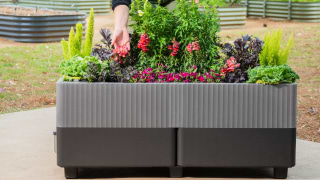
Use Raised Garden Beds to Save Space Raised garden beds , compact planters, and containers allow you to create a productive growing area almost anywhere. Raised beds are especially useful in winter because they provide control over soil quality, drainage, and planting layout.
Containers are another flexible option. Move them to follow sunlight, group them together for easier protection, or reposition them when temperatures drop.
For small spaces, prioritize containers that are wide enough for the crops you want to grow but don't unnecessarily take up too much space. Remember that smaller containers dry out and experience temperature swings faster than larger beds, so they may require more frequent monitoring.
Plan Your Layout Group plants based on their sunlight, water, and space requirements. Put taller plants toward the back or along a wall, and keep smaller leafy greens near the front where they're easy to harvest.
You can also use succession planting to make your space more productive. Rather than planting all your lettuce or radishes at once, sow small batches every couple of weeks when conditions allow. This spreads out harvests and prevents too many vegetables from maturing at the same time. And remember, for a small winter garden, harvesting regularly is just as important as planting efficiently.
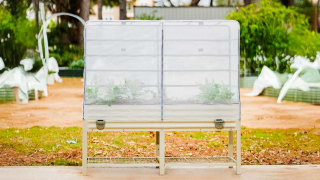
Consider a Greenhouse or Indoor Growing Setup A compact greenhouse can protect leafy greens, herbs, and other cold-tolerant crops from harsh weather while helping you extend your growing season. Even an unheated greenhouse, however, can fall below freezing during prolonged cold spells, so protection may still be necessary.
If you have little or no outdoor space, indoor growing is another option. A sunny windowsill can support herbs and some leafy greens, while a dedicated grow light can provide more consistent light for seed starting and winter vegetable production.
The best setup is the one that matches your climate and available space. A few containers under a grow light may be more productive than an outdoor garden that receives little winter sun.
Protect Your Garden From Frost Cold-hardy vegetables can tolerate frost, but prolonged freezing temperatures can still damage plants. A small garden is relatively easy to protect because you don't need to cover a large area. Depending on your climate, consider using:
Frost cloth: Provides a layer of protection during cold nights while allowing light and air through.
Mulch: Insulates the soil and helps stabilize soil temperatures.
Cold frames: Help capture solar heat and shield plants from wind and frost.
Small greenhouse : Offer a more controlled environment for extending the growing season.
Pay attention to the weather forecast and cover plants before temperatures drop. Remove or ventilate covers when daytime temperatures rise to prevent overheating and excess humidity.
Keep Winter Maintenance Simple Check soil moisture before watering. Cold weather slows plant growth and evaporation, so winter vegetables generally need less water than summer crops. However, containers and exposed raised beds can still dry out, particularly during sunny or windy periods.
Remove damaged or yellowing leaves, check for pests, and harvest regularly. Avoid fertilizing heavily when plants are growing slowly, as they may not be able to use the additional nutrients efficiently.
Frequently Asked Questions What vegetables can I grow in a small garden during winter? Lettuce, spinach, kale, arugula, radishes, green onions, and mâche are among the best choices. These crops generally require less space and tolerate cooler temperatures better than warm-season vegetables.
Can I grow vegetables on a balcony in winter? Yes. A sunny balcony can support winter vegetables in containers, particularly leafy greens and herbs. Choose sufficiently large pots, protect them from strong winds, and use frost covers when temperatures drop.
How much sunlight does a winter vegetable garden need? Aim for around 4–6 hours of direct sunlight for leafy greens, if possible. More sunlight generally improves growth, although the ideal amount varies by crop. If your outdoor space receives very little sun, supplemental grow lights can help.
Do raised garden beds work in winter? Yes. Raised beds are suitable for winter gardening because they offer good drainage and allow you to control soil conditions. However, raised bed soil can cool and freeze faster than ground soil, so mulch and frost covers can help protect roots.
Is a greenhouse necessary for winter gardening? No. Many cold-hardy vegetables can grow outdoors in suitable climates. A greenhouse is helpful when you want to protect plants from wind, rain, frost, or prolonged cold and extend your growing season.
Final Thoughts With the right crops, efficient planting arrangements, and protection from the cold, a balcony or small patio can be your source of fresh greens throughout the colder months.
Start with a few reliable crops and build around the space you already have. Once you find what grows well, you can gradually expand your winter garden without making it complicated.
Alfons C. from Vego Garden
Alfons is an experienced copywriting and marketing expert. He also managed creative campaigns for advertising agencies and renowned brands. He is a graduate of Goldsmiths College, University of London, and originally from Vancouver, Canada.
Get A 5% OFF + Free Shipping*
Be the first to know about our discounts, and get $15 off your next order of $199 + free shipping
Get Your Coupon
Please enable JavaScript to view the
comments powered by Disqus.
Alfons C. from Vego Garden
Alfons is an experienced copywriting and marketing expert. He also managed creative campaigns for advertising agencies and renowned brands. He is a graduate of Goldsmiths College, University of London, and originally from Vancouver, Canada.
Get A 5% OFF + Free Shipping*
Be the first to know about our discounts, and get $15 off your next order of $199 + free shipping
Get Your Coupon
{"39495389741091":{"discounted":true,"percent":true},"39495389773859":{"discounted":true,"percent":true},"39495389806627":{"discounted":true,"percent":true},"39495389839395":{"discounted":true,"percent":true},"39458935832611":{"discounted":true,"percent":true},"39458935767075":{"discounted":true,"percent":true},"39458935865379":{"discounted":true,"percent":true},"39458935799843":{"discounted":true,"percent":true},"39903465013283":{"discounted":true,"percent":true},"39903480250403":{"discounted":true,"percent":true},"39903467896867":{"discounted":true,"percent":true},"39903467962403":{"discounted":true,"percent":true},"39903467995171":{"discounted":true,"percent":true},"39903467929635":{"discounted":true,"percent":true},"39458936389667":{"discounted":true,"percent":true},"39458936324131":{"discounted":true,"percent":true},"39458936422435":{"discounted":true,"percent":true},"39458936356899":{"discounted":true,"percent":true},"33028107501603":{"discounted":true,"percent":true},"39279009136675":{"discounted":true,"percent":true},"39279009169443":{"discounted":true,"percent":true},"33028107534371":{"discounted":true,"percent":true},"40149904130083":{"discounted":true,"percent":true},"40157716578339":{"discounted":true,"percent":true},"40229600591907":{"discounted":true,"percent":true},"33028104650787":{"discounted":true,"percent":true},"39279430959139":{"discounted":true,"percent":true},"33028104683555":{"discounted":true,"percent":true},"39279430893603":{"discounted":true,"percent":true},"40149955215395":{"discounted":true,"percent":true},"40157728243747":{"discounted":true,"percent":true},"40231723794467":{"discounted":true,"percent":true},"39903477334051":{"discounted":true,"percent":true},"39302886096931":{"discounted":true,"percent":true},"39302886031395":{"discounted":true,"percent":true},"39302885998627":{"discounted":true,"percent":true},"39302886064163":{"discounted":true,"percent":true},"39457200799779":{"discounted":true,"percent":true},"39457200734243":{"discounted":true,"percent":true},"39457200832547":{"discounted":true,"percent":true},"39457200767011":{"discounted":true,"percent":true},"39903460065315":{"discounted":true,"percent":true},"33018842087459":{"discounted":true,"percent":true},"39279001403427":{"discounted":true,"percent":true},"33018842120227":{"discounted":true,"percent":true},"39278877605923":{"discounted":true,"percent":true},"40149905244195":{"discounted":true,"percent":true},"40157718347811":{"discounted":true,"percent":true},"39948202377251":{"discounted":true,"percent":true},"39948202410019":{"discounted":true,"percent":true},"39948202311715":{"discounted":true,"percent":true},"39948202344483":{"discounted":true,"percent":true},"39253770141731":{"discounted":true,"percent":true},"39253770174499":{"discounted":true,"percent":true},"39253770240035":{"discounted":true,"percent":true},"39253770207267":{"discounted":true,"percent":true},"39490596012067":{"discounted":true,"percent":true},"39490596044835":{"discounted":true,"percent":true},"39490595979299":{"discounted":true,"percent":true},"39490595946531":{"discounted":true,"percent":true},"40149985001507":{"discounted":true,"percent":true},"40157713072163":{"discounted":true,"percent":true},"33042263932963":{"discounted":true,"percent":true},"33042263965731":{"discounted":true,"percent":true},"39278875476003":{"discounted":true,"percent":true},"39279009792035":{"discounted":true,"percent":true},"40149988737059":{"discounted":true,"percent":true},"40157717430307":{"discounted":true,"percent":true},"40538642743331":{"discounted":true,"percent":true},"32893235068963":{"discounted":true,"percent":true},"39359510183971":{"discounted":true,"percent":true},"39359510380579":{"discounted":true,"percent":true},"39359509626915":{"discounted":true,"percent":true},"39302847758371":{"discounted":true,"percent":true},"33033504161827":{"discounted":true,"percent":true},"39302847266851":{"discounted":true,"percent":true},"39302847528995":{"discounted":true,"percent":true},"39458927509539":{"discounted":true,"percent":true},"39458927444003":{"discounted":true,"percent":true},"39458927542307":{"discounted":true,"percent":true},"39458927476771":{"discounted":true,"percent":true},"39457181958179":{"discounted":true,"percent":true},"39457181892643":{"discounted":true,"percent":true},"39457181990947":{"discounted":true,"percent":true},"39457181925411":{"discounted":true,"percent":true},"33042261409827":{"discounted":true,"percent":true},"33042261442595":{"discounted":true,"percent":true},"39279010742307":{"discounted":true,"percent":true},"39279010709539":{"discounted":true,"percent":true},"40149986869283":{"discounted":true,"percent":true},"40157715529763":{"discounted":true,"percent":true},"40538642415651":{"discounted":true,"percent":true},"33031990509603":{"discounted":true,"percent":true},"33031990542371":{"discounted":true,"percent":true},"39279016345635":{"discounted":true,"percent":true},"39279016476707":{"discounted":true,"percent":true},"40149997027363":{"discounted":true,"percent":true},"40157720936483":{"discounted":true,"percent":true},"39887154577443":{"discounted":true,"percent":true},"39593915875363":{"discounted":true,"percent":true},"39593915908131":{"discounted":true,"percent":true},"39593953296419":{"discounted":true,"percent":true},"39593953329187":{"discounted":true,"percent":true},"39612941565987":{"discounted":true,"percent":true},"39913593077795":{"discounted":true,"percent":true,"caCompareAtPrice":6895},"39913593110563":{"discounted":true,"percent":true,"caCompareAtPrice":11895},"39913593143331":{"discounted":true,"percent":true,"caCompareAtPrice":19595},"39917346193443":{"discounted":true,"percent":true,"caCompareAtPrice":31795},"39663128346659":{"discounted":true,"percent":true},"39663128379427":{"discounted":true,"percent":true},"39922332631075":{"discounted":true,"percent":true},"39922332663843":{"discounted":true,"percent":true},"39922340003875":{"discounted":true,"percent":true,"caCompareAtPrice":11095},"39922340036643":{"discounted":true,"percent":true},"39922340069411":{"discounted":true,"percent":true},"39705961496611":{"discounted":true,"percent":true,"caCompareAtPrice":4195},"39705961529379":{"discounted":true,"percent":true,"caCompareAtPrice":5595},"39705961562147":{"discounted":true,"percent":true,"caCompareAtPrice":8295},"39926582870051":{"discounted":true,"percent":true,"caCompareAtPrice":13794.999999999998},"39869961764899":{"discounted":true,"percent":true},"39869961797667":{"discounted":true,"percent":true},"39869961830435":{"discounted":true,"percent":true},"39936031031331":{"discounted":true,"percent":true},"39705945800739":{"discounted":true,"percent":true,"caCompareAtPrice":9695},"39705945767971":{"discounted":true,"percent":true,"caCompareAtPrice":6895},"39705945833507":{"discounted":true,"percent":true,"caCompareAtPrice":13794.999999999998},"39917346848803":{"discounted":true,"percent":true,"caCompareAtPrice":21995},"40006276382755":{"discounted":true,"percent":true},"40006276546595":{"discounted":true,"percent":true},"40006276775971":{"discounted":true,"percent":true},"40006276939811":{"discounted":true,"percent":true},"40024456036387":{"discounted":true,"percent":true},"40024461049891":{"discounted":true,"percent":true},"40021598797859":{"discounted":true,"percent":true},"40039271923747":{"discounted":true,"percent":true},"40039271956515":{"discounted":true,"percent":true},"40039271989283":{"discounted":true,"percent":true},"40039272022051":{"discounted":true,"percent":true},"40049744576547":{"discounted":true,"percent":true},"40049744609315":{"discounted":true,"percent":true},"40201956589603":{"discounted":true,"percent":true},"40201956622371":{"discounted":true,"percent":true},"40195291480099":{"discounted":true,"percent":true},"40202236526627":{"discounted":true,"percent":true},"40202236559395":{"discounted":true,"percent":true},"40196235591715":{"discounted":true,"percent":true},"40202232037411":{"discounted":true,"percent":true},"40202232070179":{"discounted":true,"percent":true},"40195093495843":{"discounted":true,"percent":true},"40202231152675":{"discounted":true,"percent":true},"40202231185443":{"discounted":true,"percent":true},"40195095560227":{"discounted":true,"percent":true},"40202231447587":{"discounted":true,"percent":true},"40202231480355":{"discounted":true,"percent":true},"40195099328547":{"discounted":true,"percent":true},"40202229121059":{"discounted":true,"percent":true},"40195099688995":{"discounted":true,"percent":true},"40202233937955":{"discounted":true,"percent":true},"40195346268195":{"discounted":true,"percent":true},"40202236657699":{"discounted":true,"percent":true},"40202236690467":{"discounted":true,"percent":true},"40195281846307":{"discounted":true,"percent":true},"40202235969571":{"discounted":true,"percent":true},"40202236002339":{"discounted":true,"percent":true},"40682906943523":{"discounted":true,"percent":true},"40682907009059":{"discounted":true,"percent":true},"40682906976291":{"discounted":true,"percent":true},"40233730211875":{"discounted":true,"percent":true},"40233733259299":{"discounted":true,"percent":true},"40233729851427":{"discounted":true,"percent":true},"40233700491299":{"discounted":true,"percent":true},"40233701376035":{"discounted":true,"percent":true},"40233729753123":{"discounted":true,"percent":true},"40227788619811":{"discounted":true,"percent":true},"40233730801699":{"discounted":true,"percent":true},"40233696165923":{"discounted":true,"percent":true},"40233691807779":{"discounted":true,"percent":true},"40233733750819":{"discounted":true,"percent":true},"40233731817507":{"discounted":true,"percent":true},"40233730277411":{"discounted":true,"percent":true},"40233734209571":{"discounted":true,"percent":true},"40233730768931":{"discounted":true,"percent":true},"40233733685283":{"discounted":true,"percent":true},"40233733554211":{"discounted":true,"percent":true},"40233782771747":{"discounted":true,"percent":true},"40233733062691":{"discounted":true,"percent":true},"40233722839075":{"discounted":true,"percent":true},"40233732341795":{"discounted":true,"percent":true},"40233782804515":{"discounted":true,"percent":true},"40233745481763":{"discounted":true,"percent":true},"40233782706211":{"discounted":true,"percent":true},"40233776906275":{"discounted":true,"percent":true},"40233737584675":{"discounted":true,"percent":true},"40233779920931":{"discounted":true,"percent":true},"40233701146659":{"discounted":true,"percent":true},"40233730965539":{"discounted":true,"percent":true},"40233733914659":{"discounted":true,"percent":true},"40233698492451":{"discounted":true,"percent":true},"40233720774691":{"discounted":true,"percent":true},"40233698164771":{"discounted":true,"percent":true},"40233707372579":{"discounted":true,"percent":true},"40233730506787":{"discounted":true,"percent":true},"40186969849891":{"discounted":true,"percent":true,"caCompareAtPrice":6895},"40186969882659":{"discounted":true,"percent":true,"caCompareAtPrice":9695},"40186969915427":{"discounted":true,"percent":true,"caCompareAtPrice":12395},"40186969948195":{"discounted":true,"percent":true,"caCompareAtPrice":15194.999999999998},"39647044567075":{"discounted":true,"percent":true},"39647044599843":{"discounted":true,"percent":true},"40189384491043":{"discounted":true,"percent":true},"40189384523811":{"discounted":true,"percent":true},"40189384556579":{"discounted":true,"percent":true},"40189384589347":{"discounted":true,"percent":true},"40209225613347":{"discounted":true,"percent":true,"caCompareAtPrice":5595},"40251254702115":{"discounted":true,"percent":true},"40251276525603":{"discounted":true,"percent":true},"40251255128099":{"discounted":true,"percent":true},"40251276197923":{"discounted":true,"percent":true},"40251255160867":{"discounted":true,"percent":true},"40251276230691":{"discounted":true,"percent":true},"40251255193635":{"discounted":true,"percent":true},"40251276263459":{"discounted":true,"percent":true},"40246461792291":{"discounted":true,"percent":true},"40246461759523":{"discounted":true,"percent":true},"40327621640227":{"discounted":true,"percent":true},"40329419194403":{"discounted":true,"percent":true},"40329419227171":{"discounted":true,"percent":true},"40329419259939":{"discounted":true,"percent":true},"40327767064611":{"discounted":true,"percent":true},"40313739903011":{"discounted":true,"percent":true},"40313740165155":{"discounted":true,"percent":true},"40313740197923":{"discounted":true,"percent":true},"40313730367523":{"discounted":true,"percent":true},"40313730498595":{"discounted":true,"percent":true},"40313739411491":{"discounted":true,"percent":true},"40313739444259":{"discounted":true,"percent":true},"40328147238947":{"discounted":true,"percent":true},"40328129282083":{"discounted":true,"percent":true},"40328147075107":{"discounted":true,"percent":true},"40328146747427":{"discounted":true,"percent":true},"40376049893411":{"discounted":true,"percent":true},"40376049926179":{"discounted":true,"percent":true},"40376049958947":{"discounted":true,"percent":true},"40331197972515":{"discounted":true,"percent":true},"40376060149795":{"discounted":true,"percent":true},"40331071422499":{"discounted":true,"percent":true},"40092513566755":{"discounted":true,"percent":true},"40446144512035":{"discounted":true,"percent":true},"40446144544803":{"discounted":true,"percent":true},"40446144577571":{"discounted":true,"percent":true},"40446144610339":{"discounted":true,"percent":true},"40446144643107":{"discounted":true,"percent":true},"40446144675875":{"discounted":true,"percent":true},"40446145757219":{"discounted":true,"percent":true},"40446146412579":{"discounted":true,"percent":true},"40446145298467":{"discounted":true,"percent":true},"40453863473187":{"discounted":true,"percent":true},"40295020199971":{"discounted":true,"percent":true},"40454193971235":{"discounted":true,"percent":true},"40454190759971":{"discounted":true,"percent":true},"40481364148259":{"discounted":true,"percent":true},"40481363853347":{"discounted":true,"percent":true},"40481363755043":{"discounted":true,"percent":true},"40481362837539":{"discounted":true,"percent":true},"40481363623971":{"discounted":true,"percent":true},"40481363460131":{"discounted":true,"percent":true},"40481363132451":{"discounted":true,"percent":true},"40481363394595":{"discounted":true,"percent":true},"40481363066915":{"discounted":true,"percent":true},"40481362739235":{"discounted":true,"percent":true},"40481363230755":{"discounted":true,"percent":true},"40481363296291":{"discounted":true,"percent":true},"40481362935843":{"discounted":true,"percent":true},"40481362149411":{"discounted":true,"percent":true},"40481363787811":{"discounted":true,"percent":true},"40481363492899":{"discounted":true,"percent":true},"40481363427363":{"discounted":true,"percent":true},"40481363558435":{"discounted":true,"percent":true},"40481363165219":{"discounted":true,"percent":true},"40481363001379":{"discounted":true,"percent":true},"40481363099683":{"discounted":true,"percent":true},"40481363263523":{"discounted":true,"percent":true},"40481362673699":{"discounted":true,"percent":true},"40481362608163":{"discounted":true,"percent":true},"40481363034147":{"discounted":true,"percent":true},"40481362477091":{"discounted":true,"percent":true},"40481362542627":{"discounted":true,"percent":true},"40481362870307":{"discounted":true,"percent":true},"40481362575395":{"discounted":true,"percent":true},"40481362903075":{"discounted":true,"percent":true},"40481362378787":{"discounted":true,"percent":true},"40481362411555":{"discounted":true,"percent":true},"40481362772003":{"discounted":true,"percent":true},"40481362116643":{"discounted":true,"percent":true},"40481362804771":{"discounted":true,"percent":true},"40481363197987":{"discounted":true,"percent":true},"40481363361827":{"discounted":true,"percent":true},"40481362247715":{"discounted":true,"percent":true},"40481362346019":{"discounted":true,"percent":true},"40481362509859":{"discounted":true,"percent":true},"40481362083875":{"discounted":true,"percent":true},"40481362018339":{"discounted":true,"percent":true},"40481362051107":{"discounted":true,"percent":true},"40481362182179":{"discounted":true,"percent":true},"40481362280483":{"discounted":true,"percent":true},"40481361756195":{"discounted":true,"percent":true},"40481361985571":{"discounted":true,"percent":true},"40481361952803":{"discounted":true,"percent":true},"40481361920035":{"discounted":true,"percent":true},"40481361854499":{"discounted":true,"percent":true},"40481361821731":{"discounted":true,"percent":true},"40481361625123":{"discounted":true,"percent":true},"40481361887267":{"discounted":true,"percent":true},"40481361690659":{"discounted":true,"percent":true},"40481361723427":{"discounted":true,"percent":true},"40481361526819":{"discounted":true,"percent":true},"39567814754339":{"discounted":true,"percent":true},"39567814688803":{"discounted":true,"percent":true},"39567814623267":{"discounted":true,"percent":true},"39567814557731":{"discounted":true,"percent":true},"39567814721571":{"discounted":true,"percent":true},"39567814656035":{"discounted":true,"percent":true},"39567814590499":{"discounted":true,"percent":true},"39567814524963":{"discounted":true,"percent":true},"40186969653283":{"discounted":true,"percent":true},"40186969686051":{"discounted":true,"percent":true},"39567815409699":{"discounted":true,"percent":true},"40135922253859":{"discounted":true,"percent":true},"39567815475235":{"discounted":true,"percent":true},"39567815737379":{"discounted":true,"percent":true},"39567815573539":{"discounted":true,"percent":true},"39567815376931":{"discounted":true,"percent":true},"39567815540771":{"discounted":true,"percent":true},"39567815639075":{"discounted":true,"percent":true},"39567815606307":{"discounted":true,"percent":true},"39567815704611":{"discounted":true,"percent":true},"39567815508003":{"discounted":true,"percent":true},"39567815671843":{"discounted":true,"percent":true},"39567815442467":{"discounted":true,"percent":true},"39569217355811":{"discounted":true,"percent":true},"40313706414115":{"discounted":true,"percent":true},"40497627332643":{"discounted":true,"percent":true},"40313682395171":{"discounted":true,"percent":true},"40497627365411":{"discounted":true,"percent":true},"40313706381347":{"discounted":true,"percent":true},"40497627398179":{"discounted":true,"percent":true},"40561018994723":{"discounted":true,"percent":true},"40561019027491":{"discounted":true,"percent":true},"40561019060259":{"discounted":true,"percent":true},"40313682591779":{"discounted":true,"percent":true},"40497628184611":{"discounted":true,"percent":true},"40313682296867":{"discounted":true,"percent":true},"40497628217379":{"discounted":true,"percent":true},"40313682559011":{"discounted":true,"percent":true},"40497628250147":{"discounted":true,"percent":true},"40561019551779":{"discounted":true,"percent":true},"40561019584547":{"discounted":true,"percent":true},"40561019617315":{"discounted":true,"percent":true},"40503763370019":{"discounted":true,"percent":true},"40503763435555":{"discounted":true,"percent":true},"40503772610595":{"discounted":true,"percent":true},"40503766024227":{"discounted":true,"percent":true},"40837297242147":{"discounted":true,"percent":true},"40837297274915":{"discounted":true,"percent":true},"40837297307683":{"discounted":true,"percent":true},"40837297340451":{"discounted":true,"percent":true},"40837297373219":{"discounted":true,"percent":true},"40837297405987":{"discounted":true,"percent":true},"40503797743651":{"discounted":true,"percent":true},"40503800135715":{"discounted":true,"percent":true},"40516735467555":{"discounted":true,"percent":true},"40516658266147":{"discounted":true,"percent":true},"40516558389283":{"discounted":true,"percent":true},"40516773576739":{"discounted":true,"percent":true},"40837258412067":{"discounted":true,"percent":true},"40837258444835":{"discounted":true,"percent":true},"40837258477603":{"discounted":true,"percent":true},"40837258510371":{"discounted":true,"percent":true},"40837258543139":{"discounted":true,"percent":true},"40837258575907":{"discounted":true,"percent":true},"40837258608675":{"discounted":true,"percent":true},"40837258641443":{"discounted":true,"percent":true},"40837258674211":{"discounted":true,"percent":true},"40519099252771":{"discounted":true,"percent":true},"40528983392291":{"discounted":true,"percent":true},"40528983425059":{"discounted":true,"percent":true},"40528983457827":{"discounted":true,"percent":true},"40528983490595":{"discounted":true,"percent":true},"40528983523363":{"discounted":true,"percent":true},"40528983556131":{"discounted":true,"percent":true},"40528983588899":{"discounted":true,"percent":true},"40528983621667":{"discounted":true,"percent":true},"40528983654435":{"discounted":true,"percent":true},"39900463038499":{"discounted":true,"percent":true},"39900463005731":{"discounted":true,"percent":true},"40169091399715":{"discounted":true,"percent":true},"40169091596323":{"discounted":true,"percent":true},"40169091432483":{"discounted":true,"percent":true},"40169091465251":{"discounted":true,"percent":true},"40169091498019":{"discounted":true,"percent":true},"40169091530787":{"discounted":true,"percent":true},"40169091563555":{"discounted":true,"percent":true},"40134039535651":{"discounted":true,"percent":true},"40134039568419":{"discounted":true,"percent":true},"40134039601187":{"discounted":true,"percent":true},"40134039633955":{"discounted":true,"percent":true},"40134039666723":{"discounted":true,"percent":true},"40134039699491":{"discounted":true,"percent":true},"40134039732259":{"discounted":true,"percent":true},"40134039765027":{"discounted":true,"percent":true},"40134039797795":{"discounted":true,"percent":true},"40134039830563":{"discounted":true,"percent":true},"40134039863331":{"discounted":true,"percent":true},"40134039896099":{"discounted":true,"percent":true},"40134039928867":{"discounted":true,"percent":true},"40528971399203":{"discounted":true,"percent":true},"40468308459555":{"discounted":true,"percent":true},"40528971431971":{"discounted":true,"percent":true},"40528971464739":{"discounted":true,"percent":true},"40528971497507":{"discounted":true,"percent":true},"40528971530275":{"discounted":true,"percent":true},"40528971563043":{"discounted":true,"percent":true},"40528971595811":{"discounted":true,"percent":true},"40528971628579":{"discounted":true,"percent":true},"40549336219683":{"discounted":true,"percent":true},"40549336252451":{"discounted":true,"percent":true},"40549336285219":{"discounted":true,"percent":true},"40549336317987":{"discounted":true,"percent":true},"40549378818083":{"discounted":true,"percent":true},"40549378850851":{"discounted":true,"percent":true},"40549378883619":{"discounted":true,"percent":true},"40549372657699":{"discounted":true,"percent":true},"40549372690467":{"discounted":true,"percent":true},"40549372723235":{"discounted":true,"percent":true},"40443932246051":{"discounted":true,"percent":true},"40443932278819":{"discounted":true,"percent":true},"40443932311587":{"discounted":true,"percent":true},"40443932344355":{"discounted":true,"percent":true},"40443932377123":{"discounted":true,"percent":true},"40443932409891":{"discounted":true,"percent":true},"40443932442659":{"discounted":true,"percent":true},"40170791239715":{"discounted":true,"percent":true},"40411875770403":{"discounted":true,"percent":true},"40330991534115":{"discounted":true,"percent":true},"40558101069859":{"discounted":true,"percent":true},"40558101102627":{"discounted":true,"percent":true},"40558092910627":{"discounted":true,"percent":true},"40558092943395":{"discounted":true,"percent":true},"40558403813411":{"discounted":true,"percent":true},"40557999259683":{"discounted":true,"percent":true},"40557999292451":{"discounted":true,"percent":true},"40558401028131":{"discounted":true,"percent":true},"40558003453987":{"discounted":true,"percent":true},"40558003486755":{"discounted":true,"percent":true},"40558000570403":{"discounted":true,"percent":true},"40558000603171":{"discounted":true,"percent":true},"40558401585187":{"discounted":true,"percent":true},"40558002896931":{"discounted":true,"percent":true},"40558002929699":{"discounted":true,"percent":true},"40558402306083":{"discounted":true,"percent":true},"40561551474723":{"discounted":true,"percent":true},"40561551507491":{"discounted":true,"percent":true},"40561551540259":{"discounted":true,"percent":true},"40561551573027":{"discounted":true,"percent":true},"40561551605795":{"discounted":true,"percent":true},"40561551638563":{"discounted":true,"percent":true},"40561553047587":{"discounted":true,"percent":true},"40561553080355":{"discounted":true,"percent":true},"40561553113123":{"discounted":true,"percent":true},"40561553145891":{"discounted":true,"percent":true},"40561553178659":{"discounted":true,"percent":true},"40561553211427":{"discounted":true,"percent":true},"40561568907299":{"discounted":true,"percent":true},"40561568940067":{"discounted":true,"percent":true},"40561568972835":{"discounted":true,"percent":true},"40561569005603":{"discounted":true,"percent":true},"40561569038371":{"discounted":true,"percent":true},"40561569071139":{"discounted":true,"percent":true},"40563230277667":{"discounted":true,"percent":true},"40563230310435":{"discounted":true,"percent":true},"40565181120547":{"discounted":true,"percent":true},"40565181153315":{"discounted":true,"percent":true},"40565181186083":{"discounted":true,"percent":true},"40565200617507":{"discounted":true,"percent":true},"40565200650275":{"discounted":true,"percent":true},"40565200683043":{"discounted":true,"percent":true},"40565234008099":{"discounted":true,"percent":true},"40565234040867":{"discounted":true,"percent":true},"40565234073635":{"discounted":true,"percent":true},"40565244035107":{"discounted":true,"percent":true},"40565244067875":{"discounted":true,"percent":true},"40565244100643":{"discounted":true,"percent":true},"40575683362851":{"discounted":true,"percent":true},"40579370188835":{"discounted":true},"40575663898659":{"discounted":true,"percent":true},"40579374415907":{"discounted":true,"percent":true},"40769353809955":{"discounted":true,"percent":true},"40582727073827":{"discounted":true,"percent":true},"40582727106595":{"discounted":true,"percent":true},"40769354760227":{"discounted":true,"percent":true},"40585940041763":{"discounted":true,"percent":true},"40585940074531":{"discounted":true,"percent":true},"40770454126627":{"discounted":true,"percent":true},"40770454159395":{"discounted":true,"percent":true},"40837276827683":{"discounted":true,"percent":true},"40837276860451":{"discounted":true,"percent":true},"40837276893219":{"discounted":true,"percent":true},"40837276925987":{"discounted":true,"percent":true},"40837276958755":{"discounted":true,"percent":true},"40837276991523":{"discounted":true,"percent":true},"40837277024291":{"discounted":true,"percent":true},"40837277057059":{"discounted":true,"percent":true},"40837277089827":{"discounted":true,"percent":true},"40600751374371":{"discounted":true,"percent":true},"40600751407139":{"discounted":true,"percent":true},"40577987444771":{"discounted":true,"percent":true},"40577987412003":{"discounted":true,"percent":true},"40577987346467":{"discounted":true,"percent":true},"40577987510307":{"discounted":true,"percent":true},"40577987379235":{"discounted":true,"percent":true},"40577987477539":{"discounted":true,"percent":true},"40575684771875":{"discounted":true,"percent":true},"40575684083747":{"discounted":true},"40575684116515":{"discounted":true},"40575686115363":{"discounted":true,"percent":true},"40575684902947":{"discounted":true,"percent":true},"40575684968483":{"discounted":true,"percent":true},"40624748527651":{"discounted":true,"percent":true},"40624748560419":{"discounted":true,"percent":true},"40623599976483":{"discounted":true,"percent":true},"40623600009251":{"discounted":true,"percent":true},"40623600042019":{"discounted":true,"percent":true},"40623600074787":{"discounted":true,"percent":true},"40603450048547":{"discounted":true,"percent":true},"40603450081315":{"discounted":true,"percent":true},"40603450114083":{"discounted":true,"percent":true},"40632770887715":{"discounted":true},"40632770920483":{"discounted":true},"40632770953251":{"discounted":true},"40632776785955":{"discounted":true},"40632776851491":{"discounted":true},"40632776917027":{"discounted":true},"41890808201251":{"discounted":true},"41890808234019":{"discounted":true},"41890808266787":{"discounted":true},"40674028159011":{"discounted":true},"40674028191779":{"discounted":true},"40674588459043":{"discounted":true},"40674588491811":{"discounted":true},"40674028814371":{"discounted":true},"40674028847139":{"discounted":true},"40674588819491":{"discounted":true},"40674588852259":{"discounted":true},"40674511257635":{"discounted":true},"40674511290403":{"discounted":true},"40674511323171":{"discounted":true},"40674511355939":{"discounted":true},"40674512240675":{"discounted":true},"40674512273443":{"discounted":true},"40674512306211":{"discounted":true},"40674512338979":{"discounted":true},"40482229747747":{"discounted":true},"40696809914403":{"discounted":true},"40700910632995":{"discounted":true},"40700910665763":{"discounted":true},"40700910698531":{"discounted":true},"40700910731299":{"discounted":true},"40700910764067":{"discounted":true},"40700910796835":{"discounted":true},"40700901687331":{"discounted":true},"40700901720099":{"discounted":true},"40707472588835":{"discounted":true},"40707472982051":{"discounted":true},"40706641362979":{"discounted":true},"40721328013347":{"discounted":true},"40713409396771":{"discounted":true},"40713409429539":{"discounted":true},"40724032421923":{"discounted":true},"40724032454691":{"discounted":true},"40724032487459":{"discounted":true},"40724020068387":{"discounted":true},"40724020101155":{"discounted":true},"40734272094243":{"discounted":true},"40734272127011":{"discounted":true},"40734272258083":{"discounted":true},"40734272323619":{"discounted":true},"40734272389155":{"discounted":true},"40740311695395":{"discounted":true},"40740311728163":{"discounted":true},"40740035330083":{"discounted":true},"40740035362851":{"discounted":true},"40740035395619":{"discounted":true},"40740022124579":{"discounted":true,"percent":true},"40740022157347":{"discounted":true,"percent":true},"40740022190115":{"discounted":true,"percent":true},"40740022222883":{"discounted":true,"percent":true},"40740022255651":{"discounted":true,"percent":true},"40740022288419":{"discounted":true,"percent":true},"40740016554019":{"discounted":true},"40740007182371":{"discounted":true},"40740007215139":{"discounted":true},"40740007247907":{"discounted":true},"40740007280675":{"discounted":true},"40739982180387":{"discounted":true,"percent":true},"40739982213155":{"discounted":true,"percent":true},"40739982245923":{"discounted":true,"percent":true},"40739982311459":{"discounted":true,"percent":true},"40739974414371":{"discounted":true},"40744601878563":{"discounted":true},"40744601911331":{"discounted":true},"40744601944099":{"discounted":true},"40739965370403":{"discounted":true},"40739943874595":{"discounted":true},"40739943907363":{"discounted":true},"40739912220707":{"discounted":true},"40739912253475":{"discounted":true},"40739912286243":{"discounted":true},"40739912319011":{"discounted":true},"40739912351779":{"discounted":true},"40739912384547":{"discounted":true},"40739912417315":{"discounted":true},"40739888529443":{"discounted":true},"40738045657123":{"discounted":true},"40738045689891":{"discounted":true,"caCompareAtPrice":56195.00000000001},"40738045722659":{"discounted":true},"40746867654691":{"discounted":true},"40746867687459":{"discounted":true},"40746867720227":{"discounted":true},"40746867752995":{"discounted":true},"40749252378659":{"discounted":true},"40749308543011":{"discounted":true},"40749726498851":{"discounted":true},"40749727154211":{"discounted":true},"40749728301091":{"discounted":true},"40752536944675":{"discounted":true},"40752536977443":{"discounted":true},"40752537075747":{"discounted":true},"40752537010211":{"discounted":true},"40752554475555":{"discounted":true},"40752537042979":{"discounted":true},"40752526884899":{"discounted":true},"40752526917667":{"discounted":true},"40753362370595":{"discounted":true},"40753362403363":{"discounted":true},"40753362436131":{"discounted":true},"40753362468899":{"discounted":true},"40761031950371":{"discounted":true},"40760981389347":{"discounted":true},"40731163394083":{"discounted":true},"40751841050659":{"discounted":true},"40766173249571":{"discounted":true},"40767208226851":{"discounted":true},"40767208259619":{"discounted":true},"40767208292387":{"discounted":true},"40760982765603":{"discounted":true},"40771181772835":{"discounted":true},"40771256057891":{"discounted":true},"40837297668131":{"discounted":true},"40837297700899":{"discounted":true},"40837297733667":{"discounted":true},"40837297766435":{"discounted":true},"40775268040739":{"discounted":true},"40775799767075":{"discounted":true},"40775879950371":{"discounted":true},"40771053223971":{"discounted":true},"40782894923811":{"discounted":true},"40782903279651":{"discounted":true},"40782908489763":{"discounted":true},"40782912651299":{"discounted":true},"40782913241123":{"discounted":true},"40782914027555":{"discounted":true},"40782914682915":{"discounted":true},"40782915600419":{"discounted":true},"40782915764259":{"discounted":true},"40783640985635":{"discounted":true},"40181956116515":{"discounted":true},"40794599358499":{"discounted":true},"40801300414499":{"discounted":true},"40801300447267":{"discounted":true},"40801300480035":{"discounted":true},"40804272046115":{"discounted":true},"40804272078883":{"discounted":true},"40804272111651":{"discounted":true},"40804272275491":{"discounted":true},"40804272308259":{"discounted":true},"40804272341027":{"discounted":true},"40804272472099":{"discounted":true},"40804272504867":{"discounted":true},"40804272537635":{"discounted":true},"40804269981731":{"discounted":true},"40804271489059":{"discounted":true},"40804385685539":{"discounted":true},"40804385718307":{"discounted":true},"40804385751075":{"discounted":true},"40805784748067":{"discounted":true},"40805784780835":{"discounted":true},"40805784682531":{"discounted":true},"40805784715299":{"discounted":true},"40804266082339":{"discounted":true},"40804266115107":{"discounted":true},"40804266147875":{"discounted":true},"40804266180643":{"discounted":true},"40805366431779":{"discounted":true},"40805281136675":{"discounted":true},"40809607790627":{"discounted":true,"percent":true},"40809607823395":{"discounted":true,"percent":true},"40809607856163":{"discounted":true,"percent":true},"40809614409763":{"discounted":true,"percent":true},"40809614442531":{"discounted":true,"percent":true},"40809614475299":{"discounted":true,"percent":true},"40809617293347":{"discounted":true,"percent":true},"40809617326115":{"discounted":true,"percent":true},"40809617358883":{"discounted":true,"percent":true},"40809617817635":{"discounted":true,"percent":true},"40809617850403":{"discounted":true,"percent":true},"40809617883171":{"discounted":true,"percent":true},"40809675751459":{"discounted":true,"percent":true},"40809675784227":{"discounted":true,"percent":true},"40809675816995":{"discounted":true,"percent":true},"40809674932259":{"discounted":true,"percent":true},"40809674965027":{"discounted":true,"percent":true},"40809674997795":{"discounted":true,"percent":true},"40809674833955":{"discounted":true,"percent":true},"40809674866723":{"discounted":true,"percent":true},"40809674899491":{"discounted":true,"percent":true},"40727616716835":{"discounted":true},"40727616749603":{"discounted":true},"40782413103139":{"discounted":true},"40782413135907":{"discounted":true},"40806981992483":{"discounted":true},"40806982025251":{"discounted":true},"40782455570467":{"discounted":true},"40782455603235":{"discounted":true},"40782463303715":{"discounted":true},"40782463336483":{"discounted":true},"40806983073827":{"discounted":true},"40806983106595":{"discounted":true},"40747673255971":{"discounted":true},"40747673288739":{"discounted":true},"40806983237667":{"discounted":true},"40806983270435":{"discounted":true},"40806984351779":{"discounted":true},"40806984384547":{"discounted":true},"40806984744995":{"discounted":true},"40806984777763":{"discounted":true},"40510812749859":{"discounted":true},"40510812782627":{"discounted":true},"40510812815395":{"discounted":true},"40785685217315":{"discounted":true},"40785685250083":{"discounted":true},"40510811668515":{"discounted":true},"40510811701283":{"discounted":true},"40510811734051":{"discounted":true},"40510811766819":{"discounted":true},"40748790054947":{"discounted":true},"40748790087715":{"discounted":true},"40806985826339":{"discounted":true},"40806985859107":{"discounted":true},"40733104209955":{"discounted":true},"40510808129571":{"discounted":true},"40510808588323":{"discounted":true},"40510809014307":{"discounted":true},"40785685413923":{"discounted":true},"40785685446691":{"discounted":true},"40481363591203":{"discounted":true},"40481363656739":{"discounted":true},"40481363689507":{"discounted":true},"40785741676579":{"discounted":true},"40785741709347":{"discounted":true},"40801550794787":{"discounted":true},"40806987071523":{"discounted":true},"40806987104291":{"discounted":true},"40785889820707":{"discounted":true},"40785889853475":{"discounted":true},"40727440883747":{"discounted":true},"40727440916515":{"discounted":true},"40806988021795":{"discounted":true},"40806988054563":{"discounted":true},"40785923244067":{"discounted":true},"40785923276835":{"discounted":true},"40806988972067":{"discounted":true},"40806989004835":{"discounted":true},"40786193481763":{"discounted":true},"40786193514531":{"discounted":true},"40750153334819":{"discounted":true},"40786238898211":{"discounted":true},"40786238930979":{"discounted":true},"40805535350819":{"discounted":true},"40805535383587":{"discounted":true},"40786246369315":{"discounted":true},"40786246402083":{"discounted":true},"40786247548963":{"discounted":true},"40786247581731":{"discounted":true},"40786248695843":{"discounted":true},"40786248728611":{"discounted":true},"40807051198499":{"discounted":true},"40807051231267":{"discounted":true},"40775664205859":{"discounted":true},"40775664238627":{"discounted":true},"40775664271395":{"discounted":true},"40775664304163":{"discounted":true},"40775664336931":{"discounted":true},"40775664369699":{"discounted":true},"40775664402467":{"discounted":true},"40775664435235":{"discounted":true},"40775664468003":{"discounted":true},"40775664500771":{"discounted":true},"40775664533539":{"discounted":true},"40775664566307":{"discounted":true},"40775664599075":{"discounted":true},"40775664631843":{"discounted":true},"40775664664611":{"discounted":true},"40775664697379":{"discounted":true},"40733132652579":{"discounted":true},"40727608393763":{"discounted":true},"40805549375523":{"discounted":true},"40805549408291":{"discounted":true},"40807052017699":{"discounted":true},"40807052050467":{"discounted":true},"40727616520227":{"discounted":true},"40727616552995":{"discounted":true},"40510808686627":{"discounted":true},"40510809210915":{"discounted":true},"40510813175843":{"discounted":true},"40510813208611":{"discounted":true},"40510813241379":{"discounted":true},"40510813274147":{"discounted":true},"40510813306915":{"discounted":true},"40510813339683":{"discounted":true},"40510813372451":{"discounted":true},"40510813405219":{"discounted":true},"40510813437987":{"discounted":true},"40764371370019":{"discounted":true},"40785983406115":{"discounted":true},"40785983438883":{"discounted":true},"40510809374755":{"discounted":true},"40510809735203":{"discounted":true},"40510809964579":{"discounted":true},"40510810226723":{"discounted":true},"40510807867427":{"discounted":true},"40510808457251":{"discounted":true},"40727617273891":{"discounted":true},"40727617306659":{"discounted":true},"40727617339427":{"discounted":true},"40805636014115":{"discounted":true},"40510808326179":{"discounted":true},"40785687740451":{"discounted":true},"40785687773219":{"discounted":true},"40774221103139":{"discounted":true},"40750144618531":{"discounted":true},"40750144651299":{"discounted":true},"40750144684067":{"discounted":true},"40750144716835":{"discounted":true},"40510809178147":{"discounted":true},"40510809669667":{"discounted":true},"40510809833507":{"discounted":true},"40510810128419":{"discounted":true},"40811218075683":{"discounted":true},"40818757468195":{"discounted":true},"40834391867427":{"discounted":true},"40834391900195":{"discounted":true},"40832499515427":{"discounted":true},"40832499548195":{"discounted":true},"40832499580963":{"discounted":true},"40832517734435":{"discounted":true},"40832517767203":{"discounted":true},"40832517799971":{"discounted":true},"40832545554467":{"discounted":true},"40832545587235":{"discounted":true},"40832545620003":{"discounted":true},"40832782434339":{"discounted":true},"40832782467107":{"discounted":true},"40832782499875":{"discounted":true},"40832787873827":{"discounted":true},"40832787906595":{"discounted":true},"40832787939363":{"discounted":true},"40832801210403":{"discounted":true},"40832801243171":{"discounted":true},"40832801275939":{"discounted":true},"40848002023459":{"discounted":true},"40848002056227":{"discounted":true},"40847383822371":{"discounted":true},"40849051156515":{"discounted":true},"40849064984611":{"discounted":true},"40849065017379":{"discounted":true},"40849065050147":{"discounted":true},"40849066852387":{"discounted":true},"40849066885155":{"discounted":true},"40849066917923":{"discounted":true},"40853418541091":{"discounted":true},"40853418573859":{"discounted":true},"40853418606627":{"discounted":true},"40853673017379":{"discounted":true},"40854375530531":{"discounted":true},"40859672281123":{"discounted":true},"40859672313891":{"discounted":true},"40860257419299":{"discounted":true},"40860257452067":{"discounted":true},"40860254765091":{"discounted":true},"40860254797859":{"discounted":true},"40862897078307":{"discounted":true},"40863823626275":{"discounted":true},"40863823659043":{"discounted":true},"40865115275299":{"discounted":true},"40865115308067":{"discounted":true},"40850585387043":{"discounted":true},"40867956752419":{"discounted":true},"40863858851875":{"discounted":true},"40863857639459":{"discounted":true},"40865140834339":{"discounted":true},"40865931722787":{"discounted":true},"40865931755555":{"discounted":true},"40865931788323":{"discounted":true},"40866886844451":{"discounted":true},"40866886877219":{"discounted":true},"40870729089059":{"discounted":true},"40870729121827":{"discounted":true},"40870729154595":{"discounted":true},"40870729449507":{"discounted":true},"40870729482275":{"discounted":true},"40870729515043":{"discounted":true},"40870734954531":{"discounted":true},"40870735347747":{"discounted":true},"40870736691235":{"discounted":true},"40870737543203":{"discounted":true},"40870737870883":{"discounted":true},"40870738591779":{"discounted":true},"40202231873571":{"discounted":true},"40195260317731":{"discounted":true},"40202231906339":{"discounted":true},"40202233151523":{"discounted":true},"40195100639267":{"discounted":true},"40202233184291":{"discounted":true},"40481362640931":{"discounted":true},"40774788612131":{"discounted":true},"40774788644899":{"discounted":true},"40774788677667":{"discounted":true},"40879068971043":{"discounted":true},"40879209644067":{"discounted":true},"40879209676835":{"discounted":true},"40879209709603":{"discounted":true},"40879209742371":{"discounted":true},"40879211020323":{"discounted":true},"40879211053091":{"discounted":true},"40879211085859":{"discounted":true},"40879211118627":{"discounted":true},"40879766241315":{"discounted":true},"40879788982307":{"discounted":true},"40879793504291":{"discounted":true},"40879874572323":{"discounted":true},"40879876374563":{"discounted":true},"40879873392675":{"discounted":true},"40879873720355":{"discounted":true},"40879873982499":{"discounted":true},"40879876767779":{"discounted":true},"40373521416227":{"discounted":true},"39287961583651":{"discounted":true},"39760105111587":{"discounted":true},"39509890990115":{"discounted":true},"39509891022883":{"discounted":true},"40373521383459":{"discounted":true},"39287961550883":{"discounted":true},"39760104685603":{"discounted":true},"39509890826275":{"discounted":true},"39509890859043":{"discounted":true},"40373521448995":{"discounted":true},"39287961616419":{"discounted":true},"39760105439267":{"discounted":true},"39509891153955":{"discounted":true},"39509891186723":{"discounted":true},"40373521481763":{"discounted":true},"39287961649187":{"discounted":true},"39760105570339":{"discounted":true},"39509891317795":{"discounted":true},"39509891350563":{"discounted":true},"32893193289763":{"discounted":true},"33033675964451":{"discounted":true},"32893193322531":{"discounted":true},"33033675669539":{"discounted":true},"39266081439779":{"discounted":true},"32893193355299":{"discounted":true},"40461105692707":{"discounted":true},"39904164216867":{"discounted":true},"39904164511779":{"discounted":true},"39904164249635":{"discounted":true},"39904164282403":{"discounted":true},"40461105725475":{"discounted":true},"39904164085795":{"discounted":true},"39904164118563":{"discounted":true},"39904164151331":{"discounted":true},"39904164184099":{"discounted":true},"40461105823779":{"discounted":true},"39904164315171":{"discounted":true},"39904164544547":{"discounted":true},"39904164347939":{"discounted":true},"39904164380707":{"discounted":true},"40461105758243":{"discounted":true},"39904164413475":{"discounted":true},"39904164577315":{"discounted":true},"39904164446243":{"discounted":true},"39904164479011":{"discounted":true},"40880697049123":{"discounted":true},"39904158023715":{"discounted":true},"39904158318627":{"discounted":true},"39904158056483":{"discounted":true},"39904158089251":{"discounted":true},"40880697081891":{"discounted":true},"39904157892643":{"discounted":true},"39904157925411":{"discounted":true},"39904157958179":{"discounted":true},"39904157990947":{"discounted":true},"40880697114659":{"discounted":true},"39904158122019":{"discounted":true},"39904158351395":{"discounted":true},"39904158154787":{"discounted":true},"39904158187555":{"discounted":true},"40880697147427":{"discounted":true},"39904158220323":{"discounted":true},"39904158384163":{"discounted":true},"39904158253091":{"discounted":true},"39904158285859":{"discounted":true},"40879076016163":{"discounted":true},"40879076048931":{"discounted":true},"40879076081699":{"discounted":true},"40879076114467":{"discounted":true},"40897879343139":{"discounted":true},"40897879375907":{"discounted":true},"40898729115683":{"discounted":true},"40898729148451":{"discounted":true},"40898727837731":{"discounted":true},"40898727870499":{"discounted":true},"40898727903267":{"discounted":true},"40898727936035":{"discounted":true},"40898727116835":{"discounted":true},"40898727149603":{"discounted":true},"40898727182371":{"discounted":true},"40898727215139":{"discounted":true},"40898727247907":{"discounted":true},"40898727280675":{"discounted":true},"40898727313443":{"discounted":true},"40898726854691":{"discounted":true},"40898726887459":{"discounted":true},"40898726363171":{"discounted":true},"40898723512355":{"discounted":true},"40898723545123":{"discounted":true},"40898681372707":{"discounted":true},"40898681405475":{"discounted":true},"40898681438243":{"discounted":true},"40898662105123":{"discounted":true},"40898662137891":{"discounted":true},"40898662170659":{"discounted":true},"40898662203427":{"discounted":true},"40898662236195":{"discounted":true},"40898662268963":{"discounted":true},"40682773577763":{"discounted":true},"40682773544995":{"discounted":true},"40904223522851":{"discounted":true},"40901545459747":{"discounted":true},"40904340144163":{"discounted":true},"40904340176931":{"discounted":true},"40904340209699":{"discounted":true},"40904349057059":{"discounted":true},"40904349089827":{"discounted":true},"40904349122595":{"discounted":true},"40904349155363":{"discounted":true},"40898659647523":{"discounted":true},"40898660499491":{"discounted":true},"40898660925475":{"discounted":true,"auCompareAtPrice":7995},"40898661449763":{"discounted":true},"40916461486115":{"discounted":true},"40926622023715":{"discounted":true},"40926622089251":{"discounted":true},"40926622122019":{"discounted":true},"40926622416931":{"discounted":true},"40926622515235":{"discounted":true},"40926622679075":{"discounted":true},"40926624120867":{"discounted":true},"40926624153635":{"discounted":true},"40926624219171":{"discounted":true},"40926702108707":{"discounted":true},"40926702305315":{"discounted":true},"40926702665763":{"discounted":true},"40926702895139":{"discounted":true},"40926703091747":{"discounted":true},"40926703222819":{"discounted":true},"40926703386659":{"discounted":true},"40926703747107":{"discounted":true},"40926704009251":{"discounted":true},"40926704238627":{"discounted":true},"40926252138531":{"discounted":true},"40926665703459":{"discounted":true},"40926769119267":{"discounted":true},"40926769414179":{"discounted":true},"40926769446947":{"discounted":true},"40926779211811":{"discounted":true},"40926783111203":{"discounted":true},"40926783176739":{"discounted":true},"40926783373347":{"discounted":true},"40926783340579":{"discounted":true},"40926622711843":{"discounted":true},"40926783242275":{"discounted":true},"40926703255587":{"discounted":true},"40926768955427":{"discounted":true},"40928538656803":{"discounted":true},"40928538689571":{"discounted":true},"40928538722339":{"discounted":true},"40928538755107":{"discounted":true},"40928538787875":{"discounted":true},"40928538820643":{"discounted":true},"40928538853411":{"discounted":true},"40928538886179":{"discounted":true},"40928538918947":{"discounted":true},"40928538951715":{"discounted":true},"40928538984483":{"discounted":true},"40928539017251":{"discounted":true},"40926771380259":{"discounted":true},"40928052183075":{"discounted":true},"40928052215843":{"discounted":true},"40926771445795":{"discounted":true},"40928052248611":{"discounted":true},"40928052281379":{"discounted":true},"40926771511331":{"discounted":true},"40928052314147":{"discounted":true},"40928052346915":{"discounted":true},"40926771576867":{"discounted":true},"40928052379683":{"discounted":true},"40928052412451":{"discounted":true},"40926771642403":{"discounted":true},"40928052445219":{"discounted":true},"40928052477987":{"discounted":true},"40926771707939":{"discounted":true},"40928052510755":{"discounted":true},"40928052543523":{"discounted":true},"40926771773475":{"discounted":true},"40928052576291":{"discounted":true},"40928052609059":{"discounted":true},"40928544325667":{"discounted":true,"percent":true},"40928544358435":{"discounted":true,"percent":true},"40928544391203":{"discounted":true,"percent":true},"40928544423971":{"discounted":true,"percent":true},"40928544456739":{"discounted":true,"percent":true},"40928544489507":{"discounted":true,"percent":true},"40928544522275":{"discounted":true,"percent":true},"40928544555043":{"discounted":true,"percent":true},"40928544587811":{"discounted":true,"percent":true},"40928544718883":{"discounted":true},"40928544751651":{"discounted":true},"40928544784419":{"discounted":true},"40928544817187":{"discounted":true},"40928544849955":{"discounted":true},"40928544882723":{"discounted":true},"40928544915491":{"discounted":true},"40928544948259":{"discounted":true},"40928544981027":{"discounted":true},"40928545013795":{"discounted":true},"40928545046563":{"discounted":true},"40928545079331":{"discounted":true},"40928545112099":{"discounted":true},"40928545144867":{"discounted":true},"40928545177635":{"discounted":true},"40928545210403":{"discounted":true},"40928545243171":{"discounted":true},"40928545275939":{"discounted":true},"40928545308707":{"discounted":true},"40928545341475":{"discounted":true},"40928545374243":{"discounted":true},"40928514179107":{"discounted":true},"40928514113571":{"discounted":true},"40928514146339":{"discounted":true},"40931171434531":{"discounted":true},"40931171467299":{"discounted":true},"40929907048483":{"discounted":true},"40929907081251":{"discounted":true},"40929907114019":{"discounted":true},"40929907146787":{"discounted":true},"40929907179555":{"discounted":true},"40929907212323":{"discounted":true},"40929907245091":{"discounted":true},"40929907277859":{"discounted":true},"40929907310627":{"discounted":true},"40929907343395":{"discounted":true},"40929907376163":{"discounted":true},"40929907408931":{"discounted":true},"41901971570723":{"discounted":true},"41901971603491":{"discounted":true},"41901971636259":{"discounted":true},"41901971669027":{"discounted":true},"41901971701795":{"discounted":true},"41901971734563":{"discounted":true},"41901971767331":{"discounted":true},"41901971800099":{"discounted":true},"41901971832867":{"discounted":true},"41901971865635":{"discounted":true},"41901971898403":{"discounted":true},"41901971931171":{"discounted":true},"40936420442147":{"discounted":true},"40936423456803":{"discounted":true},"40936426471459":{"discounted":true},"40936426569763":{"discounted":true},"40936426635299":{"discounted":true},"40936426766371":{"discounted":true},"40943680159779":{"discounted":true},"40941964460067":{"discounted":true},"40926623825955":{"discounted":true},"40946371559459":{"discounted":true},"40946371592227":{"discounted":true},"40948054458403":{"discounted":true},"40942519124003":{"discounted":true},"40949005189155":{"discounted":true},"40949005221923":{"discounted":true},"40949558575139":{"discounted":true},"40953010192419":{"discounted":true},"40952916705315":{"discounted":true},"40952916738083":{"discounted":true},"40952916770851":{"discounted":true},"40721145888803":{"discounted":true},"40721145921571":{"discounted":true},"40721145856035":{"discounted":true},"40721145954339":{"discounted":true},"40721145987107":{"discounted":true},"40721146019875":{"discounted":true},"40721146052643":{"discounted":true},"40930294136867":{"discounted":true},"40930294169635":{"discounted":true},"40930294202403":{"discounted":true},"40930294235171":{"discounted":true},"40930331000867":{"discounted":true},"40930330902563":{"discounted":true},"40930330935331":{"discounted":true},"40930330968099":{"discounted":true},"40959495176227":{"discounted":true},"40959495208995":{"discounted":true},"40959495143459":{"discounted":true},"40959495241763":{"discounted":true},"40930296561699":{"discounted":true},"40930296594467":{"discounted":true},"40930296692771":{"discounted":true},"40930296660003":{"discounted":true},"40930296627235":{"discounted":true},"40930296528931":{"discounted":true},"40930304163875":{"discounted":true},"40930304131107":{"discounted":true},"40930304262179":{"discounted":true},"40930304196643":{"discounted":true},"40930304229411":{"discounted":true},"40930304098339":{"discounted":true},"40930304294947":{"discounted":true},"40721151262755":{"discounted":true},"40721151197219":{"discounted":true},"40721151295523":{"discounted":true},"40721151229987":{"discounted":true},"40930307833891":{"discounted":true},"40930307866659":{"discounted":true},"40930307768355":{"discounted":true},"40930307801123":{"discounted":true},"40930307899427":{"discounted":true},"40930307932195":{"discounted":true},"40930332803107":{"discounted":true},"40930332835875":{"discounted":true},"40930332901411":{"discounted":true},"40930332868643":{"discounted":true},"40930332934179":{"discounted":true},"40930332966947":{"discounted":true},"40930301116451":{"discounted":true},"40930301149219":{"discounted":true},"40930301181987":{"discounted":true},"40930327265315":{"discounted":true},"40930327298083":{"discounted":true},"40930327134243":{"discounted":true},"40930327167011":{"discounted":true},"40930327199779":{"discounted":true},"40930327232547":{"discounted":true},"40930327330851":{"discounted":true},"40721145626659":{"discounted":true},"40721145659427":{"discounted":true},"40721145692195":{"discounted":true},"40721145724963":{"discounted":true},"40721145757731":{"discounted":true},"40721145790499":{"discounted":true},"40721145593891":{"discounted":true},"40720703356963":{"discounted":true},"40720703291427":{"discounted":true},"40720703324195":{"discounted":true},"40959520538659":{"discounted":true},"40959520571427":{"discounted":true},"40718861238307":{"discounted":true},"40718861172771":{"discounted":true},"40718861205539":{"discounted":true},"40718827290659":{"discounted":true},"40718827356195":{"discounted":true},"40718827323427":{"discounted":true},"40930301706275":{"discounted":true},"40930301673507":{"discounted":true},"40930328772643":{"discounted":true},"40930328739875":{"discounted":true},"40930328805411":{"discounted":true},"40721162502179":{"discounted":true},"40721162534947":{"discounted":true},"40721162567715":{"discounted":true},"40721162600483":{"discounted":true},"40720883318819":{"discounted":true},"40720883253283":{"discounted":true},"40720883286051":{"discounted":true},"40720883351587":{"discounted":true},"40720883384355":{"discounted":true},"40720883417123":{"discounted":true},"40720883449891":{"discounted":true},"40959522930723":{"discounted":true},"40959522865187":{"discounted":true},"40959522897955":{"discounted":true},"40959527026723":{"discounted":true},"40959527059491":{"discounted":true},"40959527092259":{"discounted":true},"40959529582627":{"discounted":true},"40959531548707":{"discounted":true},"40959531581475":{"discounted":true},"40959531614243":{"discounted":true},"40959531647011":{"discounted":true},"40898747170851":{"discounted":true},"40898747203619":{"discounted":true},"40959538069539":{"discounted":true},"40959538102307":{"discounted":true},"40959538004003":{"discounted":true},"40959538036771":{"discounted":true},"40718821097507":{"discounted":true},"40718821064739":{"discounted":true},"40718821130275":{"discounted":true},"40930306949155":{"discounted":true},"40930306916387":{"discounted":true},"40930306883619":{"discounted":true},"40930307047459":{"discounted":true},"40930306981923":{"discounted":true},"40930306850851":{"discounted":true},"40930307014691":{"discounted":true},"40959551406115":{"discounted":true},"40959551340579":{"discounted":true},"40959551275043":{"discounted":true},"40959551307811":{"discounted":true},"40959551373347":{"discounted":true},"40959551438883":{"discounted":true},"40959551471651":{"discounted":true},"40959551504419":{"discounted":true},"40959551537187":{"discounted":true},"40959551569955":{"discounted":true},"40959551602723":{"discounted":true},"40959551635491":{"discounted":true},"40959551668259":{"discounted":true},"40959551701027":{"discounted":true},"40928941277219":{"discounted":true},"40928941309987":{"discounted":true},"40959562547235":{"discounted":true},"40959562580003":{"discounted":true},"40959562612771":{"discounted":true},"40959508086819":{"discounted":true},"40959508119587":{"discounted":true},"40959508152355":{"discounted":true},"40959508185123":{"discounted":true},"40959514574883":{"discounted":true},"40959514607651":{"discounted":true},"40959514640419":{"discounted":true},"40959543541795":{"discounted":true},"40959543509027":{"discounted":true},"40959543377955":{"discounted":true},"40959543410723":{"discounted":true},"40959543443491":{"discounted":true},"40959543476259":{"discounted":true},"40961480589347":{"discounted":true},"40961480622115":{"discounted":true},"40961480654883":{"discounted":true},"40961480687651":{"discounted":true},"40961480720419":{"discounted":true},"40961480753187":{"discounted":true},"40961480851491":{"discounted":true},"40961480884259":{"discounted":true},"40961480917027":{"discounted":true},"40961480982563":{"discounted":true},"40961481015331":{"discounted":true},"40961481048099":{"discounted":true},"40958464753699":{"discounted":true},"40958464786467":{"discounted":true},"40959368986659":{"discounted":true},"40959369019427":{"discounted":true},"40959369052195":{"discounted":true},"40959829639203":{"discounted":true},"40959829671971":{"discounted":true},"40959829704739":{"discounted":true},"40959828918307":{"discounted":true},"40959828951075":{"discounted":true},"40959828983843":{"discounted":true},"40959611895843":{"discounted":true},"40959611928611":{"discounted":true},"40959611961379":{"discounted":true},"40959611994147":{"discounted":true},"40959612026915":{"discounted":true},"40959612059683":{"discounted":true},"40963229122595":{"discounted":true},"40963226173475":{"discounted":true},"40974813364259":{"discounted":true},"40974813397027":{"discounted":true},"40974813626403":{"discounted":true},"40974813659171":{"discounted":true},"40974813888547":{"discounted":true},"40974813921315":{"discounted":true},"40975797059619":{"discounted":true},"40991774048291":{"discounted":true},"40991774081059":{"discounted":true},"40991774113827":{"discounted":true},"40991774146595":{"discounted":true},"40991774179363":{"discounted":true},"40991774212131":{"discounted":true},"41000742977571":{"discounted":true},"41000743010339":{"discounted":true},"41000743043107":{"discounted":true},"41000743075875":{"discounted":true},"40718854094883":{"discounted":true},"40718854062115":{"discounted":true},"40718854127651":{"discounted":true},"41000893448227":{"discounted":true},"41000893382691":{"discounted":true},"41000893415459":{"discounted":true},"40718850654243":{"discounted":true},"40718850588707":{"discounted":true},"40718850621475":{"discounted":true},"41000969306147":{"discounted":true},"41000969338915":{"discounted":true},"41000969371683":{"discounted":true},"40930291417123":{"discounted":true},"40930291351587":{"discounted":true},"40930291318819":{"discounted":true},"40930291515427":{"discounted":true},"40930291449891":{"discounted":true},"40930291482659":{"discounted":true},"41001306292259":{"discounted":true},"40718363787299":{"discounted":true},"40718363754531":{"discounted":true},"40718363688995":{"discounted":true},"40718363656227":{"discounted":true},"40718363721763":{"discounted":true},"40718363820067":{"discounted":true},"40718363852835":{"discounted":true},"40718407860259":{"discounted":true},"40718407893027":{"discounted":true},"40718408024099":{"discounted":true},"40718407827491":{"discounted":true},"40718407598115":{"discounted":true},"40718407630883":{"discounted":true},"40718407663651":{"discounted":true},"40718407696419":{"discounted":true},"40718407729187":{"discounted":true},"40718407761955":{"discounted":true},"40718407925795":{"discounted":true},"40718407958563":{"discounted":true},"40718407991331":{"discounted":true},"40959989874723":{"discounted":true},"41001306685475":{"discounted":true},"41001306816547":{"discounted":true},"41001306914851":{"discounted":true},"41001306947619":{"discounted":true},"40959989907491":{"discounted":true},"40718438498339":{"discounted":true},"40718438367267":{"discounted":true},"40718438400035":{"discounted":true},"40718438432803":{"discounted":true},"40718438531107":{"discounted":true},"40718438596643":{"discounted":true},"40718438629411":{"discounted":true},"40718438662179":{"discounted":true},"40718438694947":{"discounted":true},"40718438727715":{"discounted":true},"40718438465571":{"discounted":true},"40718438563875":{"discounted":true},"41001308061731":{"discounted":true},"41001308094499":{"discounted":true},"41001307865123":{"discounted":true},"41001307897891":{"discounted":true},"41001307930659":{"discounted":true},"41001307963427":{"discounted":true},"41001307996195":{"discounted":true},"41001308028963":{"discounted":true},"41001309077539":{"discounted":true},"41001309110307":{"discounted":true},"41001309143075":{"discounted":true},"41001309175843":{"discounted":true},"41001309306915":{"discounted":true},"41001310027811":{"discounted":true},"41001309405219":{"discounted":true},"40720441475107":{"discounted":true},"40720441507875":{"discounted":true},"40720441540643":{"discounted":true},"41001310191651":{"discounted":true},"41001310126115":{"discounted":true},"41001310158883":{"discounted":true},"40720868900899":{"discounted":true},"41001311141923":{"discounted":true},"40720448421923":{"discounted":true},"40720448356387":{"discounted":true},"40720448389155":{"discounted":true},"40718846853155":{"discounted":true},"40718846885923":{"discounted":true},"40718846918691":{"discounted":true},"41001311272995":{"discounted":true},"41001311240227":{"discounted":true},"41001311174691":{"discounted":true},"41001311207459":{"discounted":true},"41001311305763":{"discounted":true},"41001311338531":{"discounted":true},"40718817525795":{"discounted":true},"40718817558563":{"discounted":true},"40718817591331":{"discounted":true},"40718817624099":{"discounted":true},"40718817656867":{"discounted":true},"40718817689635":{"discounted":true},"41001312518179":{"discounted":true},"41001312550947":{"discounted":true},"41001312583715":{"discounted":true},"41001312616483":{"discounted":true},"41001312780323":{"discounted":true},"41001312813091":{"discounted":true},"41001312845859":{"discounted":true},"41001312878627":{"discounted":true},"41001313075235":{"discounted":true},"41001313042467":{"discounted":true},"41001313108003":{"discounted":true},"41001313140771":{"discounted":true},"41001313304611":{"discounted":true},"41001313337379":{"discounted":true},"41001313271843":{"discounted":true},"41001313533987":{"discounted":true},"41001313599523":{"discounted":true},"41001313566755":{"discounted":true},"41001313730595":{"discounted":true},"41001313861667":{"discounted":true},"41001313894435":{"discounted":true},"41027098705955":{"discounted":true},"41027098837027":{"discounted":true},"41027098968099":{"discounted":true},"40850585419811":{"discounted":true},"40850585452579":{"discounted":true},"40850585485347":{"discounted":true},"41029241077795":{"discounted":true},"41029241110563":{"discounted":true},"41036052267043":{"discounted":true},"41036052299811":{"discounted":true},"41036186288163":{"discounted":true},"41036186320931":{"discounted":true},"41036186353699":{"discounted":true},"41036186386467":{"discounted":true},"41036186681379":{"discounted":true},"41036186714147":{"discounted":true},"41045113438243":{"discounted":true},"41036186255395":{"discounted":true},"41036183863331":{"discounted":true},"41036186648611":{"discounted":true},"41036186189859":{"discounted":true},"41036186222627":{"discounted":true},"41071599419427":{"discounted":true,"percent":true},"41071907799075":{"discounted":true,"percent":true},"41072163258403":{"discounted":true},"41072263987235":{"discounted":true},"41073480204323":{"discounted":true},"41416057782307":{"discounted":true},"41416565424163":{"discounted":true},"41416660058147":{"discounted":true},"41416821047331":{"discounted":true},"41488047243299":{"discounted":true},"41488047046691":{"discounted":true},"41489761370147":{"discounted":true},"41489761402915":{"discounted":true},"41489763368995":{"discounted":true},"41489760813091":{"discounted":true},"41489760845859":{"discounted":true},"41489761173539":{"discounted":true},"41489761206307":{"discounted":true},"41027990257699":{"discounted":true},"41492078297123":{"discounted":true},"41492082688035":{"discounted":true},"40558082097187":{"discounted":true},"40558403321891":{"discounted":true},"41489949622307":{"discounted":true},"41489949655075":{"discounted":true},"41489949687843":{"discounted":true},"41489949720611":{"discounted":true},"40558082064419":{"discounted":true},"40558096547875":{"discounted":true},"40558406434851":{"discounted":true},"41490859098147":{"discounted":true},"41490859130915":{"discounted":true},"41490859163683":{"discounted":true},"41490859196451":{"discounted":true},"40558096515107":{"discounted":true},"41496073011235":{"discounted":true},"41495282614307":{"discounted":true},"41498195230755":{"discounted":true},"41498195361827":{"discounted":true},"41498195492899":{"discounted":true},"41498196312099":{"discounted":true},"41498196443171":{"discounted":true},"41498196574243":{"discounted":true},"41498195886115":{"discounted":true},"41498196017187":{"discounted":true},"41498196148259":{"discounted":true},"41498361298979":{"discounted":true},"41498367492131":{"discounted":true,"percent":true},"41498367524899":{"discounted":true,"percent":true},"41498367557667":{"discounted":true,"percent":true},"40441947881507":{"discounted":true,"percent":true},"40441947914275":{"discounted":true,"percent":true},"40441947717667":{"discounted":true,"percent":true},"40441947783203":{"discounted":true,"percent":true},"40441947750435":{"discounted":true,"percent":true},"40441947815971":{"discounted":true,"percent":true},"40441947848739":{"discounted":true,"percent":true},"40543020023843":{"discounted":true},"40543020056611":{"discounted":true},"40543020089379":{"discounted":true},"40543020122147":{"discounted":true},"40543020154915":{"discounted":true},"40543020187683":{"discounted":true},"40543019991075":{"discounted":true},"40443930312739":{"discounted":true,"percent":true},"40443930378275":{"discounted":true,"percent":true},"40443930214435":{"discounted":true,"percent":true},"40443930345507":{"discounted":true,"percent":true},"40443930181667":{"discounted":true,"percent":true},"40443930247203":{"discounted":true,"percent":true},"40443930279971":{"discounted":true,"percent":true},"40446147199011":{"discounted":true,"percent":true},"40446147100707":{"discounted":true,"percent":true},"40446147035171":{"discounted":true,"percent":true},"40446147067939":{"discounted":true,"percent":true},"40446147133475":{"discounted":true,"percent":true},"40446147166243":{"discounted":true,"percent":true},"40558105165859":{"discounted":true,"percent":true},"40811208441891":{"discounted":true,"percent":true},"40558184955939":{"discounted":true,"percent":true},"40558184988707":{"discounted":true,"percent":true},"40558185021475":{"discounted":true,"percent":true},"40558185054243":{"discounted":true,"percent":true},"40558105133091":{"discounted":true,"percent":true},"40549346377763":{"discounted":true,"percent":true},"40549346312227":{"discounted":true,"percent":true},"40549346410531":{"discounted":true,"percent":true},"40549346443299":{"discounted":true,"percent":true},"40549346476067":{"discounted":true,"percent":true},"40549346344995":{"discounted":true,"percent":true},"40549333008419":{"discounted":true},"40549333041187":{"discounted":true},"40549332942883":{"discounted":true},"40549332975651":{"discounted":true},"40476574351395":{"discounted":true,"percent":true},"40476574318627":{"discounted":true,"percent":true},"40476574187555":{"discounted":true,"percent":true},"40476574220323":{"discounted":true,"percent":true},"40476574253091":{"discounted":true,"percent":true},"40476574285859":{"discounted":true,"percent":true},"40451782246435":{"discounted":true},"40451782279203":{"discounted":true},"40451782311971":{"discounted":true},"40451782344739":{"discounted":true},"40440529780771":{"discounted":true,"percent":true},"40515544514595":{"discounted":true,"percent":true},"40515544547363":{"discounted":true,"percent":true},"40515544580131":{"discounted":true,"percent":true},"40515544612899":{"discounted":true,"percent":true},"40440529748003":{"discounted":true,"percent":true},"40120775049251":{"discounted":true},"40120775082019":{"discounted":true},"40120774918179":{"discounted":true},"40120774950947":{"discounted":true},"40120774983715":{"discounted":true},"40120775016483":{"discounted":true},"40120774852643":{"discounted":true},"40120774885411":{"discounted":true},"40168909602851":{"discounted":true},"40168916156451":{"discounted":true},"40168930738211":{"discounted":true},"40168912027683":{"discounted":true},"40168918417443":{"discounted":true},"40168904032291":{"discounted":true},"40168900395043":{"discounted":true},"40168906752035":{"discounted":true},"40170041606179":{"discounted":true},"40170045014051":{"discounted":true},"40170053107747":{"discounted":true},"40170054058019":{"discounted":true},"39569207459875":{"discounted":true},"39569207558179":{"discounted":true},"39569207394339":{"discounted":true},"39569207590947":{"discounted":true},"39569207492643":{"discounted":true},"39569207525411":{"discounted":true},"39569207623715":{"discounted":true},"39569207427107":{"discounted":true},"41841707941923":{"discounted":true},"41841639063587":{"discounted":true},"41843025641507":{"discounted":true},"41843024199715":{"discounted":true},"41843059097635":{"discounted":true},"41843146981411":{"discounted":true},"41843845857315":{"discounted":true},"41843845890083":{"discounted":true},"41843858112547":{"discounted":true},"41843858145315":{"discounted":true},"41849417138211":{"discounted":true},"41849417170979":{"discounted":true},"41849417203747":{"discounted":true},"41849417236515":{"discounted":true},"41849417269283":{"discounted":true},"41849417302051":{"discounted":true},"41849417367587":{"discounted":true},"41849417400355":{"discounted":true},"41849417433123":{"discounted":true},"41849417465891":{"discounted":true},"41849417498659":{"discounted":true},"41849417531427":{"discounted":true},"41854797971491":{"discounted":true},"41857404436515":{"discounted":true},"40955443249187":{"discounted":true},"40955443281955":{"discounted":true},"39965363568675":{"discounted":true,"percent":true},"39965363699747":{"discounted":true,"percent":true},"39965363765283":{"discounted":true,"percent":true},"39965363634211":{"discounted":true,"percent":true},"41865103114275":{"discounted":true,"percent":true},"41865103212579":{"discounted":true,"percent":true},"41865103310883":{"discounted":true,"percent":true},"41865103409187":{"discounted":true,"percent":true},"41865103671331":{"discounted":true,"percent":true},"41865103769635":{"discounted":true,"percent":true},"41865103867939":{"discounted":true,"percent":true},"41865103966243":{"discounted":true,"percent":true},"40006833799203":{"discounted":true,"percent":true},"40006833897507":{"discounted":true,"percent":true},"40006833831971":{"discounted":true,"percent":true},"40006833864739":{"discounted":true,"percent":true},"41865100722211":{"discounted":true,"percent":true},"41865100787747":{"discounted":true,"percent":true},"41865100853283":{"discounted":true,"percent":true},"41865100918819":{"discounted":true,"percent":true},"41865072476195":{"discounted":true},"41865072508963":{"discounted":true},"41865072541731":{"discounted":true},"41868082610211":{"discounted":true},"41868057149475":{"discounted":true},"40632779014179":{"discounted":true},"41869991608355":{"discounted":true},"40632779079715":{"discounted":true},"41869991641123":{"discounted":true},"40632778948643":{"discounted":true},"41869991673891":{"discounted":true},"41869046349859":{"discounted":true},"41869046251555":{"discounted":true},"41870585331747":{"discounted":true},"41870816444451":{"discounted":true},"41870825881635":{"discounted":true},"41870975238179":{"discounted":true},"41871012298787":{"discounted":true},"41868148277283":{"discounted":true},"41868118294563":{"discounted":true},"41868097880099":{"discounted":true},"41883596980259":{"discounted":true},"41884913696803":{"discounted":true},"41884916711459":{"discounted":true},"41869045792803":{"discounted":true},"41887978160163":{"discounted":true},"41888171491363":{"discounted":true},"41885158899747":{"discounted":true},"41888325599267":{"discounted":true},"41888326287395":{"discounted":true},"41888170115107":{"discounted":true},"41890285158435":{"discounted":true},"41893390811171":{"discounted":true},"41890807218211":{"discounted":true},"41892880908323":{"discounted":true},"41892880941091":{"discounted":true},"39569227677731":{"discounted":true},"39569227644963":{"discounted":true},"39569227710499":{"discounted":true},"41980435562531":{"discounted":true},"41980435595299":{"discounted":true},"41980567158819":{"discounted":true},"41980567191587":{"discounted":true},"41980567289891":{"discounted":true},"41898640277539":{"discounted":true},"41898640310307":{"discounted":true},"41900512411683":{"discounted":true},"41900512444451":{"discounted":true},"41900558647331":{"discounted":true},"41900558680099":{"discounted":true},"41982375591971":{"discounted":true},"41982502600739":{"discounted":true},"41983169200163":{"discounted":true},"40949524693027":{"discounted":true},"40949524725795":{"discounted":true},"40949558738979":{"discounted":true},"40949558771747":{"discounted":true},"40949558804515":{"discounted":true},"41544284373027":{"discounted":true},"41501523836963":{"discounted":true},"41501564862499":{"discounted":true},"41984803504163":{"discounted":true},"41984803536931":{"discounted":true},"41893574967331":{"discounted":true},"41983839469603":{"discounted":true},"41992674213923":{"discounted":true},"41984656048163":{"discounted":true},"41992809054243":{"discounted":true},"41984721354787":{"discounted":true},"41992810168355":{"discounted":true},"41992810299427":{"discounted":true},"40683283513379":{"discounted":true},"40683283546147":{"discounted":true},"40485835178019":{"discounted":true},"40683283578915":{"discounted":true},"40683283611683":{"discounted":true},"40485835210787":{"discounted":true},"40683278729251":{"discounted":true},"40683278762019":{"discounted":true},"40481678164003":{"discounted":true},"40683278794787":{"discounted":true},"40683278827555":{"discounted":true},"40485863882787":{"discounted":true},"41984379191331":{"discounted":true},"41988869226531":{"discounted":true},"41988869259299":{"discounted":true},"41988993253411":{"discounted":true},"41988993286179":{"discounted":true},"41992849326115":{"discounted":true},"41992849358883":{"discounted":true},"41999308161059":{"discounted":true},"42012892200995":{"discounted":true},"42012892233763":{"discounted":true},"42012889645091":{"discounted":true},"42012888825891":{"discounted":true},"42012888858659":{"discounted":true},"42012986376227":{"discounted":true},"42012986408995":{"discounted":true},"42012993552419":{"discounted":true},"42012993585187":{"discounted":true},"42013655072803":{"discounted":true},"42013655105571":{"discounted":true},"42013659037731":{"discounted":true},"42013659070499":{"discounted":true},"42013640228899":{"discounted":true},"42013548740643":{"discounted":true},"42012903276579":{"discounted":true},"42074090274851":{"discounted":true},"42074093453347":{"discounted":true},"42282200072227":{"discounted":true},"42375956135971":{"discounted":true},"42375956168739":{"discounted":true},"42375956201507":{"discounted":true},"42375956234275":{"discounted":true},"42375956267043":{"discounted":true},"42375956299811":{"discounted":true},"42375956693027":{"discounted":true},"42375956725795":{"discounted":true},"42375956758563":{"discounted":true},"42375956791331":{"discounted":true},"42380244942883":{"discounted":true},"42380244975651":{"discounted":true},"42385363501091":{"discounted":true},"42385363533859":{"discounted":true},"42393351946275":{"discounted":true},"42396167503907":{"discounted":true},"42396167536675":{"discounted":true},"42396167569443":{"discounted":true},"42396184838179":{"discounted":true},"42396184870947":{"discounted":true},"42396184903715":{"discounted":true},"40237295927331":{"discounted":true},"40237296058403":{"discounted":true},"40237295960099":{"discounted":true},"42440083406883":{"discounted":true},"42441526378531":{"discounted":true},"42440079245347":{"discounted":true},"42440804663331":{"discounted":true},"42396190769187":{"discounted":true},"42396190801955":{"discounted":true},"42396190834723":{"discounted":true},"42396189982755":{"discounted":true},"42447186984995":{"discounted":true},"42447187017763":{"discounted":true},"42443637915683":{"discounted":true},"42385364746275":{"discounted":true},"42391782293539":{"discounted":true},"42391782457379":{"discounted":true},"40195240755235":{"discounted":true},"40202231283747":{"discounted":true},"40202231316515":{"discounted":true},"42391603445795":{"discounted":true},"40202230857763":{"discounted":true},"40195273064483":{"discounted":true},"40202230890531":{"discounted":true},"42283371233315":{"discounted":true,"percent":true},"42283371298851":{"discounted":true,"percent":true},"42283371266083":{"discounted":true,"percent":true},"42453307162659":{"discounted":true,"percent":true},"42456647270435":{"discounted":true},"41845524889635":{"discounted":true},"42456647073827":{"discounted":true},"41894659719203":{"discounted":true},"41894659751971":{"discounted":true},"42546804752419":{"discounted":true},"41498201161763":{"discounted":true},"43158590783523":{"discounted":true},"43158590816291":{"discounted":true},"43158590849059":{"discounted":true},"43158590881827":{"discounted":true},"43194999177251":{"discounted":true},"43186996445219":{"discounted":true},"43191415013411":{"discounted":true},"43317300985891":{"discounted":true},"43317301018659":{"discounted":true},"43320807522339":{"discounted":true},"43345609359395":{"discounted":true},"43345609424931":{"discounted":true},"43355699478563":{"discounted":true},"43355699511331":{"discounted":true},"43357105553443":{"discounted":true},"43357106241571":{"discounted":true},"43357385064483":{"discounted":true},"43357419470883":{"discounted":true},"43372243910691":{"discounted":true},"43372243943459":{"discounted":true},"43371880316963":{"discounted":true},"43371878055971":{"discounted":true},"40959368855587":{"discounted":true},"42285063766051":{"discounted":true},"40959368888355":{"discounted":true},"42285063798819":{"discounted":true},"40959368822819":{"discounted":true},"42285063831587":{"discounted":true},"41886126637091":{"discounted":true},"42383752429603":{"discounted":true},"39569227382819":{"discounted":true},"39569227448355":{"discounted":true},"39569227415587":{"discounted":true},"40721832738851":{"discounted":true},"40721832804387":{"discounted":true},"40721832771619":{"discounted":true},"40721832837155":{"discounted":true},"40515538452515":{"discounted":true},"40451775037475":{"discounted":true},"41888326909987":{"discounted":true},"39490604531747":{"discounted":true},"39490604564515":{"discounted":true},"39490604466211":{"discounted":true},"39490604498979":{"discounted":true},"40157715431459":{"discounted":true},"40149901279267":{"discounted":true},"40811196842019":{"discounted":true},"42546798526499":{"discounted":true},"41900547571747":{"discounted":true},"41900547604515":{"discounted":true},"43626236346403":{"discounted":true},"42420296712227":{"discounted":true},"43640350539811":{"discounted":true},"43640511201315":{"discounted":true},"40721146347555":{"discounted":true,"percent":true},"40721146282019":{"discounted":true,"percent":true},"40721146445859":{"discounted":true,"percent":true},"40721146314787":{"discounted":true,"percent":true},"40721146478627":{"discounted":true,"percent":true},"40721146413091":{"discounted":true,"percent":true},"40721146380323":{"discounted":true,"percent":true},"41001307635747":{"discounted":true},"41001307602979":{"discounted":true},"41001307504675":{"discounted":true},"41001307471907":{"discounted":true},"41001307570211":{"discounted":true},"41001307537443":{"discounted":true},"41001327099939":{"discounted":true},"43639531438115":{"discounted":true},"43639541596195":{"discounted":true},"43639541563427":{"discounted":true},"43639541628963":{"discounted":true},"40930305933347":{"discounted":true},"40930305900579":{"discounted":true},"40930306031651":{"discounted":true},"40930305998883":{"discounted":true},"40930306064419":{"discounted":true},"40930305966115":{"discounted":true},"43639520559139":{"discounted":true},"43637175124003":{"discounted":true},"43637175156771":{"discounted":true},"43637175189539":{"discounted":true},"43641982451747":{"discounted":true},"43641982484515":{"discounted":true},"43641982517283":{"discounted":true},"43819063607331":{"discounted":true},"40906682368035":{"discounted":true},"40904375107619":{"discounted":true},"40906682400803":{"discounted":true},"40904375140387":{"discounted":true},"40515535437859":{"discounted":true},"40515535470627":{"discounted":true},"40515535503395":{"discounted":true},"40515535536163":{"discounted":true},"40513870954531":{"discounted":true},"40513870987299":{"discounted":true},"42420183334947":{"discounted":true},"42420183367715":{"discounted":true},"42420183400483":{"discounted":true},"43960869126179":{"discounted":true},"40959565332515":{"discounted":true},"40959565398051":{"discounted":true},"40959565266979":{"discounted":true},"40959565299747":{"discounted":true},"40959565365283":{"discounted":true},"40959565234211":{"discounted":true},"43961798787107":{"discounted":true},"43961798819875":{"discounted":true},"43959308353571":{"discounted":true},"43959308386339":{"discounted":true},"43959308419107":{"discounted":true},"43959308451875":{"discounted":true},"43968271351843":{"discounted":true},"43968281575459":{"discounted":true},"43968274989091":{"discounted":true},"40920316936227":{"discounted":true},"40920316870691":{"discounted":true},"40920316903459":{"discounted":true},"44041939058723":{"discounted":true},"44041939091491":{"discounted":true},"44041939124259":{"discounted":true},"44039607812131":{"discounted":true},"44028844933155":{"discounted":true},"44028844965923":{"discounted":true},"44029341794339":{"discounted":true},"44029341827107":{"discounted":true},"44029341859875":{"discounted":true},"44029521690659":{"discounted":true},"44029521723427":{"discounted":true},"44029521756195":{"discounted":true},"44029654958115":{"discounted":true},"44029654990883":{"discounted":true},"44029655023651":{"discounted":true},"44029765484579":{"discounted":true},"44029765517347":{"discounted":true},"44029765550115":{"discounted":true},"44030084939811":{"discounted":true},"44030084972579":{"discounted":true},"44030085005347":{"discounted":true},"44030156865571":{"discounted":true},"44030156898339":{"discounted":true},"44030156931107":{"discounted":true},"44030329192483":{"discounted":true},"44030329225251":{"discounted":true},"44030329258019":{"discounted":true},"44030404689955":{"discounted":true},"44030404722723":{"discounted":true},"44030404755491":{"discounted":true},"44030707662883":{"discounted":true},"44030707695651":{"discounted":true},"44030707728419":{"discounted":true},"44030876647459":{"discounted":true},"44030876680227":{"discounted":true},"44030876712995":{"discounted":true},"44030951850019":{"discounted":true},"44030951882787":{"discounted":true},"44030951915555":{"discounted":true},"44031025283107":{"discounted":true},"44031025315875":{"discounted":true},"44031025348643":{"discounted":true},"44031056936995":{"discounted":true},"44031056969763":{"discounted":true},"44031096684579":{"discounted":true},"44031096717347":{"discounted":true},"44031096750115":{"discounted":true},"44031164121123":{"discounted":true},"44031164153891":{"discounted":true},"44031164186659":{"discounted":true},"44038671695907":{"discounted":true},"44038673104931":{"discounted":true},"44038674153507":{"discounted":true},"44038674186275":{"discounted":true},"44038674448419":{"discounted":true},"44038674481187":{"discounted":true},"44038675791907":{"discounted":true},"44038675824675":{"discounted":true},"44038683230243":{"discounted":true},"44038683394083":{"discounted":true},"44038683426851":{"discounted":true},"44038683688995":{"discounted":true},"44039607582755":{"discounted":true},"44039607648291":{"discounted":true},"44039607681059":{"discounted":true},"44039607713827":{"discounted":true},"44039607746595":{"discounted":true},"44039607779363":{"discounted":true},"43357104111651":{"discounted":true},"44114604523555":{"discounted":true},"44056041357347":{"discounted":true},"44056041390115":{"discounted":true},"44055499735075":{"discounted":true},"44055499767843":{"discounted":true},"40920343019555":{"discounted":true},"40920343052323":{"discounted":true},"40920343085091":{"discounted":true},"40918234169379":{"discounted":true},"40918234136611":{"discounted":true},"40918234234915":{"discounted":true},"40918234202147":{"discounted":true},"40918234103843":{"discounted":true},"40918234071075":{"discounted":true},"40922012352547":{"discounted":true},"40922012385315":{"discounted":true},"40922012418083":{"discounted":true},"40920342036515":{"discounted":true},"40920342069283":{"discounted":true},"40920342003747":{"discounted":true},"40611424632867":{"discounted":true},"40611424665635":{"discounted":true},"40611424698403":{"discounted":true},"40611424731171":{"discounted":true},"40611424763939":{"discounted":true},"40918233612323":{"discounted":true},"40918233579555":{"discounted":true},"40918233677859":{"discounted":true},"40918233645091":{"discounted":true},"40918233743395":{"discounted":true},"40918233710627":{"discounted":true},"40918216605731":{"discounted":true},"40918216572963":{"discounted":true},"40918216540195":{"discounted":true},"40918216507427":{"discounted":true},"40918216671267":{"discounted":true},"40918216638499":{"discounted":true},"40918216736803":{"discounted":true},"40918216704035":{"discounted":true},"41501593272355":{"discounted":true},"41500612460579":{"discounted":true},"41500612493347":{"discounted":true},"41500612526115":{"discounted":true},"41500614066211":{"discounted":true},"41500614098979":{"discounted":true},"41500614131747":{"discounted":true},"41500614164515":{"discounted":true},"41500614197283":{"discounted":true},"41500614230051":{"discounted":true},"40937778511907":{"discounted":true},"44207763816483":{"discounted":true},"44056067473443":{"discounted":true},"44056067506211":{"discounted":true},"43820747194403":{"discounted":true},"43820747227171":{"discounted":true},"43637175287843":{"discounted":true},"43637175222307":{"discounted":true},"43637175255075":{"discounted":true},"43637175484451":{"discounted":true},"43637175451683":{"discounted":true},"43637175517219":{"discounted":true},"43637175844899":{"discounted":true},"43637175779363":{"discounted":true},"43637175812131":{"discounted":true},"43637176172579":{"discounted":true},"43637176139811":{"discounted":true},"43637176107043":{"discounted":true},"43637176238115":{"discounted":true},"43637176270883":{"discounted":true},"43637176205347":{"discounted":true},"40163200008227":{"discounted":true},"43628056608803":{"discounted":true},"40163199975459":{"discounted":true},"40163199942691":{"discounted":true},"44039607844899":{"discounted":true},"44044586975267":{"discounted":true},"44044587008035":{"discounted":true},"44044587040803":{"discounted":true},"44044587073571":{"discounted":true},"44044585173027":{"discounted":true},"44044585074723":{"discounted":true},"44044585107491":{"discounted":true},"44044585140259":{"discounted":true},"40134115983395":{"discounted":true},"40134116180003":{"discounted":true},"40134116081699":{"discounted":true},"40134116048931":{"discounted":true},"40134116016163":{"discounted":true},"40134116114467":{"discounted":true},"40145521180707":{"discounted":true},"40134115950627":{"discounted":true},"40134115917859":{"discounted":true},"40134116147235":{"discounted":true},"40134116212771":{"discounted":true},"40134115885091":{"discounted":true},"40134115852323":{"discounted":true},"40134116245539":{"discounted":true},"40865111932963":{"discounted":true},"40865112358947":{"discounted":true},"40865124581411":{"discounted":true}}
×
Register to receive a notification when this item comes back in stock.