Vegogarden Banner
World's Best Modular Metal Raised Garden Beds
End of Season Clearance
Up to $400 Off
Plus free gifts with select purchases
Shop Now
See Offer Details
An unexpected frost can prove dangerous for the garden. Maybe the temperature suddenly drops to near freezing, or you notice that your first frost is arriving earlier than expected. Either way, you don't necessarily need to give up on your plants.
Covering plants, adding mulch around roots, and using a greenhouse or frost protection can all help reduce frost damage. Here's what to do when an unexpected frost is on the way.
What Should You Do Before an Unexpected Frost? If frost is expected imminently, don't wait until temperatures are already dropping. Prepare well with these steps:
Harvest vegetables that are ready to be picked.
Cover frost-sensitive plants before temperatures reach freezing levels.
Move container plants indoors or to a sheltered location.
Add mulch around the root zone of plants.
Use a greenhouse or a protected growing space for vulnerable plants.
What Plants Need Protection From Frost? Frost-Sensitive Vegetables Warm-season vegetables are among the first plants to protect. These include:
Tomatoes
Peppers
Eggplant
Cucumbers
Zucchini
Basil
These plants can be seriously damaged by freezing conditions. If they're still producing and a light frost is expected, covering them may buy you additional time. But don't expect a summer crop to survive repeated hard freezes simply because it's covered.
Frost-Tolerant Vegetables Many cool-season crops can handle light frost with little or no protection. These plants include:
Kale
Spinach
Carrots
Brussels sprouts
Broccoli
Some lettuces
Even these crops can benefit from additional protection when a hard freeze is coming.
What Is the Difference Between Frost and a Freeze? Frost Frost forms when temperatures near the plant surface reach freezing and water vapor freezes onto surfaces. A brief period around 32°F (0°C) can be enough to damage tender plants.
Hard Frost A hard frost involves colder temperatures and can cause more significant damage to foliage and stems.
Freeze A freeze generally refers to temperatures at or below 32°F for a longer sustained period. A prolonged freeze is much more dangerous to plants than a brief temperature drop around freezing.
This matters because a plant that survives one light frost may not survive several hours of freezing temperatures.
The Best Way to Cover Plants for Frost Covering plants is one of the quickest ways to protect them from an unexpected frost. But the way you cover them also matters a lot.
Use Frost Cloth Frost cloth, row cover, or another purpose-made plant cover is usually a better choice than simply throwing a sheet of plastic over your plants. A good frost cover can help trap heat around the plants while allowing some air and moisture exchange, depending on the material.
Make Sure the Cover Reaches the Ground You want to create a protected pocket of air around the plant. Secure the edges of the cover close to the ground so cold air doesn't easily flow underneath. Use stakes, clips, rocks, or other suitable weights to keep the cover in place.
Don't Let Plastic Rest Directly on Leaves Plastic can transfer cold directly to plant tissue and may cause damage where it touches leaves. If plastic is the only material available, use hoops or supports to keep it off the plants.
Can You Use a Blanket to Protect Plants? A blanket, sheet, or similar fabric can provide temporary frost protection. For a small garden, an old sheet can be useful in an emergency.
Avoid using materials that might stay wet and press against foliage for extended periods. And remember that blankets are an emergency solution rather than a substitute for a purpose-designed frost cover .
Should You Water Plants Before a Frost? Moist soil holds more heat than very dry soil, and that heat can be released gradually as temperatures fall. If the soil is dry and a frost is expected, watering earlier in the day can be reasonable.
And don't spray water onto plants during a freeze unless you're using a properly designed frost-protection irrigation system. Simply spraying plants with water is not a reliable emergency method and can cause additional problems.
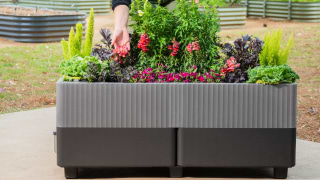
How to Protect Plants From Frost in Raised Beds Raised garden beds can be particularly easy to protect because you can cover an entire growing area at once. A few good practical options include:
Frost cloth
Hoops with row cover
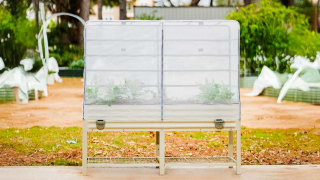
Greenhouse-style covers
Mulch around plant roots
For a small raised bed, a simple cover supported by hoops can protect multiple plants at once. Vego's raised garden bed systems can also be paired with garden covers and added protection, giving you a practical framework for extending the season.
Protecting Container Plants From an Unexpected Frost Container plants can be even more vulnerable than plants in the ground. The entire container is exposed to cold air, so the soil around the roots can cool much faster. When in doubt, move your containers indoors. A garage, enclosed porch, greenhouse, or other sheltered space can provide much more protection than leaving the pot outside.
Self-watering planters can be convenient during the growing season, but if freezing temperatures are expected, pay particular attention to the water reservoir and follow winter-care guidance.
How to Protect Plants From Frost in a Greenhouse A greenhouse can provide additional protection, but don't assume an unheated greenhouse will stay above freezing. If an unexpected frost is on the way:
Check the greenhouse temperature
Group vulnerable plants together
Add frost covers around particularly sensitive plants
Consider supplemental heat if your crops require it
Vego's Greenhouse Frost Cover System can provide an additional layer of protection for suitable greenhouse setups during cold weather. The most important thing is to know the temperature your greenhouse actually reaches at night rather than assuming it is frost-free.
Can You Save a Plant After Frost Damage? Don't immediately pull out a plant simply because some leaves have been damaged. Light frost can damage foliage while leaving stems, roots, and growing points alive. Wait until the plant has thawed completely before assessing the damage.
Signs a Plant May Recover
Only some leaves are damaged
Growing points are still healthy
Roots weren't exposed to prolonged freezing
Signs of Severe Damage If only the foliage has been damaged, give the plant time before pruning heavily. Sometimes what looks like a dead plant immediately after frost can still produce new growth.
What If Frost Is Expected for Several Nights? If temperatures are expected to remain low for several nights, consider whether the crop is worth protecting long term. For cold-hardy vegetables, continue using frost covers , mulch, tunnels, or a greenhouse.
For tender summer vegetables, it may be more practical to harvest the remaining crop and clear the bed. Think of frost protection as a way to extend the useful life of a crop , snd not necessarily to save every plant indefinitely.
FAQs About Protecting Plants From Frost What is the fastest way to protect plants from frost? Cover vulnerable plants before temperatures fall to freezing. Use frost cloth, row cover, or a suitable fabric supported above the plants, and secure the edges close to the ground.
Should I cover plants at 32°F? Tender plants can be damaged around 32°F, so covering them before temperatures reach freezing is a sensible precaution. Cold-hardy vegetables may not need protection from a brief light frost.
What can I use to cover plants for frost? Frost cloth, row covers, sheets, blankets, and other breathable fabrics can provide temporary protection. Purpose-designed frost cloth is generally easier to manage. If using plastic, keep it from directly touching plant foliage.
Should I water plants before a frost? If the soil is dry, watering earlier in the day before a frost can help because moist soil can retain more heat. Avoid saturating poorly drained soil and don't rely on spraying plants with water during freezing conditions.
How do I protect plants from frost without a greenhouse? Use frost cloth or row covers, add mulch around the root zone, move containers to sheltered locations, and group plants together where practical.
Can plants recover from frost damage? Yes, depending on the severity of the frost. Some plants can recover when only foliage is damaged and the stems, growing points, and roots remain healthy.
Should I remove frost-damaged leaves? Wait until the plant has thawed and the extent of the damage is clear. Lightly damaged leaves don't always need immediate removal, and pruning too aggressively can create additional stress.
Can I protect tomato plants from an unexpected frost? Yes, a temporary cover can protect tomatoes from a brief light frost. However, tomatoes are highly frost-sensitive, and prolonged freezing temperatures will eventually kill the plants.
How do I protect raised beds from frost? Cover the plants with frost cloth or a suitable protective cover, add mulch around the root zone, and use low tunnels or other supported covers when appropriate.
How do I protect container plants from frost? Move tender containers indoors or into a greenhouse or sheltered location. Container roots are particularly vulnerable because the entire pot is exposed to cold air.
Will a greenhouse protect plants from frost? A greenhouse can reduce exposure to frost, but an unheated greenhouse can still fall below freezing. Monitor temperatures and use additional frost protection when necessary.
How long can plants stay covered during frost? That depends on the covering and weather. Remove or ventilate covers when temperatures rise enough to prevent overheating and excess humidity. During extended cold periods, follow the recommendations for the specific cover you're using.
Final Thoughts The best response to an unexpected frost is to act early, protect the plants worth saving, and know which crops can handle the cold. Cover up your plants before temperatures really drop, move containers to a shelter, and use a greenhouse or frost cover when you need extra protection.
If several freezing nights are coming, it's time to decide which crops are worth carrying through the rest of the season and which ones are ready to come out of your garden.
Alfons C. from Vego Garden
Alfons is an experienced copywriting and marketing expert. He also managed creative campaigns for advertising agencies and renowned brands. He is a graduate of Goldsmiths College, University of London, and originally from Vancouver, Canada.
Get A 5% OFF + Free Shipping*
Be the first to know about our discounts, and get $15 off your next order of $199 + free shipping
Get Your Coupon
Please enable JavaScript to view the
comments powered by Disqus.
Alfons C. from Vego Garden
Alfons is an experienced copywriting and marketing expert. He also managed creative campaigns for advertising agencies and renowned brands. He is a graduate of Goldsmiths College, University of London, and originally from Vancouver, Canada.
Get A 5% OFF + Free Shipping*
Be the first to know about our discounts, and get $15 off your next order of $199 + free shipping
Get Your Coupon
{"39495389741091":{"discounted":true,"percent":true},"39495389773859":{"discounted":true,"percent":true},"39495389806627":{"discounted":true,"percent":true},"39495389839395":{"discounted":true,"percent":true},"39458935832611":{"discounted":true,"percent":true},"39458935767075":{"discounted":true,"percent":true},"39458935865379":{"discounted":true,"percent":true},"39458935799843":{"discounted":true,"percent":true},"39903465013283":{"discounted":true,"percent":true},"39903480250403":{"discounted":true,"percent":true},"39903467896867":{"discounted":true,"percent":true},"39903467962403":{"discounted":true,"percent":true},"39903467995171":{"discounted":true,"percent":true},"39903467929635":{"discounted":true,"percent":true},"39458936389667":{"discounted":true,"percent":true},"39458936324131":{"discounted":true,"percent":true},"39458936422435":{"discounted":true,"percent":true},"39458936356899":{"discounted":true,"percent":true},"33028107501603":{"discounted":true,"percent":true},"39279009136675":{"discounted":true,"percent":true},"39279009169443":{"discounted":true,"percent":true},"33028107534371":{"discounted":true,"percent":true},"40149904130083":{"discounted":true,"percent":true},"40157716578339":{"discounted":true,"percent":true},"40229600591907":{"discounted":true,"percent":true},"33028104650787":{"discounted":true,"percent":true},"39279430959139":{"discounted":true,"percent":true},"33028104683555":{"discounted":true,"percent":true},"39279430893603":{"discounted":true,"percent":true},"40149955215395":{"discounted":true,"percent":true},"40157728243747":{"discounted":true,"percent":true},"40231723794467":{"discounted":true,"percent":true},"39903477334051":{"discounted":true,"percent":true},"39302886096931":{"discounted":true,"percent":true},"39302886031395":{"discounted":true,"percent":true},"39302885998627":{"discounted":true,"percent":true},"39302886064163":{"discounted":true,"percent":true},"39457200799779":{"discounted":true,"percent":true},"39457200734243":{"discounted":true,"percent":true},"39457200832547":{"discounted":true,"percent":true},"39457200767011":{"discounted":true,"percent":true},"39903460065315":{"discounted":true,"percent":true},"33018842087459":{"discounted":true,"percent":true},"39279001403427":{"discounted":true,"percent":true},"33018842120227":{"discounted":true,"percent":true},"39278877605923":{"discounted":true,"percent":true},"40149905244195":{"discounted":true,"percent":true},"40157718347811":{"discounted":true,"percent":true},"39948202377251":{"discounted":true,"percent":true},"39948202410019":{"discounted":true,"percent":true},"39948202311715":{"discounted":true,"percent":true},"39948202344483":{"discounted":true,"percent":true},"39253770141731":{"discounted":true,"percent":true},"39253770174499":{"discounted":true,"percent":true},"39253770240035":{"discounted":true,"percent":true},"39253770207267":{"discounted":true,"percent":true},"39490596012067":{"discounted":true,"percent":true},"39490596044835":{"discounted":true,"percent":true},"39490595979299":{"discounted":true,"percent":true},"39490595946531":{"discounted":true,"percent":true},"40149985001507":{"discounted":true,"percent":true},"40157713072163":{"discounted":true,"percent":true},"33042263932963":{"discounted":true,"percent":true},"33042263965731":{"discounted":true,"percent":true},"39278875476003":{"discounted":true,"percent":true},"39279009792035":{"discounted":true,"percent":true},"40149988737059":{"discounted":true,"percent":true},"40157717430307":{"discounted":true,"percent":true},"40538642743331":{"discounted":true,"percent":true},"32893235068963":{"discounted":true,"percent":true},"39359510183971":{"discounted":true,"percent":true},"39359510380579":{"discounted":true,"percent":true},"39359509626915":{"discounted":true,"percent":true},"39302847758371":{"discounted":true,"percent":true},"33033504161827":{"discounted":true,"percent":true},"39302847266851":{"discounted":true,"percent":true},"39302847528995":{"discounted":true,"percent":true},"39458927509539":{"discounted":true,"percent":true},"39458927444003":{"discounted":true,"percent":true},"39458927542307":{"discounted":true,"percent":true},"39458927476771":{"discounted":true,"percent":true},"39457181958179":{"discounted":true,"percent":true},"39457181892643":{"discounted":true,"percent":true},"39457181990947":{"discounted":true,"percent":true},"39457181925411":{"discounted":true,"percent":true},"33042261409827":{"discounted":true,"percent":true},"33042261442595":{"discounted":true,"percent":true},"39279010742307":{"discounted":true,"percent":true},"39279010709539":{"discounted":true,"percent":true},"40149986869283":{"discounted":true,"percent":true},"40157715529763":{"discounted":true,"percent":true},"40538642415651":{"discounted":true,"percent":true},"33031990509603":{"discounted":true,"percent":true},"33031990542371":{"discounted":true,"percent":true},"39279016345635":{"discounted":true,"percent":true},"39279016476707":{"discounted":true,"percent":true},"40149997027363":{"discounted":true,"percent":true},"40157720936483":{"discounted":true,"percent":true},"39887154577443":{"discounted":true,"percent":true},"39593915875363":{"discounted":true,"percent":true},"39593915908131":{"discounted":true,"percent":true},"39593953296419":{"discounted":true,"percent":true},"39593953329187":{"discounted":true,"percent":true},"39612941565987":{"discounted":true,"percent":true},"39917388333091":{"discounted":true,"percent":true},"39917388365859":{"discounted":true,"percent":true},"39917390135331":{"discounted":true,"percent":true},"39917390168099":{"discounted":true,"percent":true},"39913389490211":{"discounted":true,"percent":true},"39917388398627":{"discounted":true,"percent":true},"39917388431395":{"discounted":true,"percent":true},"39917390200867":{"discounted":true,"percent":true},"40612116004899":{"discounted":true,"percent":true},"40612116037667":{"discounted":true,"percent":true},"39913593077795":{"discounted":true,"percent":true,"caCompareAtPrice":6895},"39913593110563":{"discounted":true,"percent":true,"caCompareAtPrice":11895},"39913593143331":{"discounted":true,"percent":true,"caCompareAtPrice":19595},"39917346193443":{"discounted":true,"percent":true,"caCompareAtPrice":31795},"39663128346659":{"discounted":true,"percent":true},"39663128379427":{"discounted":true,"percent":true},"39922332631075":{"discounted":true,"percent":true},"39922332663843":{"discounted":true,"percent":true},"39922340003875":{"discounted":true,"percent":true,"caCompareAtPrice":11095},"39922340036643":{"discounted":true,"percent":true},"39922340069411":{"discounted":true,"percent":true},"39705961496611":{"discounted":true,"percent":true,"caCompareAtPrice":4195},"39705961529379":{"discounted":true,"percent":true,"caCompareAtPrice":5595},"39705961562147":{"discounted":true,"percent":true,"caCompareAtPrice":8295},"39926582870051":{"discounted":true,"percent":true,"caCompareAtPrice":13794.999999999998},"39869961764899":{"discounted":true,"percent":true},"39869961797667":{"discounted":true,"percent":true},"39869961830435":{"discounted":true,"percent":true},"39936031031331":{"discounted":true,"percent":true},"39705945800739":{"discounted":true,"percent":true,"caCompareAtPrice":9695},"39705945767971":{"discounted":true,"percent":true,"caCompareAtPrice":6895},"39705945833507":{"discounted":true,"percent":true,"caCompareAtPrice":13794.999999999998},"39917346848803":{"discounted":true,"percent":true,"caCompareAtPrice":21995},"40006276382755":{"discounted":true,"percent":true},"40006276546595":{"discounted":true,"percent":true},"40006276775971":{"discounted":true,"percent":true},"40006276939811":{"discounted":true,"percent":true},"40024456036387":{"discounted":true,"percent":true},"40024461049891":{"discounted":true,"percent":true},"40021598797859":{"discounted":true,"percent":true},"40039271923747":{"discounted":true,"percent":true},"40039271956515":{"discounted":true,"percent":true},"40039271989283":{"discounted":true,"percent":true},"40039272022051":{"discounted":true,"percent":true},"40049744576547":{"discounted":true,"percent":true},"40049744609315":{"discounted":true,"percent":true},"40163199975459":{"discounted":true,"percent":true},"40163200008227":{"discounted":true,"percent":true},"40163199942691":{"discounted":true,"percent":true},"40201956589603":{"discounted":true,"percent":true},"40201956622371":{"discounted":true,"percent":true},"40195291480099":{"discounted":true,"percent":true},"40202236526627":{"discounted":true,"percent":true},"40202236559395":{"discounted":true,"percent":true},"40196235591715":{"discounted":true,"percent":true},"40202232037411":{"discounted":true,"percent":true},"40202232070179":{"discounted":true,"percent":true},"40195093495843":{"discounted":true,"percent":true},"40202231152675":{"discounted":true,"percent":true},"40202231185443":{"discounted":true,"percent":true},"40195095560227":{"discounted":true,"percent":true},"40202231447587":{"discounted":true,"percent":true},"40202231480355":{"discounted":true,"percent":true},"40195099328547":{"discounted":true,"percent":true},"40202229121059":{"discounted":true,"percent":true},"40195099688995":{"discounted":true,"percent":true},"40202233937955":{"discounted":true,"percent":true},"40195346268195":{"discounted":true,"percent":true},"40202236657699":{"discounted":true,"percent":true},"40202236690467":{"discounted":true,"percent":true},"40195281846307":{"discounted":true,"percent":true},"40202235969571":{"discounted":true,"percent":true},"40202236002339":{"discounted":true,"percent":true},"40682906943523":{"discounted":true,"percent":true},"40682907009059":{"discounted":true,"percent":true},"40682906976291":{"discounted":true,"percent":true},"40233730211875":{"discounted":true,"percent":true},"40233733259299":{"discounted":true,"percent":true},"40233729851427":{"discounted":true,"percent":true},"40233700491299":{"discounted":true,"percent":true},"40233701376035":{"discounted":true,"percent":true},"40233729753123":{"discounted":true,"percent":true},"40227788619811":{"discounted":true,"percent":true},"40233730801699":{"discounted":true,"percent":true},"40233696165923":{"discounted":true,"percent":true},"40233691807779":{"discounted":true,"percent":true},"40233733750819":{"discounted":true,"percent":true},"40233731817507":{"discounted":true,"percent":true},"40233730277411":{"discounted":true,"percent":true},"40233734209571":{"discounted":true,"percent":true},"40233730768931":{"discounted":true,"percent":true},"40233733685283":{"discounted":true,"percent":true},"40233733554211":{"discounted":true,"percent":true},"40233782771747":{"discounted":true,"percent":true},"40233733062691":{"discounted":true,"percent":true},"40233722839075":{"discounted":true,"percent":true},"40233732341795":{"discounted":true,"percent":true},"40233782804515":{"discounted":true,"percent":true},"40233745481763":{"discounted":true,"percent":true},"40233782706211":{"discounted":true,"percent":true},"40233776906275":{"discounted":true,"percent":true},"40233737584675":{"discounted":true,"percent":true},"40233779920931":{"discounted":true,"percent":true},"40233701146659":{"discounted":true,"percent":true},"40233730965539":{"discounted":true,"percent":true},"40233733914659":{"discounted":true,"percent":true},"40233698492451":{"discounted":true,"percent":true},"40233720774691":{"discounted":true,"percent":true},"40233698164771":{"discounted":true,"percent":true},"40233707372579":{"discounted":true,"percent":true},"40233730506787":{"discounted":true,"percent":true},"40186969849891":{"discounted":true,"percent":true,"caCompareAtPrice":6895},"40186969882659":{"discounted":true,"percent":true,"caCompareAtPrice":9695},"40186969915427":{"discounted":true,"percent":true,"caCompareAtPrice":12395},"40186969948195":{"discounted":true,"percent":true,"caCompareAtPrice":15194.999999999998},"39647044567075":{"discounted":true,"percent":true},"39647044599843":{"discounted":true,"percent":true},"40189384491043":{"discounted":true,"percent":true},"40189384523811":{"discounted":true,"percent":true},"40189384556579":{"discounted":true,"percent":true},"40189384589347":{"discounted":true,"percent":true},"40209225613347":{"discounted":true,"percent":true,"caCompareAtPrice":5595},"40251254702115":{"discounted":true,"percent":true},"40251276525603":{"discounted":true,"percent":true},"40251255128099":{"discounted":true,"percent":true},"40251276197923":{"discounted":true,"percent":true},"40251255160867":{"discounted":true,"percent":true},"40251276230691":{"discounted":true,"percent":true},"40251255193635":{"discounted":true,"percent":true},"40251276263459":{"discounted":true,"percent":true},"40246461792291":{"discounted":true,"percent":true},"40246461759523":{"discounted":true,"percent":true},"40327621640227":{"discounted":true,"percent":true},"40329419194403":{"discounted":true,"percent":true},"40329419227171":{"discounted":true,"percent":true},"40329419259939":{"discounted":true,"percent":true},"40327767064611":{"discounted":true,"percent":true},"40313739903011":{"discounted":true,"percent":true},"40313740165155":{"discounted":true,"percent":true},"40313740197923":{"discounted":true,"percent":true},"40313730367523":{"discounted":true,"percent":true},"40313730498595":{"discounted":true,"percent":true},"40313739411491":{"discounted":true,"percent":true},"40313739444259":{"discounted":true,"percent":true},"40328147238947":{"discounted":true,"percent":true},"40328129282083":{"discounted":true,"percent":true},"40328147075107":{"discounted":true,"percent":true},"40328146747427":{"discounted":true,"percent":true},"40376049893411":{"discounted":true,"percent":true},"40376049926179":{"discounted":true,"percent":true},"40376049958947":{"discounted":true,"percent":true},"40331197972515":{"discounted":true,"percent":true},"40376060149795":{"discounted":true,"percent":true},"40331071422499":{"discounted":true,"percent":true},"40092513566755":{"discounted":true,"percent":true},"40446144512035":{"discounted":true,"percent":true},"40446144544803":{"discounted":true,"percent":true},"40446144577571":{"discounted":true,"percent":true},"40446144610339":{"discounted":true,"percent":true},"40446144643107":{"discounted":true,"percent":true},"40446144675875":{"discounted":true,"percent":true},"40446145757219":{"discounted":true,"percent":true},"40446146412579":{"discounted":true,"percent":true},"40446145298467":{"discounted":true,"percent":true},"40453863473187":{"discounted":true,"percent":true},"40295020199971":{"discounted":true,"percent":true},"40454193971235":{"discounted":true,"percent":true},"40454190759971":{"discounted":true,"percent":true},"40481364148259":{"discounted":true,"percent":true},"40481363853347":{"discounted":true,"percent":true},"40481363755043":{"discounted":true,"percent":true},"40481362837539":{"discounted":true,"percent":true},"40481363623971":{"discounted":true,"percent":true},"40481363460131":{"discounted":true,"percent":true},"40481363132451":{"discounted":true,"percent":true},"40481363394595":{"discounted":true,"percent":true},"40481363066915":{"discounted":true,"percent":true},"40481362739235":{"discounted":true,"percent":true},"40481363230755":{"discounted":true,"percent":true},"40481363296291":{"discounted":true,"percent":true},"40481362935843":{"discounted":true,"percent":true},"40481362149411":{"discounted":true,"percent":true},"40481363787811":{"discounted":true,"percent":true},"40481363492899":{"discounted":true,"percent":true},"40481363427363":{"discounted":true,"percent":true},"40481363558435":{"discounted":true,"percent":true},"40481363165219":{"discounted":true,"percent":true},"40481363001379":{"discounted":true,"percent":true},"40481363099683":{"discounted":true,"percent":true},"40481363263523":{"discounted":true,"percent":true},"40481362673699":{"discounted":true,"percent":true},"40481362608163":{"discounted":true,"percent":true},"40481363034147":{"discounted":true,"percent":true},"40481362477091":{"discounted":true,"percent":true},"40481362542627":{"discounted":true,"percent":true},"40481362870307":{"discounted":true,"percent":true},"40481362575395":{"discounted":true,"percent":true},"40481362903075":{"discounted":true,"percent":true},"40481362378787":{"discounted":true,"percent":true},"40481362411555":{"discounted":true,"percent":true},"40481362772003":{"discounted":true,"percent":true},"40481362116643":{"discounted":true,"percent":true},"40481362804771":{"discounted":true,"percent":true},"40481363197987":{"discounted":true,"percent":true},"40481363361827":{"discounted":true,"percent":true},"40481362247715":{"discounted":true,"percent":true},"40481362346019":{"discounted":true,"percent":true},"40481362509859":{"discounted":true,"percent":true},"40481362083875":{"discounted":true,"percent":true},"40481362018339":{"discounted":true,"percent":true},"40481362051107":{"discounted":true,"percent":true},"40481362182179":{"discounted":true,"percent":true},"40481362280483":{"discounted":true,"percent":true},"40481361756195":{"discounted":true,"percent":true},"40481361985571":{"discounted":true,"percent":true},"40481361952803":{"discounted":true,"percent":true},"40481361920035":{"discounted":true,"percent":true},"40481361854499":{"discounted":true,"percent":true},"40481361821731":{"discounted":true,"percent":true},"40481361625123":{"discounted":true,"percent":true},"40481361887267":{"discounted":true,"percent":true},"40481361690659":{"discounted":true,"percent":true},"40481361723427":{"discounted":true,"percent":true},"40481361526819":{"discounted":true,"percent":true},"39567814754339":{"discounted":true,"percent":true},"39567814688803":{"discounted":true,"percent":true},"39567814623267":{"discounted":true,"percent":true},"39567814557731":{"discounted":true,"percent":true},"39567814721571":{"discounted":true,"percent":true},"39567814656035":{"discounted":true,"percent":true},"39567814590499":{"discounted":true,"percent":true},"39567814524963":{"discounted":true,"percent":true},"40186969653283":{"discounted":true,"percent":true},"40186969686051":{"discounted":true,"percent":true},"39567815409699":{"discounted":true,"percent":true},"40135922253859":{"discounted":true,"percent":true},"39567815475235":{"discounted":true,"percent":true},"39567815737379":{"discounted":true,"percent":true},"39567815573539":{"discounted":true,"percent":true},"39567815376931":{"discounted":true,"percent":true},"39567815540771":{"discounted":true,"percent":true},"39567815639075":{"discounted":true,"percent":true},"39567815606307":{"discounted":true,"percent":true},"39567815704611":{"discounted":true,"percent":true},"39567815508003":{"discounted":true,"percent":true},"39567815671843":{"discounted":true,"percent":true},"39567815442467":{"discounted":true,"percent":true},"39569217355811":{"discounted":true,"percent":true},"40313706414115":{"discounted":true,"percent":true},"40497627332643":{"discounted":true,"percent":true},"40313682395171":{"discounted":true,"percent":true},"40497627365411":{"discounted":true,"percent":true},"40313706381347":{"discounted":true,"percent":true},"40497627398179":{"discounted":true,"percent":true},"40561018994723":{"discounted":true,"percent":true},"40561019027491":{"discounted":true,"percent":true},"40561019060259":{"discounted":true,"percent":true},"40313682591779":{"discounted":true,"percent":true},"40497628184611":{"discounted":true,"percent":true},"40313682296867":{"discounted":true,"percent":true},"40497628217379":{"discounted":true,"percent":true},"40313682559011":{"discounted":true,"percent":true},"40497628250147":{"discounted":true,"percent":true},"40561019551779":{"discounted":true,"percent":true},"40561019584547":{"discounted":true,"percent":true},"40561019617315":{"discounted":true,"percent":true},"40503763370019":{"discounted":true,"percent":true},"40503763435555":{"discounted":true,"percent":true},"40503772610595":{"discounted":true,"percent":true},"40503766024227":{"discounted":true,"percent":true},"40837297242147":{"discounted":true,"percent":true},"40837297274915":{"discounted":true,"percent":true},"40837297307683":{"discounted":true,"percent":true},"40837297340451":{"discounted":true,"percent":true},"40837297373219":{"discounted":true,"percent":true},"40837297405987":{"discounted":true,"percent":true},"40503797743651":{"discounted":true,"percent":true},"40503800135715":{"discounted":true,"percent":true},"40516735467555":{"discounted":true,"percent":true},"40516658266147":{"discounted":true,"percent":true},"40516558389283":{"discounted":true,"percent":true},"40516773576739":{"discounted":true,"percent":true},"40837258412067":{"discounted":true,"percent":true},"40837258444835":{"discounted":true,"percent":true},"40837258477603":{"discounted":true,"percent":true},"40837258510371":{"discounted":true,"percent":true},"40837258543139":{"discounted":true,"percent":true},"40837258575907":{"discounted":true,"percent":true},"40837258608675":{"discounted":true,"percent":true},"40837258641443":{"discounted":true,"percent":true},"40837258674211":{"discounted":true,"percent":true},"40519099252771":{"discounted":true,"percent":true},"40528983392291":{"discounted":true,"percent":true},"40528983425059":{"discounted":true,"percent":true},"40528983457827":{"discounted":true,"percent":true},"40528983490595":{"discounted":true,"percent":true},"40528983523363":{"discounted":true,"percent":true},"40528983556131":{"discounted":true,"percent":true},"40528983588899":{"discounted":true,"percent":true},"40528983621667":{"discounted":true,"percent":true},"40528983654435":{"discounted":true,"percent":true},"39900463038499":{"discounted":true,"percent":true},"39900463005731":{"discounted":true,"percent":true},"40169091399715":{"discounted":true,"percent":true},"40169091596323":{"discounted":true,"percent":true},"40169091432483":{"discounted":true,"percent":true},"40169091465251":{"discounted":true,"percent":true},"40169091498019":{"discounted":true,"percent":true},"40169091530787":{"discounted":true,"percent":true},"40169091563555":{"discounted":true,"percent":true},"40134039535651":{"discounted":true,"percent":true},"40134039568419":{"discounted":true,"percent":true},"40134039601187":{"discounted":true,"percent":true},"40134039633955":{"discounted":true,"percent":true},"40134039666723":{"discounted":true,"percent":true},"40134039699491":{"discounted":true,"percent":true},"40134039732259":{"discounted":true,"percent":true},"40134039765027":{"discounted":true,"percent":true},"40134039797795":{"discounted":true,"percent":true},"40134039830563":{"discounted":true,"percent":true},"40134039863331":{"discounted":true,"percent":true},"40134039896099":{"discounted":true,"percent":true},"40134039928867":{"discounted":true,"percent":true},"40528971399203":{"discounted":true,"percent":true},"40468308459555":{"discounted":true,"percent":true},"40528971431971":{"discounted":true,"percent":true},"40528971464739":{"discounted":true,"percent":true},"40528971497507":{"discounted":true,"percent":true},"40528971530275":{"discounted":true,"percent":true},"40528971563043":{"discounted":true,"percent":true},"40528971595811":{"discounted":true,"percent":true},"40528971628579":{"discounted":true,"percent":true},"40549336219683":{"discounted":true,"percent":true},"40549336252451":{"discounted":true,"percent":true},"40549336285219":{"discounted":true,"percent":true},"40549336317987":{"discounted":true,"percent":true},"40549378818083":{"discounted":true,"percent":true},"40549378850851":{"discounted":true,"percent":true},"40549378883619":{"discounted":true,"percent":true},"40549372657699":{"discounted":true,"percent":true},"40549372690467":{"discounted":true,"percent":true},"40549372723235":{"discounted":true,"percent":true},"40443932246051":{"discounted":true,"percent":true},"40443932278819":{"discounted":true,"percent":true},"40443932311587":{"discounted":true,"percent":true},"40443932344355":{"discounted":true,"percent":true},"40443932377123":{"discounted":true,"percent":true},"40443932409891":{"discounted":true,"percent":true},"40443932442659":{"discounted":true,"percent":true},"40170791239715":{"discounted":true,"percent":true},"40411875770403":{"discounted":true,"percent":true},"40330991534115":{"discounted":true,"percent":true},"40558101069859":{"discounted":true,"percent":true},"40558101102627":{"discounted":true,"percent":true},"40558092910627":{"discounted":true,"percent":true},"40558092943395":{"discounted":true,"percent":true},"40558403813411":{"discounted":true,"percent":true},"40557999259683":{"discounted":true,"percent":true},"40557999292451":{"discounted":true,"percent":true},"40558401028131":{"discounted":true,"percent":true},"40558003453987":{"discounted":true,"percent":true},"40558003486755":{"discounted":true,"percent":true},"40558000570403":{"discounted":true,"percent":true},"40558000603171":{"discounted":true,"percent":true},"40558401585187":{"discounted":true,"percent":true},"40558002896931":{"discounted":true,"percent":true},"40558002929699":{"discounted":true,"percent":true},"40558402306083":{"discounted":true,"percent":true},"40561551474723":{"discounted":true,"percent":true},"40561551507491":{"discounted":true,"percent":true},"40561551540259":{"discounted":true,"percent":true},"40561551573027":{"discounted":true,"percent":true},"40561551605795":{"discounted":true,"percent":true},"40561551638563":{"discounted":true,"percent":true},"40561553047587":{"discounted":true,"percent":true},"40561553080355":{"discounted":true,"percent":true},"40561553113123":{"discounted":true,"percent":true},"40561553145891":{"discounted":true,"percent":true},"40561553178659":{"discounted":true,"percent":true},"40561553211427":{"discounted":true,"percent":true},"40561568907299":{"discounted":true,"percent":true},"40561568940067":{"discounted":true,"percent":true},"40561568972835":{"discounted":true,"percent":true},"40561569005603":{"discounted":true,"percent":true},"40561569038371":{"discounted":true,"percent":true},"40561569071139":{"discounted":true,"percent":true},"40563230277667":{"discounted":true,"percent":true},"40563230310435":{"discounted":true,"percent":true},"40565181120547":{"discounted":true,"percent":true},"40565181153315":{"discounted":true,"percent":true},"40565181186083":{"discounted":true,"percent":true},"40565200617507":{"discounted":true,"percent":true},"40565200650275":{"discounted":true,"percent":true},"40565200683043":{"discounted":true,"percent":true},"40565234008099":{"discounted":true,"percent":true},"40565234040867":{"discounted":true,"percent":true},"40565234073635":{"discounted":true,"percent":true},"40565244035107":{"discounted":true,"percent":true},"40565244067875":{"discounted":true,"percent":true},"40565244100643":{"discounted":true,"percent":true},"40575683362851":{"discounted":true,"percent":true},"40579370188835":{"discounted":true},"40575663898659":{"discounted":true,"percent":true},"40579374415907":{"discounted":true,"percent":true},"40769353809955":{"discounted":true,"percent":true},"40582727073827":{"discounted":true,"percent":true},"40582727106595":{"discounted":true,"percent":true},"40769354760227":{"discounted":true,"percent":true},"40585940041763":{"discounted":true,"percent":true},"40585940074531":{"discounted":true,"percent":true},"40770454126627":{"discounted":true,"percent":true},"40770454159395":{"discounted":true,"percent":true},"40837276827683":{"discounted":true,"percent":true},"40837276860451":{"discounted":true,"percent":true},"40837276893219":{"discounted":true,"percent":true},"40837276925987":{"discounted":true,"percent":true},"40837276958755":{"discounted":true,"percent":true},"40837276991523":{"discounted":true,"percent":true},"40837277024291":{"discounted":true,"percent":true},"40837277057059":{"discounted":true,"percent":true},"40837277089827":{"discounted":true,"percent":true},"40600751374371":{"discounted":true,"percent":true},"40600751407139":{"discounted":true,"percent":true},"40577987444771":{"discounted":true,"percent":true},"40577987412003":{"discounted":true,"percent":true},"40577987346467":{"discounted":true,"percent":true},"40577987510307":{"discounted":true,"percent":true},"40577987379235":{"discounted":true,"percent":true},"40577987477539":{"discounted":true,"percent":true},"40575684771875":{"discounted":true,"percent":true},"40575684083747":{"discounted":true},"40575684116515":{"discounted":true},"40575686115363":{"discounted":true,"percent":true},"40575684902947":{"discounted":true,"percent":true},"40575684968483":{"discounted":true,"percent":true},"40624748527651":{"discounted":true,"percent":true},"40624748560419":{"discounted":true,"percent":true},"40623599976483":{"discounted":true,"percent":true},"40623600009251":{"discounted":true,"percent":true},"40623600042019":{"discounted":true,"percent":true},"40623600074787":{"discounted":true,"percent":true},"40603450048547":{"discounted":true,"percent":true},"40603450081315":{"discounted":true,"percent":true},"40603450114083":{"discounted":true,"percent":true},"40632770887715":{"discounted":true},"40632770920483":{"discounted":true},"40632770953251":{"discounted":true},"40632776785955":{"discounted":true},"40632776851491":{"discounted":true},"40632776917027":{"discounted":true},"41890808201251":{"discounted":true},"41890808234019":{"discounted":true},"41890808266787":{"discounted":true},"40674028159011":{"discounted":true},"40674028191779":{"discounted":true},"40674588459043":{"discounted":true},"40674588491811":{"discounted":true},"40674028814371":{"discounted":true},"40674028847139":{"discounted":true},"40674588819491":{"discounted":true},"40674588852259":{"discounted":true},"40674511257635":{"discounted":true},"40674511290403":{"discounted":true},"40674511323171":{"discounted":true},"40674511355939":{"discounted":true},"40674512240675":{"discounted":true},"40674512273443":{"discounted":true},"40674512306211":{"discounted":true},"40674512338979":{"discounted":true},"40482229747747":{"discounted":true},"40696809914403":{"discounted":true},"40700910632995":{"discounted":true},"40700910665763":{"discounted":true},"40700910698531":{"discounted":true},"40700910731299":{"discounted":true},"40700910764067":{"discounted":true},"40700910796835":{"discounted":true},"40700901687331":{"discounted":true},"40700901720099":{"discounted":true},"40707472588835":{"discounted":true},"40707472982051":{"discounted":true},"40706641362979":{"discounted":true},"40721328013347":{"discounted":true},"40713409396771":{"discounted":true},"40713409429539":{"discounted":true},"40724032421923":{"discounted":true},"40724032454691":{"discounted":true},"40724032487459":{"discounted":true},"40724020068387":{"discounted":true},"40724020101155":{"discounted":true},"40734272094243":{"discounted":true},"40734272127011":{"discounted":true},"40734272258083":{"discounted":true},"40734272323619":{"discounted":true},"40734272389155":{"discounted":true},"40740311695395":{"discounted":true},"40740311728163":{"discounted":true},"40740035330083":{"discounted":true},"40740035362851":{"discounted":true},"40740035395619":{"discounted":true},"40740022124579":{"discounted":true,"percent":true},"40740022157347":{"discounted":true,"percent":true},"40740022190115":{"discounted":true,"percent":true},"40740022222883":{"discounted":true,"percent":true},"40740022255651":{"discounted":true,"percent":true},"40740022288419":{"discounted":true,"percent":true},"40740016554019":{"discounted":true},"40740007182371":{"discounted":true},"40740007215139":{"discounted":true},"40740007247907":{"discounted":true},"40740007280675":{"discounted":true},"40739982180387":{"discounted":true,"percent":true},"40739982213155":{"discounted":true,"percent":true},"40739982245923":{"discounted":true,"percent":true},"40739982311459":{"discounted":true,"percent":true},"40739974414371":{"discounted":true},"40744601878563":{"discounted":true},"40744601911331":{"discounted":true},"40744601944099":{"discounted":true},"40739965370403":{"discounted":true},"40739943874595":{"discounted":true},"40739943907363":{"discounted":true},"40739912220707":{"discounted":true},"40739912253475":{"discounted":true},"40739912286243":{"discounted":true},"40739912319011":{"discounted":true},"40739912351779":{"discounted":true},"40739912384547":{"discounted":true},"40739912417315":{"discounted":true},"40739888529443":{"discounted":true},"40738045657123":{"discounted":true},"40738045689891":{"discounted":true,"caCompareAtPrice":56195.00000000001},"40738045722659":{"discounted":true},"40746867654691":{"discounted":true},"40746867687459":{"discounted":true},"40746867720227":{"discounted":true},"40746867752995":{"discounted":true},"40749252378659":{"discounted":true},"40749308543011":{"discounted":true},"40749726498851":{"discounted":true},"40749727154211":{"discounted":true},"40749728301091":{"discounted":true},"40752536944675":{"discounted":true},"40752536977443":{"discounted":true},"40752537075747":{"discounted":true},"40752537010211":{"discounted":true},"40752554475555":{"discounted":true},"40752537042979":{"discounted":true},"40752526884899":{"discounted":true},"40752526917667":{"discounted":true},"40753362370595":{"discounted":true},"40753362403363":{"discounted":true},"40753362436131":{"discounted":true},"40753362468899":{"discounted":true},"40761031950371":{"discounted":true},"40760981389347":{"discounted":true},"40731163394083":{"discounted":true},"40751841050659":{"discounted":true},"40766173249571":{"discounted":true},"40767208226851":{"discounted":true},"40767208259619":{"discounted":true},"40767208292387":{"discounted":true},"40760982765603":{"discounted":true},"40771181772835":{"discounted":true},"40771256057891":{"discounted":true},"40837297668131":{"discounted":true},"40837297700899":{"discounted":true},"40837297733667":{"discounted":true},"40837297766435":{"discounted":true},"40775268040739":{"discounted":true},"40775799767075":{"discounted":true},"40775879950371":{"discounted":true},"40771053223971":{"discounted":true},"40782894923811":{"discounted":true},"40782903279651":{"discounted":true},"40782908489763":{"discounted":true},"40782912651299":{"discounted":true},"40782913241123":{"discounted":true},"40782914027555":{"discounted":true},"40782914682915":{"discounted":true},"40782915600419":{"discounted":true},"40782915764259":{"discounted":true},"40783640985635":{"discounted":true},"40181956116515":{"discounted":true},"40794599358499":{"discounted":true},"40801300414499":{"discounted":true},"40801300447267":{"discounted":true},"40801300480035":{"discounted":true},"40804272046115":{"discounted":true},"40804272078883":{"discounted":true},"40804272111651":{"discounted":true},"40804272275491":{"discounted":true},"40804272308259":{"discounted":true},"40804272341027":{"discounted":true},"40804272472099":{"discounted":true},"40804272504867":{"discounted":true},"40804272537635":{"discounted":true},"40804269981731":{"discounted":true},"40804271489059":{"discounted":true},"40804385685539":{"discounted":true},"40804385718307":{"discounted":true},"40804385751075":{"discounted":true},"40805784748067":{"discounted":true},"40805784780835":{"discounted":true},"40805784682531":{"discounted":true},"40805784715299":{"discounted":true},"40804266082339":{"discounted":true},"40804266115107":{"discounted":true},"40804266147875":{"discounted":true},"40804266180643":{"discounted":true},"40805366431779":{"discounted":true},"40805281136675":{"discounted":true},"40809607790627":{"discounted":true,"percent":true},"40809607823395":{"discounted":true,"percent":true},"40809607856163":{"discounted":true,"percent":true},"40809614409763":{"discounted":true,"percent":true},"40809614442531":{"discounted":true,"percent":true},"40809614475299":{"discounted":true,"percent":true},"40809617293347":{"discounted":true,"percent":true},"40809617326115":{"discounted":true,"percent":true},"40809617358883":{"discounted":true,"percent":true},"40809617817635":{"discounted":true,"percent":true},"40809617850403":{"discounted":true,"percent":true},"40809617883171":{"discounted":true,"percent":true},"40809675751459":{"discounted":true,"percent":true},"40809675784227":{"discounted":true,"percent":true},"40809675816995":{"discounted":true,"percent":true},"40809675620387":{"discounted":true,"percent":true},"40809675653155":{"discounted":true,"percent":true},"40809675685923":{"discounted":true,"percent":true},"40809674932259":{"discounted":true,"percent":true},"40809674965027":{"discounted":true,"percent":true},"40809674997795":{"discounted":true,"percent":true},"40809674833955":{"discounted":true,"percent":true},"40809674866723":{"discounted":true,"percent":true},"40809674899491":{"discounted":true,"percent":true},"40727616716835":{"discounted":true},"40727616749603":{"discounted":true},"40782413103139":{"discounted":true},"40782413135907":{"discounted":true},"40806981992483":{"discounted":true},"40806982025251":{"discounted":true},"40782455570467":{"discounted":true},"40782455603235":{"discounted":true},"40782463303715":{"discounted":true},"40782463336483":{"discounted":true},"40806983073827":{"discounted":true},"40806983106595":{"discounted":true},"40747673255971":{"discounted":true},"40747673288739":{"discounted":true},"40806983237667":{"discounted":true},"40806983270435":{"discounted":true},"40806984351779":{"discounted":true},"40806984384547":{"discounted":true},"40806984744995":{"discounted":true},"40806984777763":{"discounted":true},"40510812749859":{"discounted":true},"40510812782627":{"discounted":true},"40510812815395":{"discounted":true},"40785685217315":{"discounted":true},"40785685250083":{"discounted":true},"40510811668515":{"discounted":true},"40510811701283":{"discounted":true},"40510811734051":{"discounted":true},"40510811766819":{"discounted":true},"40748790054947":{"discounted":true},"40748790087715":{"discounted":true},"40806985826339":{"discounted":true},"40806985859107":{"discounted":true},"40733104209955":{"discounted":true},"40510808129571":{"discounted":true},"40510808588323":{"discounted":true},"40510809014307":{"discounted":true},"40785685413923":{"discounted":true},"40785685446691":{"discounted":true},"40481363591203":{"discounted":true},"40481363656739":{"discounted":true},"40481363689507":{"discounted":true},"40785741676579":{"discounted":true},"40785741709347":{"discounted":true},"40801550794787":{"discounted":true},"40806987071523":{"discounted":true},"40806987104291":{"discounted":true},"40785889820707":{"discounted":true},"40785889853475":{"discounted":true},"40727440883747":{"discounted":true},"40727440916515":{"discounted":true},"40806988021795":{"discounted":true},"40806988054563":{"discounted":true},"40785923244067":{"discounted":true},"40785923276835":{"discounted":true},"40806988972067":{"discounted":true},"40806989004835":{"discounted":true},"40786193481763":{"discounted":true},"40786193514531":{"discounted":true},"40750153334819":{"discounted":true},"40786238898211":{"discounted":true},"40786238930979":{"discounted":true},"40805535350819":{"discounted":true},"40805535383587":{"discounted":true},"40786246369315":{"discounted":true},"40786246402083":{"discounted":true},"40786247548963":{"discounted":true},"40786247581731":{"discounted":true},"40786248695843":{"discounted":true},"40786248728611":{"discounted":true},"40807051198499":{"discounted":true},"40807051231267":{"discounted":true},"40775664205859":{"discounted":true},"40775664238627":{"discounted":true},"40775664271395":{"discounted":true},"40775664304163":{"discounted":true},"40775664336931":{"discounted":true},"40775664369699":{"discounted":true},"40775664402467":{"discounted":true},"40775664435235":{"discounted":true},"40775664468003":{"discounted":true},"40775664500771":{"discounted":true},"40775664533539":{"discounted":true},"40775664566307":{"discounted":true},"40775664599075":{"discounted":true},"40775664631843":{"discounted":true},"40775664664611":{"discounted":true},"40775664697379":{"discounted":true},"40733132652579":{"discounted":true},"40727608393763":{"discounted":true},"40805549375523":{"discounted":true},"40805549408291":{"discounted":true},"40807052017699":{"discounted":true},"40807052050467":{"discounted":true},"40727616520227":{"discounted":true},"40727616552995":{"discounted":true},"40510808686627":{"discounted":true},"40510809210915":{"discounted":true},"40510813175843":{"discounted":true},"40510813208611":{"discounted":true},"40510813241379":{"discounted":true},"40510813274147":{"discounted":true},"40510813306915":{"discounted":true},"40510813339683":{"discounted":true},"40510813372451":{"discounted":true},"40510813405219":{"discounted":true},"40510813437987":{"discounted":true},"40764371370019":{"discounted":true},"40785983406115":{"discounted":true},"40785983438883":{"discounted":true},"40510809374755":{"discounted":true},"40510809735203":{"discounted":true},"40510809964579":{"discounted":true},"40510810226723":{"discounted":true},"40510807867427":{"discounted":true},"40510808457251":{"discounted":true},"40727617273891":{"discounted":true},"40727617306659":{"discounted":true},"40727617339427":{"discounted":true},"40805636014115":{"discounted":true},"40510808326179":{"discounted":true},"40785687740451":{"discounted":true},"40785687773219":{"discounted":true},"40774221103139":{"discounted":true},"40750144618531":{"discounted":true},"40750144651299":{"discounted":true},"40750144684067":{"discounted":true},"40750144716835":{"discounted":true},"40510809178147":{"discounted":true},"40510809669667":{"discounted":true},"40510809833507":{"discounted":true},"40510810128419":{"discounted":true},"40811218075683":{"discounted":true},"40818757468195":{"discounted":true},"40834391867427":{"discounted":true},"40834391900195":{"discounted":true},"40832499515427":{"discounted":true},"40832499548195":{"discounted":true},"40832499580963":{"discounted":true},"40832517734435":{"discounted":true},"40832517767203":{"discounted":true},"40832517799971":{"discounted":true},"40832545554467":{"discounted":true},"40832545587235":{"discounted":true},"40832545620003":{"discounted":true},"40832782434339":{"discounted":true},"40832782467107":{"discounted":true},"40832782499875":{"discounted":true},"40832787873827":{"discounted":true},"40832787906595":{"discounted":true},"40832787939363":{"discounted":true},"40832801210403":{"discounted":true},"40832801243171":{"discounted":true},"40832801275939":{"discounted":true},"40848002023459":{"discounted":true},"40848002056227":{"discounted":true},"40847383822371":{"discounted":true},"40849051156515":{"discounted":true},"40849064984611":{"discounted":true},"40849065017379":{"discounted":true},"40849065050147":{"discounted":true},"40849066852387":{"discounted":true},"40849066885155":{"discounted":true},"40849066917923":{"discounted":true},"40853418541091":{"discounted":true},"40853418573859":{"discounted":true},"40853418606627":{"discounted":true},"40853673017379":{"discounted":true},"40854375530531":{"discounted":true},"40859672281123":{"discounted":true},"40859672313891":{"discounted":true},"40860257419299":{"discounted":true},"40860257452067":{"discounted":true},"40860254765091":{"discounted":true},"40860254797859":{"discounted":true},"40862897078307":{"discounted":true},"40863823626275":{"discounted":true},"40863823659043":{"discounted":true},"40865115275299":{"discounted":true},"40865115308067":{"discounted":true},"40850585387043":{"discounted":true},"40867956752419":{"discounted":true},"40863858851875":{"discounted":true},"40863857639459":{"discounted":true},"40865111932963":{"discounted":true},"40865112358947":{"discounted":true},"40865140834339":{"discounted":true},"40865931722787":{"discounted":true},"40865931755555":{"discounted":true},"40865931788323":{"discounted":true},"40866886844451":{"discounted":true},"40866886877219":{"discounted":true},"40870729089059":{"discounted":true},"40870729121827":{"discounted":true},"40870729154595":{"discounted":true},"40870729449507":{"discounted":true},"40870729482275":{"discounted":true},"40870729515043":{"discounted":true},"40870734954531":{"discounted":true},"40870735347747":{"discounted":true},"40870736691235":{"discounted":true},"40870737543203":{"discounted":true},"40870737870883":{"discounted":true},"40870738591779":{"discounted":true},"40202231873571":{"discounted":true},"40195260317731":{"discounted":true},"40202231906339":{"discounted":true},"40202233151523":{"discounted":true},"40195100639267":{"discounted":true},"40202233184291":{"discounted":true},"40481362640931":{"discounted":true},"40774788612131":{"discounted":true},"40774788644899":{"discounted":true},"40774788677667":{"discounted":true},"40879068971043":{"discounted":true},"40879209644067":{"discounted":true},"40879209676835":{"discounted":true},"40879209709603":{"discounted":true},"40879209742371":{"discounted":true},"40879211020323":{"discounted":true},"40879211053091":{"discounted":true},"40879211085859":{"discounted":true},"40879211118627":{"discounted":true},"40879766241315":{"discounted":true},"40879788982307":{"discounted":true},"40879793504291":{"discounted":true},"40879874572323":{"discounted":true},"40879876374563":{"discounted":true},"40879873392675":{"discounted":true},"40879873720355":{"discounted":true},"40879873982499":{"discounted":true},"40879876767779":{"discounted":true},"40373521416227":{"discounted":true},"39287961583651":{"discounted":true},"39760105111587":{"discounted":true},"39509890990115":{"discounted":true},"39509891022883":{"discounted":true},"40373521383459":{"discounted":true},"39287961550883":{"discounted":true},"39760104685603":{"discounted":true},"39509890826275":{"discounted":true},"39509890859043":{"discounted":true},"40373521448995":{"discounted":true},"39287961616419":{"discounted":true},"39760105439267":{"discounted":true},"39509891153955":{"discounted":true},"39509891186723":{"discounted":true},"40373521481763":{"discounted":true},"39287961649187":{"discounted":true},"39760105570339":{"discounted":true},"39509891317795":{"discounted":true},"39509891350563":{"discounted":true},"32893193289763":{"discounted":true},"33033675964451":{"discounted":true},"32893193322531":{"discounted":true},"33033675669539":{"discounted":true},"39266081439779":{"discounted":true},"32893193355299":{"discounted":true},"40461105692707":{"discounted":true},"39904164216867":{"discounted":true},"39904164511779":{"discounted":true},"39904164249635":{"discounted":true},"39904164282403":{"discounted":true},"40461105725475":{"discounted":true},"39904164085795":{"discounted":true},"39904164118563":{"discounted":true},"39904164151331":{"discounted":true},"39904164184099":{"discounted":true},"40461105823779":{"discounted":true},"39904164315171":{"discounted":true},"39904164544547":{"discounted":true},"39904164347939":{"discounted":true},"39904164380707":{"discounted":true},"40461105758243":{"discounted":true},"39904164413475":{"discounted":true},"39904164577315":{"discounted":true},"39904164446243":{"discounted":true},"39904164479011":{"discounted":true},"40880697049123":{"discounted":true},"39904158023715":{"discounted":true},"39904158318627":{"discounted":true},"39904158056483":{"discounted":true},"39904158089251":{"discounted":true},"40880697081891":{"discounted":true},"39904157892643":{"discounted":true},"39904157925411":{"discounted":true},"39904157958179":{"discounted":true},"39904157990947":{"discounted":true},"40880697114659":{"discounted":true},"39904158122019":{"discounted":true},"39904158351395":{"discounted":true},"39904158154787":{"discounted":true},"39904158187555":{"discounted":true},"40880697147427":{"discounted":true},"39904158220323":{"discounted":true},"39904158384163":{"discounted":true},"39904158253091":{"discounted":true},"39904158285859":{"discounted":true},"40865124581411":{"discounted":true},"40879076016163":{"discounted":true},"40879076048931":{"discounted":true},"40879076081699":{"discounted":true},"40879076114467":{"discounted":true},"40897879343139":{"discounted":true},"40897879375907":{"discounted":true},"40898729115683":{"discounted":true},"40898729148451":{"discounted":true},"40898727837731":{"discounted":true},"40898727870499":{"discounted":true},"40898727903267":{"discounted":true},"40898727936035":{"discounted":true},"40898727116835":{"discounted":true},"40898727149603":{"discounted":true},"40898727182371":{"discounted":true},"40898727215139":{"discounted":true},"40898727247907":{"discounted":true},"40898727280675":{"discounted":true},"40898727313443":{"discounted":true},"40898726854691":{"discounted":true},"40898726887459":{"discounted":true},"40898726363171":{"discounted":true},"40898723512355":{"discounted":true},"40898723545123":{"discounted":true},"40898681372707":{"discounted":true},"40898681405475":{"discounted":true},"40898681438243":{"discounted":true},"40898662105123":{"discounted":true},"40898662137891":{"discounted":true},"40898662170659":{"discounted":true},"40898662203427":{"discounted":true},"40898662236195":{"discounted":true},"40898662268963":{"discounted":true},"40682773577763":{"discounted":true},"40682773544995":{"discounted":true},"40904223522851":{"discounted":true},"40901545459747":{"discounted":true},"40904340144163":{"discounted":true},"40904340176931":{"discounted":true},"40904340209699":{"discounted":true},"40904349057059":{"discounted":true},"40904349089827":{"discounted":true},"40904349122595":{"discounted":true},"40904349155363":{"discounted":true},"40898659647523":{"discounted":true},"40898660499491":{"discounted":true},"40898660925475":{"discounted":true,"auCompareAtPrice":7995},"40898661449763":{"discounted":true},"40916461486115":{"discounted":true},"40926622023715":{"discounted":true},"40926622089251":{"discounted":true},"40926622122019":{"discounted":true},"40926622416931":{"discounted":true},"40926622515235":{"discounted":true},"40926622679075":{"discounted":true},"40926624120867":{"discounted":true},"40926624153635":{"discounted":true},"40926624219171":{"discounted":true},"40926702108707":{"discounted":true},"40926702305315":{"discounted":true},"40926702665763":{"discounted":true},"40926702895139":{"discounted":true},"40926703091747":{"discounted":true},"40926703222819":{"discounted":true},"40926703386659":{"discounted":true},"40926703747107":{"discounted":true},"40926704009251":{"discounted":true},"40926704238627":{"discounted":true},"40926252138531":{"discounted":true},"40926665703459":{"discounted":true},"40926769119267":{"discounted":true},"40926769414179":{"discounted":true},"40926769446947":{"discounted":true},"40926779211811":{"discounted":true},"40926783111203":{"discounted":true},"40926783176739":{"discounted":true},"40926783373347":{"discounted":true},"40926783340579":{"discounted":true},"40926622711843":{"discounted":true},"40926783242275":{"discounted":true},"40926703255587":{"discounted":true},"40926768955427":{"discounted":true},"40928538656803":{"discounted":true},"40928538689571":{"discounted":true},"40928538722339":{"discounted":true},"40928538755107":{"discounted":true},"40928538787875":{"discounted":true},"40928538820643":{"discounted":true},"40928538853411":{"discounted":true},"40928538886179":{"discounted":true},"40928538918947":{"discounted":true},"40928538951715":{"discounted":true},"40928538984483":{"discounted":true},"40928539017251":{"discounted":true},"40926771380259":{"discounted":true},"40928052183075":{"discounted":true},"40928052215843":{"discounted":true},"40926771445795":{"discounted":true},"40928052248611":{"discounted":true},"40928052281379":{"discounted":true},"40926771511331":{"discounted":true},"40928052314147":{"discounted":true},"40928052346915":{"discounted":true},"40926771576867":{"discounted":true},"40928052379683":{"discounted":true},"40928052412451":{"discounted":true},"40926771642403":{"discounted":true},"40928052445219":{"discounted":true},"40928052477987":{"discounted":true},"40926771707939":{"discounted":true},"40928052510755":{"discounted":true},"40928052543523":{"discounted":true},"40926771773475":{"discounted":true},"40928052576291":{"discounted":true},"40928052609059":{"discounted":true},"40928544325667":{"discounted":true,"percent":true},"40928544358435":{"discounted":true,"percent":true},"40928544391203":{"discounted":true,"percent":true},"40928544423971":{"discounted":true,"percent":true},"40928544456739":{"discounted":true,"percent":true},"40928544489507":{"discounted":true,"percent":true},"40928544522275":{"discounted":true,"percent":true},"40928544555043":{"discounted":true,"percent":true},"40928544587811":{"discounted":true,"percent":true},"40928544718883":{"discounted":true},"40928544751651":{"discounted":true},"40928544784419":{"discounted":true},"40928544817187":{"discounted":true},"40928544849955":{"discounted":true},"40928544882723":{"discounted":true},"40928544915491":{"discounted":true},"40928544948259":{"discounted":true},"40928544981027":{"discounted":true},"40928545013795":{"discounted":true},"40928545046563":{"discounted":true},"40928545079331":{"discounted":true},"40928545112099":{"discounted":true},"40928545144867":{"discounted":true},"40928545177635":{"discounted":true},"40928545210403":{"discounted":true},"40928545243171":{"discounted":true},"40928545275939":{"discounted":true},"40928545308707":{"discounted":true},"40928545341475":{"discounted":true},"40928545374243":{"discounted":true},"40928514179107":{"discounted":true},"40928514113571":{"discounted":true},"40928514146339":{"discounted":true},"40931171434531":{"discounted":true},"40931171467299":{"discounted":true},"40929907048483":{"discounted":true},"40929907081251":{"discounted":true},"40929907114019":{"discounted":true},"40929907146787":{"discounted":true},"40929907179555":{"discounted":true},"40929907212323":{"discounted":true},"40929907245091":{"discounted":true},"40929907277859":{"discounted":true},"40929907310627":{"discounted":true},"40929907343395":{"discounted":true},"40929907376163":{"discounted":true},"40929907408931":{"discounted":true},"41901971570723":{"discounted":true},"41901971603491":{"discounted":true},"41901971636259":{"discounted":true},"41901971669027":{"discounted":true},"41901971701795":{"discounted":true},"41901971734563":{"discounted":true},"41901971767331":{"discounted":true},"41901971800099":{"discounted":true},"41901971832867":{"discounted":true},"41901971865635":{"discounted":true},"41901971898403":{"discounted":true},"41901971931171":{"discounted":true},"40936420442147":{"discounted":true},"40936423456803":{"discounted":true},"40936426471459":{"discounted":true},"40936426569763":{"discounted":true},"40936426635299":{"discounted":true},"40936426766371":{"discounted":true},"40937778511907":{"discounted":true},"40943680159779":{"discounted":true},"40941964460067":{"discounted":true},"40926623825955":{"discounted":true},"40946371559459":{"discounted":true},"40946371592227":{"discounted":true},"40948054458403":{"discounted":true},"40942519124003":{"discounted":true},"40949005189155":{"discounted":true},"40949005221923":{"discounted":true},"40949558575139":{"discounted":true},"40953010192419":{"discounted":true},"40952916705315":{"discounted":true},"40952916738083":{"discounted":true},"40952916770851":{"discounted":true},"40721145888803":{"discounted":true},"40721145921571":{"discounted":true},"40721145856035":{"discounted":true},"40721145954339":{"discounted":true},"40721145987107":{"discounted":true},"40721146019875":{"discounted":true},"40721146052643":{"discounted":true},"40930294136867":{"discounted":true},"40930294169635":{"discounted":true},"40930294202403":{"discounted":true},"40930294235171":{"discounted":true},"40930331000867":{"discounted":true},"40930330902563":{"discounted":true},"40930330935331":{"discounted":true},"40930330968099":{"discounted":true},"40959495176227":{"discounted":true},"40959495208995":{"discounted":true},"40959495143459":{"discounted":true},"40959495241763":{"discounted":true},"40930296561699":{"discounted":true},"40930296594467":{"discounted":true},"40930296692771":{"discounted":true},"40930296660003":{"discounted":true},"40930296627235":{"discounted":true},"40930296528931":{"discounted":true},"40930304163875":{"discounted":true},"40930304131107":{"discounted":true},"40930304262179":{"discounted":true},"40930304196643":{"discounted":true},"40930304229411":{"discounted":true},"40930304098339":{"discounted":true},"40930304294947":{"discounted":true},"40721151262755":{"discounted":true},"40721151197219":{"discounted":true},"40721151295523":{"discounted":true},"40721151229987":{"discounted":true},"40930307833891":{"discounted":true},"40930307866659":{"discounted":true},"40930307768355":{"discounted":true},"40930307801123":{"discounted":true},"40930307899427":{"discounted":true},"40930307932195":{"discounted":true},"40930332803107":{"discounted":true},"40930332835875":{"discounted":true},"40930332901411":{"discounted":true},"40930332868643":{"discounted":true},"40930332934179":{"discounted":true},"40930332966947":{"discounted":true},"40930301116451":{"discounted":true},"40930301149219":{"discounted":true},"40930301181987":{"discounted":true},"40930327265315":{"discounted":true},"40930327298083":{"discounted":true},"40930327134243":{"discounted":true},"40930327167011":{"discounted":true},"40930327199779":{"discounted":true},"40930327232547":{"discounted":true},"40930327330851":{"discounted":true},"40721145626659":{"discounted":true},"40721145659427":{"discounted":true},"40721145692195":{"discounted":true},"40721145724963":{"discounted":true},"40721145757731":{"discounted":true},"40721145790499":{"discounted":true},"40721145593891":{"discounted":true},"40720703356963":{"discounted":true},"40720703291427":{"discounted":true},"40720703324195":{"discounted":true},"40959520538659":{"discounted":true},"40959520571427":{"discounted":true},"40718861238307":{"discounted":true},"40718861172771":{"discounted":true},"40718861205539":{"discounted":true},"40718827290659":{"discounted":true},"40718827356195":{"discounted":true},"40718827323427":{"discounted":true},"40930301706275":{"discounted":true},"40930301673507":{"discounted":true},"40930328772643":{"discounted":true},"40930328739875":{"discounted":true},"40930328805411":{"discounted":true},"40721162502179":{"discounted":true},"40721162534947":{"discounted":true},"40721162567715":{"discounted":true},"40721162600483":{"discounted":true},"40720883318819":{"discounted":true},"40720883253283":{"discounted":true},"40720883286051":{"discounted":true},"40720883351587":{"discounted":true},"40720883384355":{"discounted":true},"40720883417123":{"discounted":true},"40720883449891":{"discounted":true},"40959522930723":{"discounted":true},"40959522865187":{"discounted":true},"40959522897955":{"discounted":true},"40959527026723":{"discounted":true},"40959527059491":{"discounted":true},"40959527092259":{"discounted":true},"40959529582627":{"discounted":true},"40959531548707":{"discounted":true},"40959531581475":{"discounted":true},"40959531614243":{"discounted":true},"40959531647011":{"discounted":true},"40898747170851":{"discounted":true},"40898747203619":{"discounted":true},"40959538069539":{"discounted":true},"40959538102307":{"discounted":true},"40959538004003":{"discounted":true},"40959538036771":{"discounted":true},"40718821097507":{"discounted":true},"40718821064739":{"discounted":true},"40718821130275":{"discounted":true},"40930306949155":{"discounted":true},"40930306916387":{"discounted":true},"40930306883619":{"discounted":true},"40930307047459":{"discounted":true},"40930306981923":{"discounted":true},"40930306850851":{"discounted":true},"40930307014691":{"discounted":true},"40959551406115":{"discounted":true},"40959551340579":{"discounted":true},"40959551275043":{"discounted":true},"40959551307811":{"discounted":true},"40959551373347":{"discounted":true},"40959551438883":{"discounted":true},"40959551471651":{"discounted":true},"40959551504419":{"discounted":true},"40959551537187":{"discounted":true},"40959551569955":{"discounted":true},"40959551602723":{"discounted":true},"40959551635491":{"discounted":true},"40959551668259":{"discounted":true},"40959551701027":{"discounted":true},"40928941277219":{"discounted":true},"40928941309987":{"discounted":true},"40959562547235":{"discounted":true},"40959562580003":{"discounted":true},"40959562612771":{"discounted":true},"40959508086819":{"discounted":true},"40959508119587":{"discounted":true},"40959508152355":{"discounted":true},"40959508185123":{"discounted":true},"40959514574883":{"discounted":true},"40959514607651":{"discounted":true},"40959514640419":{"discounted":true},"40959543541795":{"discounted":true},"40959543509027":{"discounted":true},"40959543377955":{"discounted":true},"40959543410723":{"discounted":true},"40959543443491":{"discounted":true},"40959543476259":{"discounted":true},"40961480589347":{"discounted":true},"40961480622115":{"discounted":true},"40961480654883":{"discounted":true},"40961480687651":{"discounted":true},"40961480720419":{"discounted":true},"40961480753187":{"discounted":true},"40961480851491":{"discounted":true},"40961480884259":{"discounted":true},"40961480917027":{"discounted":true},"40961480982563":{"discounted":true},"40961481015331":{"discounted":true},"40961481048099":{"discounted":true},"40958464753699":{"discounted":true},"40958464786467":{"discounted":true},"40959368986659":{"discounted":true},"40959369019427":{"discounted":true},"40959369052195":{"discounted":true},"40959829639203":{"discounted":true},"40959829671971":{"discounted":true},"40959829704739":{"discounted":true},"40959828918307":{"discounted":true},"40959828951075":{"discounted":true},"40959828983843":{"discounted":true},"40959611895843":{"discounted":true},"40959611928611":{"discounted":true},"40959611961379":{"discounted":true},"40959611994147":{"discounted":true},"40959612026915":{"discounted":true},"40959612059683":{"discounted":true},"40963229122595":{"discounted":true},"40963226173475":{"discounted":true},"40974813364259":{"discounted":true},"40974813397027":{"discounted":true},"40974813626403":{"discounted":true},"40974813659171":{"discounted":true},"40974813888547":{"discounted":true},"40974813921315":{"discounted":true},"40975797059619":{"discounted":true},"40991774048291":{"discounted":true},"40991774081059":{"discounted":true},"40991774113827":{"discounted":true},"40991774146595":{"discounted":true},"40991774179363":{"discounted":true},"40991774212131":{"discounted":true},"41000742977571":{"discounted":true},"41000743010339":{"discounted":true},"41000743043107":{"discounted":true},"41000743075875":{"discounted":true},"40718854094883":{"discounted":true},"40718854062115":{"discounted":true},"40718854127651":{"discounted":true},"41000893448227":{"discounted":true},"41000893382691":{"discounted":true},"41000893415459":{"discounted":true},"40718850654243":{"discounted":true},"40718850588707":{"discounted":true},"40718850621475":{"discounted":true},"41000969306147":{"discounted":true},"41000969338915":{"discounted":true},"41000969371683":{"discounted":true},"40930291417123":{"discounted":true},"40930291351587":{"discounted":true},"40930291318819":{"discounted":true},"40930291515427":{"discounted":true},"40930291449891":{"discounted":true},"40930291482659":{"discounted":true},"41001306292259":{"discounted":true},"40718363787299":{"discounted":true},"40718363754531":{"discounted":true},"40718363688995":{"discounted":true},"40718363656227":{"discounted":true},"40718363721763":{"discounted":true},"40718363820067":{"discounted":true},"40718363852835":{"discounted":true},"40718407860259":{"discounted":true},"40718407893027":{"discounted":true},"40718408024099":{"discounted":true},"40718407827491":{"discounted":true},"40718407598115":{"discounted":true},"40718407630883":{"discounted":true},"40718407663651":{"discounted":true},"40718407696419":{"discounted":true},"40718407729187":{"discounted":true},"40718407761955":{"discounted":true},"40718407925795":{"discounted":true},"40718407958563":{"discounted":true},"40718407991331":{"discounted":true},"40959989874723":{"discounted":true},"41001306685475":{"discounted":true},"41001306816547":{"discounted":true},"41001306914851":{"discounted":true},"41001306947619":{"discounted":true},"40959989907491":{"discounted":true},"40718438498339":{"discounted":true},"40718438367267":{"discounted":true},"40718438400035":{"discounted":true},"40718438432803":{"discounted":true},"40718438531107":{"discounted":true},"40718438596643":{"discounted":true},"40718438629411":{"discounted":true},"40718438662179":{"discounted":true},"40718438694947":{"discounted":true},"40718438727715":{"discounted":true},"40718438465571":{"discounted":true},"40718438563875":{"discounted":true},"41001308061731":{"discounted":true},"41001308094499":{"discounted":true},"41001307865123":{"discounted":true},"41001307897891":{"discounted":true},"41001307930659":{"discounted":true},"41001307963427":{"discounted":true},"41001307996195":{"discounted":true},"41001308028963":{"discounted":true},"41001309077539":{"discounted":true},"41001309110307":{"discounted":true},"41001309143075":{"discounted":true},"41001309175843":{"discounted":true},"41001309306915":{"discounted":true},"41001310027811":{"discounted":true},"41001309405219":{"discounted":true},"40720441475107":{"discounted":true},"40720441507875":{"discounted":true},"40720441540643":{"discounted":true},"41001310191651":{"discounted":true},"41001310126115":{"discounted":true},"41001310158883":{"discounted":true},"40720868900899":{"discounted":true},"41001311141923":{"discounted":true},"40720448421923":{"discounted":true},"40720448356387":{"discounted":true},"40720448389155":{"discounted":true},"40718846853155":{"discounted":true},"40718846885923":{"discounted":true},"40718846918691":{"discounted":true},"41001311272995":{"discounted":true},"41001311240227":{"discounted":true},"41001311174691":{"discounted":true},"41001311207459":{"discounted":true},"41001311305763":{"discounted":true},"41001311338531":{"discounted":true},"40718817525795":{"discounted":true},"40718817558563":{"discounted":true},"40718817591331":{"discounted":true},"40718817624099":{"discounted":true},"40718817656867":{"discounted":true},"40718817689635":{"discounted":true},"41001312518179":{"discounted":true},"41001312550947":{"discounted":true},"41001312583715":{"discounted":true},"41001312616483":{"discounted":true},"41001312780323":{"discounted":true},"41001312813091":{"discounted":true},"41001312845859":{"discounted":true},"41001312878627":{"discounted":true},"41001313075235":{"discounted":true},"41001313042467":{"discounted":true},"41001313108003":{"discounted":true},"41001313140771":{"discounted":true},"41001313304611":{"discounted":true},"41001313337379":{"discounted":true},"41001313271843":{"discounted":true},"41001313533987":{"discounted":true},"41001313599523":{"discounted":true},"41001313566755":{"discounted":true},"41001313730595":{"discounted":true},"41001313861667":{"discounted":true},"41001313894435":{"discounted":true},"41027098705955":{"discounted":true},"41027098837027":{"discounted":true},"41027098968099":{"discounted":true},"40850585419811":{"discounted":true},"40850585452579":{"discounted":true},"40850585485347":{"discounted":true},"41029241077795":{"discounted":true},"41029241110563":{"discounted":true},"41036052267043":{"discounted":true},"41036052299811":{"discounted":true},"41036186288163":{"discounted":true},"41036186320931":{"discounted":true},"41036186353699":{"discounted":true},"41036186386467":{"discounted":true},"41036186681379":{"discounted":true},"41036186714147":{"discounted":true},"41045113438243":{"discounted":true},"41036186255395":{"discounted":true},"41036183863331":{"discounted":true},"41036186648611":{"discounted":true},"41036186189859":{"discounted":true},"41036186222627":{"discounted":true},"41071599419427":{"discounted":true,"percent":true},"41071907799075":{"discounted":true,"percent":true},"41072163258403":{"discounted":true},"41072263987235":{"discounted":true},"41073480204323":{"discounted":true},"41416057782307":{"discounted":true},"41416565424163":{"discounted":true},"41416660058147":{"discounted":true},"41416821047331":{"discounted":true},"41488047243299":{"discounted":true},"41488047046691":{"discounted":true},"41489761370147":{"discounted":true},"41489761402915":{"discounted":true},"41489763368995":{"discounted":true},"41489760813091":{"discounted":true},"41489760845859":{"discounted":true},"41489761173539":{"discounted":true},"41489761206307":{"discounted":true},"41027990257699":{"discounted":true},"41492078297123":{"discounted":true},"41492082688035":{"discounted":true},"40558082097187":{"discounted":true},"40558403321891":{"discounted":true},"41489949622307":{"discounted":true},"41489949655075":{"discounted":true},"41489949687843":{"discounted":true},"41489949720611":{"discounted":true},"40558082064419":{"discounted":true},"40558096547875":{"discounted":true},"40558406434851":{"discounted":true},"41490859098147":{"discounted":true},"41490859130915":{"discounted":true},"41490859163683":{"discounted":true},"41490859196451":{"discounted":true},"40558096515107":{"discounted":true},"41496073011235":{"discounted":true},"41495282614307":{"discounted":true},"41498195230755":{"discounted":true},"41498195361827":{"discounted":true},"41498195492899":{"discounted":true},"41498196312099":{"discounted":true},"41498196443171":{"discounted":true},"41498196574243":{"discounted":true},"41498195886115":{"discounted":true},"41498196017187":{"discounted":true},"41498196148259":{"discounted":true},"41498361298979":{"discounted":true},"41498367492131":{"discounted":true,"percent":true},"41498367524899":{"discounted":true,"percent":true},"41498367557667":{"discounted":true,"percent":true},"40441947881507":{"discounted":true,"percent":true},"40441947914275":{"discounted":true,"percent":true},"40441947717667":{"discounted":true,"percent":true},"40441947783203":{"discounted":true,"percent":true},"40441947750435":{"discounted":true,"percent":true},"40441947815971":{"discounted":true,"percent":true},"40441947848739":{"discounted":true,"percent":true},"40543020023843":{"discounted":true},"40543020056611":{"discounted":true},"40543020089379":{"discounted":true},"40543020122147":{"discounted":true},"40543020154915":{"discounted":true},"40543020187683":{"discounted":true},"40543019991075":{"discounted":true},"40443930312739":{"discounted":true,"percent":true},"40443930378275":{"discounted":true,"percent":true},"40443930214435":{"discounted":true,"percent":true},"40443930345507":{"discounted":true,"percent":true},"40443930181667":{"discounted":true,"percent":true},"40443930247203":{"discounted":true,"percent":true},"40443930279971":{"discounted":true,"percent":true},"40446147199011":{"discounted":true,"percent":true},"40446147100707":{"discounted":true,"percent":true},"40446147035171":{"discounted":true,"percent":true},"40446147067939":{"discounted":true,"percent":true},"40446147133475":{"discounted":true,"percent":true},"40446147166243":{"discounted":true,"percent":true},"40558105165859":{"discounted":true,"percent":true},"40811208441891":{"discounted":true,"percent":true},"40558184955939":{"discounted":true,"percent":true},"40558184988707":{"discounted":true,"percent":true},"40558185021475":{"discounted":true,"percent":true},"40558185054243":{"discounted":true,"percent":true},"40558105133091":{"discounted":true,"percent":true},"40549346377763":{"discounted":true,"percent":true},"40549346312227":{"discounted":true,"percent":true},"40549346410531":{"discounted":true,"percent":true},"40549346443299":{"discounted":true,"percent":true},"40549346476067":{"discounted":true,"percent":true},"40549346344995":{"discounted":true,"percent":true},"40549333008419":{"discounted":true},"40549333041187":{"discounted":true},"40549332942883":{"discounted":true},"40549332975651":{"discounted":true},"40476574351395":{"discounted":true,"percent":true},"40476574318627":{"discounted":true,"percent":true},"40476574187555":{"discounted":true,"percent":true},"40476574220323":{"discounted":true,"percent":true},"40476574253091":{"discounted":true,"percent":true},"40476574285859":{"discounted":true,"percent":true},"40451782246435":{"discounted":true},"40451782279203":{"discounted":true},"40451782311971":{"discounted":true},"40451782344739":{"discounted":true},"40440529780771":{"discounted":true,"percent":true},"40515544514595":{"discounted":true,"percent":true},"40515544547363":{"discounted":true,"percent":true},"40515544580131":{"discounted":true,"percent":true},"40515544612899":{"discounted":true,"percent":true},"40440529748003":{"discounted":true,"percent":true},"40440349098019":{"discounted":true,"percent":true},"40515537535011":{"discounted":true,"percent":true},"40515537436707":{"discounted":true,"percent":true},"40515537567779":{"discounted":true,"percent":true},"40515537469475":{"discounted":true,"percent":true},"40515537502243":{"discounted":true,"percent":true},"40440349065251":{"discounted":true,"percent":true},"40120775049251":{"discounted":true},"40120775082019":{"discounted":true},"40120774918179":{"discounted":true},"40120774950947":{"discounted":true},"40120774983715":{"discounted":true},"40120775016483":{"discounted":true},"40120774852643":{"discounted":true},"40120774885411":{"discounted":true},"40168909602851":{"discounted":true},"40168916156451":{"discounted":true},"40168930738211":{"discounted":true},"40168912027683":{"discounted":true},"40168918417443":{"discounted":true},"40168904032291":{"discounted":true},"40168900395043":{"discounted":true},"40168906752035":{"discounted":true},"40170041606179":{"discounted":true},"40170045014051":{"discounted":true},"40170053107747":{"discounted":true},"40170054058019":{"discounted":true},"39569207459875":{"discounted":true},"39569207558179":{"discounted":true},"39569207394339":{"discounted":true},"39569207590947":{"discounted":true},"39569207492643":{"discounted":true},"39569207525411":{"discounted":true},"39569207623715":{"discounted":true},"39569207427107":{"discounted":true},"41841707941923":{"discounted":true},"41841639063587":{"discounted":true},"41843025641507":{"discounted":true},"41843024199715":{"discounted":true},"41843059097635":{"discounted":true},"41843146981411":{"discounted":true},"41843845857315":{"discounted":true},"41843845890083":{"discounted":true},"41843858112547":{"discounted":true},"41843858145315":{"discounted":true},"41849417138211":{"discounted":true},"41849417170979":{"discounted":true},"41849417203747":{"discounted":true},"41849417236515":{"discounted":true},"41849417269283":{"discounted":true},"41849417302051":{"discounted":true},"41849417367587":{"discounted":true},"41849417400355":{"discounted":true},"41849417433123":{"discounted":true},"41849417465891":{"discounted":true},"41849417498659":{"discounted":true},"41849417531427":{"discounted":true},"41854797971491":{"discounted":true},"41857404436515":{"discounted":true},"40955443249187":{"discounted":true},"40955443281955":{"discounted":true},"39965363568675":{"discounted":true,"percent":true},"39965363699747":{"discounted":true,"percent":true},"39965363765283":{"discounted":true,"percent":true},"39965363634211":{"discounted":true,"percent":true},"41865103114275":{"discounted":true,"percent":true},"41865103212579":{"discounted":true,"percent":true},"41865103310883":{"discounted":true,"percent":true},"41865103409187":{"discounted":true,"percent":true},"41865103671331":{"discounted":true,"percent":true},"41865103769635":{"discounted":true,"percent":true},"41865103867939":{"discounted":true,"percent":true},"41865103966243":{"discounted":true,"percent":true},"40006833799203":{"discounted":true,"percent":true},"40006833897507":{"discounted":true,"percent":true},"40006833831971":{"discounted":true,"percent":true},"40006833864739":{"discounted":true,"percent":true},"41865100722211":{"discounted":true,"percent":true},"41865100787747":{"discounted":true,"percent":true},"41865100853283":{"discounted":true,"percent":true},"41865100918819":{"discounted":true,"percent":true},"41865072476195":{"discounted":true},"41865072508963":{"discounted":true},"41865072541731":{"discounted":true},"41868082610211":{"discounted":true},"41868057149475":{"discounted":true},"40632779014179":{"discounted":true},"41869991608355":{"discounted":true},"40632779079715":{"discounted":true},"41869991641123":{"discounted":true},"40632778948643":{"discounted":true},"41869991673891":{"discounted":true},"41869046349859":{"discounted":true},"41869046251555":{"discounted":true},"41870585331747":{"discounted":true},"41870816444451":{"discounted":true},"41870825881635":{"discounted":true},"41870975238179":{"discounted":true},"41871012298787":{"discounted":true},"41868148277283":{"discounted":true},"41868118294563":{"discounted":true},"41868097880099":{"discounted":true},"41883596980259":{"discounted":true},"41884913696803":{"discounted":true},"41884916711459":{"discounted":true},"41869045792803":{"discounted":true},"41887978160163":{"discounted":true},"41888171491363":{"discounted":true},"41885158899747":{"discounted":true},"41888325599267":{"discounted":true},"41888326287395":{"discounted":true},"41888170115107":{"discounted":true},"41890285158435":{"discounted":true},"41893390811171":{"discounted":true},"41890807218211":{"discounted":true},"41892880908323":{"discounted":true},"41892880941091":{"discounted":true},"39569227677731":{"discounted":true},"39569227644963":{"discounted":true},"39569227710499":{"discounted":true},"41980435562531":{"discounted":true},"41980435595299":{"discounted":true},"41980567158819":{"discounted":true},"41980567191587":{"discounted":true},"41980567289891":{"discounted":true},"41898640277539":{"discounted":true},"41898640310307":{"discounted":true},"41900512411683":{"discounted":true},"41900512444451":{"discounted":true},"41900558647331":{"discounted":true},"41900558680099":{"discounted":true},"41982375591971":{"discounted":true},"41982502600739":{"discounted":true},"41983169200163":{"discounted":true},"40949524693027":{"discounted":true},"40949524725795":{"discounted":true},"40949558738979":{"discounted":true},"40949558771747":{"discounted":true},"40949558804515":{"discounted":true},"41544284373027":{"discounted":true},"41501523836963":{"discounted":true},"41501564862499":{"discounted":true},"41984803504163":{"discounted":true},"41984803536931":{"discounted":true},"41893574967331":{"discounted":true},"41983839469603":{"discounted":true},"41992674213923":{"discounted":true},"41984656048163":{"discounted":true},"41992809054243":{"discounted":true},"41984721354787":{"discounted":true},"41992810168355":{"discounted":true},"41992810299427":{"discounted":true},"40683283513379":{"discounted":true},"40683283546147":{"discounted":true},"40485835178019":{"discounted":true},"40683283578915":{"discounted":true},"40683283611683":{"discounted":true},"40485835210787":{"discounted":true},"40683278729251":{"discounted":true},"40683278762019":{"discounted":true},"40481678164003":{"discounted":true},"40683278794787":{"discounted":true},"40683278827555":{"discounted":true},"40485863882787":{"discounted":true},"41984379191331":{"discounted":true},"41988869226531":{"discounted":true},"41988869259299":{"discounted":true},"41988993253411":{"discounted":true},"41988993286179":{"discounted":true},"41992849326115":{"discounted":true},"41992849358883":{"discounted":true},"41999308161059":{"discounted":true},"42012892200995":{"discounted":true},"42012892233763":{"discounted":true},"42012889645091":{"discounted":true},"42012888825891":{"discounted":true},"42012888858659":{"discounted":true},"42012986376227":{"discounted":true},"42012986408995":{"discounted":true},"42012993552419":{"discounted":true},"42012993585187":{"discounted":true},"42013655072803":{"discounted":true},"42013655105571":{"discounted":true},"42013659037731":{"discounted":true},"42013659070499":{"discounted":true},"42013640228899":{"discounted":true},"42013548740643":{"discounted":true},"42012903276579":{"discounted":true},"42074090274851":{"discounted":true},"42074093453347":{"discounted":true},"42282200072227":{"discounted":true},"42375956135971":{"discounted":true},"42375956168739":{"discounted":true},"42375956201507":{"discounted":true},"42375956234275":{"discounted":true},"42375956267043":{"discounted":true},"42375956299811":{"discounted":true},"42375956693027":{"discounted":true},"42375956725795":{"discounted":true},"42375956758563":{"discounted":true},"42375956791331":{"discounted":true},"40476567732259":{"discounted":true,"percent":true},"40476567601187":{"discounted":true,"percent":true},"40476567633955":{"discounted":true,"percent":true},"40476567666723":{"discounted":true,"percent":true},"40476567699491":{"discounted":true,"percent":true},"40476567765027":{"discounted":true,"percent":true},"40476567797795":{"discounted":true,"percent":true},"42380244942883":{"discounted":true},"42380244975651":{"discounted":true},"42385363501091":{"discounted":true},"42385363533859":{"discounted":true},"42393351946275":{"discounted":true},"42396167503907":{"discounted":true},"42396167536675":{"discounted":true},"42396167569443":{"discounted":true},"42396184838179":{"discounted":true},"42396184870947":{"discounted":true},"42396184903715":{"discounted":true},"40134116016163":{"discounted":true},"40134115983395":{"discounted":true},"40134115852323":{"discounted":true},"40145521180707":{"discounted":true},"40134116114467":{"discounted":true},"40134115885091":{"discounted":true},"40134116212771":{"discounted":true},"40134116147235":{"discounted":true},"40134116245539":{"discounted":true},"40134115917859":{"discounted":true},"40134115950627":{"discounted":true},"40134116048931":{"discounted":true},"40134116081699":{"discounted":true},"40134116180003":{"discounted":true},"40237295927331":{"discounted":true},"40237296058403":{"discounted":true},"40237295960099":{"discounted":true},"42440083406883":{"discounted":true},"42441526378531":{"discounted":true},"42440079245347":{"discounted":true},"42440804663331":{"discounted":true},"42396190769187":{"discounted":true},"42396190801955":{"discounted":true},"42396190834723":{"discounted":true},"42396189982755":{"discounted":true},"42447186984995":{"discounted":true},"42447187017763":{"discounted":true},"42443637915683":{"discounted":true},"42385364746275":{"discounted":true},"42391782293539":{"discounted":true},"42391782457379":{"discounted":true},"40195240755235":{"discounted":true},"40202231283747":{"discounted":true},"40202231316515":{"discounted":true},"42391603445795":{"discounted":true},"40202230857763":{"discounted":true},"40195273064483":{"discounted":true},"40202230890531":{"discounted":true},"42283371233315":{"discounted":true,"percent":true},"42283371298851":{"discounted":true,"percent":true},"42283371266083":{"discounted":true,"percent":true},"42453307162659":{"discounted":true,"percent":true},"42456647270435":{"discounted":true},"41845524889635":{"discounted":true},"42456647073827":{"discounted":true},"41894659719203":{"discounted":true},"41894659751971":{"discounted":true},"42546804752419":{"discounted":true},"41498201161763":{"discounted":true},"43158590783523":{"discounted":true},"43158590816291":{"discounted":true},"43158590849059":{"discounted":true},"43158590881827":{"discounted":true},"43194999177251":{"discounted":true},"43186996445219":{"discounted":true},"43191415013411":{"discounted":true},"43317300985891":{"discounted":true},"43317301018659":{"discounted":true},"43320807522339":{"discounted":true},"43345609359395":{"discounted":true},"43345609424931":{"discounted":true},"43355699478563":{"discounted":true},"43355699511331":{"discounted":true},"43357105553443":{"discounted":true},"43357106241571":{"discounted":true},"43357385064483":{"discounted":true},"43357419470883":{"discounted":true},"43372243910691":{"discounted":true},"43372243943459":{"discounted":true},"43371880316963":{"discounted":true},"43371878055971":{"discounted":true},"40959368855587":{"discounted":true},"42285063766051":{"discounted":true},"40959368888355":{"discounted":true},"42285063798819":{"discounted":true},"40959368822819":{"discounted":true},"42285063831587":{"discounted":true},"41886126637091":{"discounted":true},"42383752429603":{"discounted":true},"39569227382819":{"discounted":true},"39569227448355":{"discounted":true},"39569227415587":{"discounted":true},"40721832738851":{"discounted":true},"40721832804387":{"discounted":true},"40721832771619":{"discounted":true},"40721832837155":{"discounted":true},"40515538452515":{"discounted":true},"40451775037475":{"discounted":true},"41888326909987":{"discounted":true},"39490604531747":{"discounted":true},"39490604564515":{"discounted":true},"39490604466211":{"discounted":true},"39490604498979":{"discounted":true},"40157715431459":{"discounted":true},"40149901279267":{"discounted":true},"40811196842019":{"discounted":true},"42546798526499":{"discounted":true},"41900547571747":{"discounted":true},"41900547604515":{"discounted":true},"43626236346403":{"discounted":true},"42420296712227":{"discounted":true},"43640350539811":{"discounted":true},"43640511201315":{"discounted":true},"40721146347555":{"discounted":true,"percent":true},"40721146282019":{"discounted":true,"percent":true},"40721146445859":{"discounted":true,"percent":true},"40721146314787":{"discounted":true,"percent":true},"40721146478627":{"discounted":true,"percent":true},"40721146413091":{"discounted":true,"percent":true},"40721146380323":{"discounted":true,"percent":true},"41001307635747":{"discounted":true},"41001307602979":{"discounted":true},"41001307504675":{"discounted":true},"41001307471907":{"discounted":true},"41001307570211":{"discounted":true},"41001307537443":{"discounted":true},"41001327099939":{"discounted":true},"43639531438115":{"discounted":true},"43639541596195":{"discounted":true},"43639541563427":{"discounted":true},"43639541628963":{"discounted":true},"40930305933347":{"discounted":true},"40930305900579":{"discounted":true},"40930306031651":{"discounted":true},"40930305998883":{"discounted":true},"40930306064419":{"discounted":true},"40930305966115":{"discounted":true},"43639520559139":{"discounted":true},"43637175124003":{"discounted":true},"43637175156771":{"discounted":true},"43637175189539":{"discounted":true},"43641982451747":{"discounted":true},"43641982484515":{"discounted":true},"43641982517283":{"discounted":true},"43819063607331":{"discounted":true},"40906682368035":{"discounted":true},"40904375107619":{"discounted":true},"40906682400803":{"discounted":true},"40904375140387":{"discounted":true},"40515535437859":{"discounted":true},"40515535470627":{"discounted":true},"40515535503395":{"discounted":true},"40515535536163":{"discounted":true},"40513870954531":{"discounted":true},"40513870987299":{"discounted":true},"42420183334947":{"discounted":true},"42420183367715":{"discounted":true},"42420183400483":{"discounted":true},"43960869126179":{"discounted":true},"40959565332515":{"discounted":true},"40959565398051":{"discounted":true},"40959565266979":{"discounted":true},"40959565299747":{"discounted":true},"40959565365283":{"discounted":true},"40959565234211":{"discounted":true},"43961798787107":{"discounted":true},"43961798819875":{"discounted":true},"43959308353571":{"discounted":true},"43959308386339":{"discounted":true},"43959308419107":{"discounted":true},"43959308451875":{"discounted":true},"43968271351843":{"discounted":true},"43968281575459":{"discounted":true},"43968274989091":{"discounted":true},"40920316936227":{"discounted":true},"40920316870691":{"discounted":true},"40920316903459":{"discounted":true},"44041939058723":{"discounted":true},"44041939091491":{"discounted":true},"44041939124259":{"discounted":true},"44039607844899":{"discounted":true},"44039607812131":{"discounted":true},"44028844933155":{"discounted":true},"44028844965923":{"discounted":true},"44029341794339":{"discounted":true},"44029341827107":{"discounted":true},"44029341859875":{"discounted":true},"44029521690659":{"discounted":true},"44029521723427":{"discounted":true},"44029521756195":{"discounted":true},"44029654958115":{"discounted":true},"44029654990883":{"discounted":true},"44029655023651":{"discounted":true},"44029765484579":{"discounted":true},"44029765517347":{"discounted":true},"44029765550115":{"discounted":true},"44030084939811":{"discounted":true},"44030084972579":{"discounted":true},"44030085005347":{"discounted":true},"44030156865571":{"discounted":true},"44030156898339":{"discounted":true},"44030156931107":{"discounted":true},"44030329192483":{"discounted":true},"44030329225251":{"discounted":true},"44030329258019":{"discounted":true},"44030404689955":{"discounted":true},"44030404722723":{"discounted":true},"44030404755491":{"discounted":true},"44030707662883":{"discounted":true},"44030707695651":{"discounted":true},"44030707728419":{"discounted":true},"44030876647459":{"discounted":true},"44030876680227":{"discounted":true},"44030876712995":{"discounted":true},"44030951850019":{"discounted":true},"44030951882787":{"discounted":true},"44030951915555":{"discounted":true},"44031025283107":{"discounted":true},"44031025315875":{"discounted":true},"44031025348643":{"discounted":true},"44031056936995":{"discounted":true},"44031056969763":{"discounted":true},"44031096684579":{"discounted":true},"44031096717347":{"discounted":true},"44031096750115":{"discounted":true},"44031164121123":{"discounted":true},"44031164153891":{"discounted":true},"44031164186659":{"discounted":true},"44038671695907":{"discounted":true},"44038673104931":{"discounted":true},"44038674153507":{"discounted":true},"44038674186275":{"discounted":true},"44038674448419":{"discounted":true},"44038674481187":{"discounted":true},"44038675791907":{"discounted":true},"44038675824675":{"discounted":true},"44038683230243":{"discounted":true},"44038683394083":{"discounted":true},"44038683426851":{"discounted":true},"44038683688995":{"discounted":true},"44039607582755":{"discounted":true},"44039607648291":{"discounted":true},"44039607681059":{"discounted":true},"44039607713827":{"discounted":true},"44039607746595":{"discounted":true},"44039607779363":{"discounted":true},"43357104111651":{"discounted":true},"44114604523555":{"discounted":true},"44056041357347":{"discounted":true},"44056041390115":{"discounted":true},"44055499735075":{"discounted":true},"44055499767843":{"discounted":true},"40920343019555":{"discounted":true},"40920343052323":{"discounted":true},"40920343085091":{"discounted":true},"40918234169379":{"discounted":true},"40918234136611":{"discounted":true},"40918234234915":{"discounted":true},"40918234202147":{"discounted":true},"40918234103843":{"discounted":true},"40918234071075":{"discounted":true},"40922012352547":{"discounted":true},"40922012385315":{"discounted":true},"40922012418083":{"discounted":true},"40920342036515":{"discounted":true},"40920342069283":{"discounted":true},"40920342003747":{"discounted":true},"40611424632867":{"discounted":true},"40611424665635":{"discounted":true},"40611424698403":{"discounted":true},"40611424731171":{"discounted":true},"40611424763939":{"discounted":true},"40918233612323":{"discounted":true},"40918233579555":{"discounted":true},"40918233677859":{"discounted":true},"40918233645091":{"discounted":true},"40918233743395":{"discounted":true},"40918233710627":{"discounted":true},"40918216605731":{"discounted":true},"40918216572963":{"discounted":true},"40918216540195":{"discounted":true},"40918216507427":{"discounted":true},"40918216671267":{"discounted":true},"40918216638499":{"discounted":true},"40918216736803":{"discounted":true},"40918216704035":{"discounted":true},"41501593272355":{"discounted":true},"41500612460579":{"discounted":true},"41500612493347":{"discounted":true},"41500612526115":{"discounted":true},"41500614066211":{"discounted":true},"41500614098979":{"discounted":true},"41500614131747":{"discounted":true},"41500614164515":{"discounted":true},"41500614197283":{"discounted":true},"41500614230051":{"discounted":true}}