World's Best Modular Metal Raised Garden Beds
Black Friday Early Access
Up to 35% Off
Shop early savings on select garden favorites, plus limited-time gifts for the gardeners on your list.
Shop Early Deals
See Offer Details
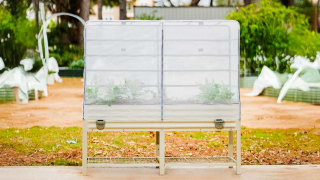
Having an unheated greenhouse can keep your garden productive even after the growing season for the outdoor garden. It won't stay warm enough for summer crops through every winter, but it can create a much more favorable environment for cold-hardy ones, leafy greens, and overwintering crops.
The key is understanding what your greenhouse can, and can't, protect them from. The best winter greenhouse crops include kale, spinach, arugula, Asian greens, radishes, and cilantro.
Here are some recommendations on what you can grow in an unheated greenhouse in winter, and how to get the most from your greenhouse when temperatures drop.
Grow Vegetables in an Unheated Greenhouse in Winter An unheated greenhouse can extend the growing season by protecting plants from wind, rain, snow, while capturing the sun’s heat during the day.
An unheated greenhouse can still freeze though. On a sunny wday, temperatures inside can rise above the outdoor temperature. After sunset, however, that stored heat gradually fades, and during a hard freeze, temperatures inside an unheated greenhouse can eventually fall below 32°F (0°C).
In many regions, an unheated greenhouse is a great option for keeping hardy vegetables alive and harvestable through winter, even when outdoor growing becomes hard.
10 Crops You Can Grow in an Unheated Greenhouse 1. Kale Kale is one of the best vegetables for an unheated winter greenhouse. It tolerates cold temperatures extremely well, and established plants can continue producing leaves when many warm-season crops have disappeared.
For the best results, plant kale early enough for it to become established before the coldest part of winter.
Best for: Continuous winter harvests
2. Spinach Spinach grows best in cool conditions and can tolerate frost once established. Growth will slow considerably as winter daylight decreases, but plants can remain alive and ready to harvest whenever new leaves develop.
A greenhouse can also protect spinach from harsh weather while allowing you to harvest fresh leaves throughout the colder months.
Best for: Winter salads and cooking
3. Lettuce Lettuce doesn't need summer heat to grow. Choose cold-tolerant varieties and give plants as much available light as possible.
In particularly cold climates, use frost cloth inside the greenhouse when temperatures are expected to fall sharply.
Best for: Winter salads
4. Arugula Arugula is a useful crop for winter because it grows relatively quickly and prefers cool temperatures. It can provide fresh leaves when your outdoor garden has largely stopped producing.
Harvest outer leaves regularly rather than waiting for the entire plant to mature. This gives you a longer harvest window from a relatively small amount of greenhouse space.
Best for: Quick winter greens
5. Swiss Chard Swiss chard can tolerate cool conditions and light frost, making it another useful greenhouse crop. It generally won't grow as quickly in the middle of winter as it does during the warmer months, but established plants can continue producing in many climates.
Best for: Long harvests and colorful greens
6. Asian Greens Bok choy, tatsoi, and other Asian greens can be excellent candidates for an unheated greenhouse. Many prefer cool temperatures and don't require the warmth needed by summer vegetables.
Best for: Cool-season growing and small spaces
8. Radishes Radishes are among the easiest root vegetables to grow in a greenhouse. They mature relatively quickly and don't require the long growing season that carrots or parsnips do.
Give them good light, loose soil, and reasonable moisture, and they can still provide useful harvests during the colder months.
Best for: Quick root crops
9. Carrots Carrots are well suited to cool-weather growing. In an unheated greenhouse, they can remain protected from harsh weather while developing slowly in cold soil.
Choose a container or bed with enough loose soil for the variety you're growing, particularly if you're growing long-rooted carrots.
Best for: Overwintering and late-season harvests
10. Cilantro Cilantro prefers cool weather and can be easier to manage in winter than during the heat of summer. Succession planting can help. Instead of sowing everything at once, start smaller batches at intervals appropriate for your climate.
Best for: Fresh winter herbs
What Should You Not Grow in an Unheated Greenhouse in Winter? An unheated greenhouse isn't the right environment for most warm-season crops once temperatures regularly approach freezing. These include tomatoes, peppers, cucumbers, okra, and basil.
A greenhouse can protect them from a light cold spell, but an unheated structure won't reliably maintain the temperatures they need throughout winter. If you want to grow warm-season crops during winter, you'll generally need a heated greenhouse and sufficient supplemental lighting.
How Cold Does an Unheated Greenhouse Get in Winter? There isn't one temperature that applies to every greenhouse. The nighttime temperature inside depends on outdoor temperatures, your greenhouse size, insulation, and how much sunlight is available.
On a sunny day, a greenhouse can become significantly warmer than the air outside. During a hard freeze, an unheated greenhouse may eventually reach freezing temperatures. That's why it's important to use an actual thermometer rather than assuming the greenhouse is warm enough.
Keeping an Unheated Greenhouse Warm In winter, focus on reducing heat loss and protecting the crops during the coldest periods in an unheated greenhouse.
1. Add Insulation Greenhouse insulation can reduce heat loss through the structure. Bubble insulation designed for greenhouse use can be particularly useful because it allows some light through while creating an additional insulating layer.
2. Use Thermal Mass
Objects that absorb heat during the day and release it slowly at night can help moderate temperature swings. Water-filled containers are a common example.
Place them where they receive sunlight during the day without blocking valuable light from plants.
3. Add Frost Covers A second layer of protection around individual plants can make a meaningful difference on cold nights. A greenhouse frost cover system can be especially useful when you want to protect specific plants without covering the entire structure.
Vego's Greenhouse Frost Cover System is designed for this type of additional protection.
4. Monitor the Temperature A basic minimum/maximum thermometer can tell you what your plants are actually experiencing. If temperatures regularly approach the tolerance limits of your crops, you can add another layer of protection before damage occurs.
Do You Need to Cover Plants Inside an Unheated Greenhouse? A greenhouse provides protection, but during a hard freeze, the temperature inside can still become cold enough to damage plants. If you're growing cold-hardy crops such as kale or spinach, they may tolerate the conditions without additional protection.
Think of it as using the greenhouse as the first layer of protection and frost cover as the second.
How Much Light Do Winter Greenhouse Plants Need? The days are shorter in winter and cloudy weather can reduce available light. Plants may survive cold temperatures but grow very slowly if they don't receive enough light.
Position crops where they receive as much natural winter sunlight as possible. For seedlings, herbs, or crops that need more light, supplemental grow lights can help. However, cold-hardy crops can often tolerate slower growth during the darkest part of the season.
How Often Should You Water an Unheated Greenhouse in Winter? Plants lose water more slowly when temperatures are low and growth has slowed, so you usually need to water less often than during summer.
Check the soil rather than watering according to a fixed schedule. The greenhouse may protect plants from rain, so containers and beds can still become dry even during a wet winter.
Water earlier in the day when possible so foliage and surfaces have time to dry before nighttime temperatures fall.
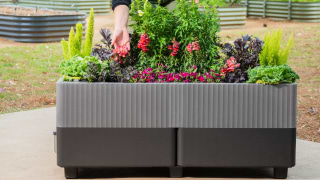
Can You Grow Vegetables in a Raised Bed Inside an Unheated Greenhouse? Combining a raised garden bed with a greenhouse can create a particularly useful winter growing environment. The raised bed gives you control over soil depth, drainage, and growing medium, while the greenhouse provides protection from weather.
This setup works particularly well for:
Kale
Spinach
Lettuce
Arugula
Asian greens
Carrots
A raised garden bed also makes it easy to install hoops or other supports for frost cloth. Vego Garden's raised beds can be used inside or alongside protected growing setups, giving you a durable growing framework that can be used season after season.
Can You Grow Seeds in an Unheated Greenhouse in Winter? Seeds need appropriate temperature and moisture conditions to germinate, and many vegetable seeds germinate poorly when the soil is too cold. For reliable winter seed starting, an indoor growing setup may be more practical.
Once seedlings are established, you can gradually transition suitable crops into the greenhouse. This is where a combination of indoor seed starting, grow lights , and using a greenhouse can give you more control over the transition from winter to spring.
How to Prepare an Unheated Greenhouse for Winter Before temperatures drop, give your greenhouse a quick inspection, and prepare accordingly.
Clean the Glazing Remove dirt, algae, and debris that can reduce winter light.
Check the Structure Look for damaged panels, loose hardware, or gaps.
Inspect Doors and Vents Make sure they open and close properly.
Check Drainage and Irrigation Winter rain and snow can create drainage problems if water has nowhere to go. Drain or protect components that aren't designed for freezing temperatures.
Add Frost Protection Have frost cloth or another protective system ready before the first major cold snap.
Is an Unheated Greenhouse Worth It for Winter Gardening? For many gardeners, it’s worth the investment, allowing them to extend the productive season and protect crops that would otherwise be exposed to harsh outdoor conditions.
A greenhouse can give you more growing days, protection from frost and wind, a controlled growing environment, and earlier spring planting. The value increases when you use the structure across multiple seasons instead of treating it as a growing space only for summer.
Frequently Asked Questions About Growing in an Unheated Greenhouse What can you grow in an unheated greenhouse in winter? Cold-hardy vegetables and herbs are the best choices. Kale, spinach, lettuce, arugula, Asian greens, Swiss chard, carrots, radishes, beets, turnips, green onions, parsley, cilantro, and mâche are all potential winter crops.
Can vegetables grow in an unheated greenhouse during winter? Yes. Cold-tolerant vegetables can survive and, depending on the climate and available light, continue growing in an unheated greenhouse during winter. Growth will usually slow as temperatures and daylight decrease.
Will an unheated greenhouse protect plants from frost? It can reduce exposure to frost, but it does not guarantee frost-free temperatures. An unheated greenhouse can still fall below 32°F (0°C) during a hard freeze. Additional frost protection may be necessary.
What is the best vegetable to grow in an unheated greenhouse in winter? Kale and spinach are among the best choices because they tolerate cold well. Lettuce, arugula, Asian greens, carrots, radishes, and other cool-season crops are also good options.
Can I grow tomatoes in an unheated greenhouse in winter? Usually not in climates that experience freezing temperatures. Tomatoes are highly sensitive to cold and require much warmer conditions than most winter vegetables. A heated greenhouse and supplemental lighting may be needed for reliable winter tomato production.
Can I grow lettuce in an unheated greenhouse in winter? Yes. Lettuce is well suited to cool conditions and can be a good winter greenhouse crop. Choose cold-tolerant varieties and provide additional protection if severe freezing is expected.
How cold is too cold for an unheated greenhouse? There is no single temperature that applies to every crop. An unheated greenhouse can fall below freezing during a hard freeze. The important question is whether the nighttime temperature remains within the tolerance range of the crops you're growing.
Should I use frost cloth inside an unheated greenhouse? Frost cloth can provide an additional layer of protection when temperatures are expected to fall sharply. It's particularly useful for crops that are less cold-tolerant than kale, spinach, and other hardy vegetables.
How do I keep an unheated greenhouse warm at night? Reduce unnecessary heat loss, use appropriate greenhouse insulation, add thermal mass, seal unwanted drafts, and use frost covers around vulnerable plants. In very cold climates, supplemental heat may be necessary.
How often should I water plants in an unheated greenhouse in winter? Check the soil rather than following a fixed schedule. Plants generally need less water when temperatures are low and growth slows, but greenhouse crops can still dry out because they are protected from winter rain.
Can I grow vegetables in raised beds inside a greenhouse? Yes. Raised beds can work particularly well inside a greenhouse because they provide controlled soil depth, drainage, and growing space. They're well suited to winter crops such as kale, spinach, lettuce, carrots, and radishes.
How do I prepare my greenhouse for winter? Clean the glazing, inspect the structure, check doors and vents, confirm drainage, protect irrigation components from freezing, monitor nighttime temperatures, and have frost protection ready before severe weather arrives.
Final Thoughts An unheated greenhouse can do much more in winter than simply sit empty. It can keep kale, spinach, Asian greens, root vegetables, and herbs protected and available when outdoor gardening becomes difficult.
Choose crops that tolerate cold. Give them as much light as possible. Keep soil well drained. Water carefully. Protect plants when hard freezes are coming. Sometimes the biggest advantage is simply creating a protected space where hardy crops can survive, and get a head start on spring.
Alfons C. from Vego Garden
Alfons is an experienced copywriting and marketing expert. He also managed creative campaigns for advertising agencies and renowned brands. He is a graduate of Goldsmiths College, University of London, and originally from Vancouver, Canada.
Get A 5% OFF + Free Shipping*
Be the first to know about our discounts, and get $15 off your next order of $199 + free shipping
Get Your Coupon
Please enable JavaScript to view the
comments powered by Disqus.
Alfons C. from Vego Garden
Alfons is an experienced copywriting and marketing expert. He also managed creative campaigns for advertising agencies and renowned brands. He is a graduate of Goldsmiths College, University of London, and originally from Vancouver, Canada.
Get A 5% OFF + Free Shipping*
Be the first to know about our discounts, and get $15 off your next order of $199 + free shipping
Get Your Coupon
{"39495389741091":{"discounted":true,"percent":true},"39495389773859":{"discounted":true,"percent":true},"39495389806627":{"discounted":true,"percent":true},"39495389839395":{"discounted":true,"percent":true},"39458935832611":{"discounted":true,"percent":true},"39458935767075":{"discounted":true,"percent":true},"39458935865379":{"discounted":true,"percent":true},"39458935799843":{"discounted":true,"percent":true},"39903465013283":{"discounted":true,"percent":true},"39903480250403":{"discounted":true,"percent":true},"39903467896867":{"discounted":true,"percent":true},"39903467962403":{"discounted":true,"percent":true},"39903467995171":{"discounted":true,"percent":true},"39903467929635":{"discounted":true,"percent":true},"39458936389667":{"discounted":true,"percent":true},"39458936324131":{"discounted":true,"percent":true},"39458936422435":{"discounted":true,"percent":true},"39458936356899":{"discounted":true,"percent":true},"33028107501603":{"discounted":true,"percent":true},"39279009136675":{"discounted":true,"percent":true},"39279009169443":{"discounted":true,"percent":true},"33028107534371":{"discounted":true,"percent":true},"40149904130083":{"discounted":true,"percent":true},"40157716578339":{"discounted":true,"percent":true},"40229600591907":{"discounted":true,"percent":true},"33028104650787":{"discounted":true,"percent":true},"39279430959139":{"discounted":true,"percent":true},"33028104683555":{"discounted":true,"percent":true},"39279430893603":{"discounted":true,"percent":true},"40149955215395":{"discounted":true,"percent":true},"40157728243747":{"discounted":true,"percent":true},"40231723794467":{"discounted":true,"percent":true},"39903477334051":{"discounted":true,"percent":true},"39302886096931":{"discounted":true,"percent":true},"39302886031395":{"discounted":true,"percent":true},"39302885998627":{"discounted":true,"percent":true},"39302886064163":{"discounted":true,"percent":true},"39457200799779":{"discounted":true,"percent":true},"39457200734243":{"discounted":true,"percent":true},"39457200832547":{"discounted":true,"percent":true},"39457200767011":{"discounted":true,"percent":true},"39903460065315":{"discounted":true,"percent":true},"33018842087459":{"discounted":true,"percent":true},"39279001403427":{"discounted":true,"percent":true},"33018842120227":{"discounted":true,"percent":true},"39278877605923":{"discounted":true,"percent":true},"40149905244195":{"discounted":true,"percent":true},"40157718347811":{"discounted":true,"percent":true},"39948202377251":{"discounted":true,"percent":true},"39948202410019":{"discounted":true,"percent":true},"39948202311715":{"discounted":true,"percent":true},"39948202344483":{"discounted":true,"percent":true},"39253770141731":{"discounted":true,"percent":true},"39253770174499":{"discounted":true,"percent":true},"39253770240035":{"discounted":true,"percent":true},"39253770207267":{"discounted":true,"percent":true},"39490596012067":{"discounted":true,"percent":true},"39490596044835":{"discounted":true,"percent":true},"39490595979299":{"discounted":true,"percent":true},"39490595946531":{"discounted":true,"percent":true},"40149985001507":{"discounted":true,"percent":true},"40157713072163":{"discounted":true,"percent":true},"33042263932963":{"discounted":true,"percent":true},"33042263965731":{"discounted":true,"percent":true},"39278875476003":{"discounted":true,"percent":true},"39279009792035":{"discounted":true,"percent":true},"40149988737059":{"discounted":true,"percent":true},"40157717430307":{"discounted":true,"percent":true},"40538642743331":{"discounted":true,"percent":true},"32893235068963":{"discounted":true,"percent":true},"39359510183971":{"discounted":true,"percent":true},"39359510380579":{"discounted":true,"percent":true},"39359509626915":{"discounted":true,"percent":true},"39302847758371":{"discounted":true,"percent":true},"33033504161827":{"discounted":true,"percent":true},"39302847266851":{"discounted":true,"percent":true},"39302847528995":{"discounted":true,"percent":true},"39458927509539":{"discounted":true,"percent":true},"39458927444003":{"discounted":true,"percent":true},"39458927542307":{"discounted":true,"percent":true},"39458927476771":{"discounted":true,"percent":true},"39457181958179":{"discounted":true,"percent":true},"39457181892643":{"discounted":true,"percent":true},"39457181990947":{"discounted":true,"percent":true},"39457181925411":{"discounted":true,"percent":true},"33042261409827":{"discounted":true,"percent":true},"33042261442595":{"discounted":true,"percent":true},"39279010742307":{"discounted":true,"percent":true},"39279010709539":{"discounted":true,"percent":true},"40149986869283":{"discounted":true,"percent":true},"40157715529763":{"discounted":true,"percent":true},"40538642415651":{"discounted":true,"percent":true},"33031990509603":{"discounted":true,"percent":true},"33031990542371":{"discounted":true,"percent":true},"39279016345635":{"discounted":true,"percent":true},"39279016476707":{"discounted":true,"percent":true},"40149997027363":{"discounted":true,"percent":true},"40157720936483":{"discounted":true,"percent":true},"39887154577443":{"discounted":true,"percent":true},"39593915875363":{"discounted":true,"percent":true},"39593915908131":{"discounted":true,"percent":true},"39593953296419":{"discounted":true,"percent":true},"39593953329187":{"discounted":true,"percent":true},"39612941565987":{"discounted":true,"percent":true},"39917388333091":{"discounted":true,"percent":true},"39917388365859":{"discounted":true,"percent":true},"39917390135331":{"discounted":true,"percent":true},"39917390168099":{"discounted":true,"percent":true},"39913389490211":{"discounted":true,"percent":true},"39917388398627":{"discounted":true,"percent":true},"39917388431395":{"discounted":true,"percent":true},"39917390200867":{"discounted":true,"percent":true},"40612116004899":{"discounted":true,"percent":true},"40612116037667":{"discounted":true,"percent":true},"39913593077795":{"discounted":true,"percent":true,"caCompareAtPrice":6895},"39913593110563":{"discounted":true,"percent":true,"caCompareAtPrice":11895},"39913593143331":{"discounted":true,"percent":true,"caCompareAtPrice":19595},"39917346193443":{"discounted":true,"percent":true,"caCompareAtPrice":31795},"39663128346659":{"discounted":true,"percent":true},"39663128379427":{"discounted":true,"percent":true},"39922332631075":{"discounted":true,"percent":true},"39922332663843":{"discounted":true,"percent":true},"39922340003875":{"discounted":true,"percent":true,"caCompareAtPrice":11095},"39922340036643":{"discounted":true,"percent":true},"39922340069411":{"discounted":true,"percent":true},"39705961496611":{"discounted":true,"percent":true,"caCompareAtPrice":4195},"39705961529379":{"discounted":true,"percent":true,"caCompareAtPrice":5595},"39705961562147":{"discounted":true,"percent":true,"caCompareAtPrice":8295},"39926582870051":{"discounted":true,"percent":true,"caCompareAtPrice":13794.999999999998},"39869961764899":{"discounted":true,"percent":true},"39869961797667":{"discounted":true,"percent":true},"39869961830435":{"discounted":true,"percent":true},"39936031031331":{"discounted":true,"percent":true},"39705945800739":{"discounted":true,"percent":true,"caCompareAtPrice":9695},"39705945767971":{"discounted":true,"percent":true,"caCompareAtPrice":6895},"39705945833507":{"discounted":true,"percent":true,"caCompareAtPrice":13794.999999999998},"39917346848803":{"discounted":true,"percent":true,"caCompareAtPrice":21995},"40006276382755":{"discounted":true,"percent":true},"40006276546595":{"discounted":true,"percent":true},"40006276775971":{"discounted":true,"percent":true},"40006276939811":{"discounted":true,"percent":true},"40024456036387":{"discounted":true,"percent":true},"40024461049891":{"discounted":true,"percent":true},"40021598797859":{"discounted":true,"percent":true},"40039271923747":{"discounted":true,"percent":true},"40039271956515":{"discounted":true,"percent":true},"40039271989283":{"discounted":true,"percent":true},"40039272022051":{"discounted":true,"percent":true},"40049744576547":{"discounted":true,"percent":true},"40049744609315":{"discounted":true,"percent":true},"40163199975459":{"discounted":true,"percent":true},"40163200008227":{"discounted":true,"percent":true},"40163199942691":{"discounted":true,"percent":true},"40201956589603":{"discounted":true,"percent":true},"40201956622371":{"discounted":true,"percent":true},"40195291480099":{"discounted":true,"percent":true},"40202236526627":{"discounted":true,"percent":true},"40202236559395":{"discounted":true,"percent":true},"40196235591715":{"discounted":true,"percent":true},"40202232037411":{"discounted":true,"percent":true},"40202232070179":{"discounted":true,"percent":true},"40195093495843":{"discounted":true,"percent":true},"40202231152675":{"discounted":true,"percent":true},"40202231185443":{"discounted":true,"percent":true},"40195095560227":{"discounted":true,"percent":true},"40202231447587":{"discounted":true,"percent":true},"40202231480355":{"discounted":true,"percent":true},"40195099328547":{"discounted":true,"percent":true},"40202229121059":{"discounted":true,"percent":true},"40195099688995":{"discounted":true,"percent":true},"40202233937955":{"discounted":true,"percent":true},"40195346268195":{"discounted":true,"percent":true},"40202236657699":{"discounted":true,"percent":true},"40202236690467":{"discounted":true,"percent":true},"40195281846307":{"discounted":true,"percent":true},"40202235969571":{"discounted":true,"percent":true},"40202236002339":{"discounted":true,"percent":true},"40682906943523":{"discounted":true,"percent":true},"40682907009059":{"discounted":true,"percent":true},"40682906976291":{"discounted":true,"percent":true},"40233730211875":{"discounted":true,"percent":true},"40233733259299":{"discounted":true,"percent":true},"40233729851427":{"discounted":true,"percent":true},"40233700491299":{"discounted":true,"percent":true},"40233701376035":{"discounted":true,"percent":true},"40233729753123":{"discounted":true,"percent":true},"40227788619811":{"discounted":true,"percent":true},"40233730801699":{"discounted":true,"percent":true},"40233696165923":{"discounted":true,"percent":true},"40233691807779":{"discounted":true,"percent":true},"40233733750819":{"discounted":true,"percent":true},"40233731817507":{"discounted":true,"percent":true},"40233730277411":{"discounted":true,"percent":true},"40233734209571":{"discounted":true,"percent":true},"40233730768931":{"discounted":true,"percent":true},"40233733685283":{"discounted":true,"percent":true},"40233733554211":{"discounted":true,"percent":true},"40233782771747":{"discounted":true,"percent":true},"40233733062691":{"discounted":true,"percent":true},"40233722839075":{"discounted":true,"percent":true},"40233732341795":{"discounted":true,"percent":true},"40233782804515":{"discounted":true,"percent":true},"40233745481763":{"discounted":true,"percent":true},"40233782706211":{"discounted":true,"percent":true},"40233776906275":{"discounted":true,"percent":true},"40233737584675":{"discounted":true,"percent":true},"40233779920931":{"discounted":true,"percent":true},"40233701146659":{"discounted":true,"percent":true},"40233730965539":{"discounted":true,"percent":true},"40233733914659":{"discounted":true,"percent":true},"40233698492451":{"discounted":true,"percent":true},"40233720774691":{"discounted":true,"percent":true},"40233698164771":{"discounted":true,"percent":true},"40233707372579":{"discounted":true,"percent":true},"40233730506787":{"discounted":true,"percent":true},"40186969849891":{"discounted":true,"percent":true,"caCompareAtPrice":6895},"40186969882659":{"discounted":true,"percent":true,"caCompareAtPrice":9695},"40186969915427":{"discounted":true,"percent":true,"caCompareAtPrice":12395},"40186969948195":{"discounted":true,"percent":true,"caCompareAtPrice":15194.999999999998},"39647044567075":{"discounted":true,"percent":true},"39647044599843":{"discounted":true,"percent":true},"40189384491043":{"discounted":true,"percent":true},"40189384523811":{"discounted":true,"percent":true},"40189384556579":{"discounted":true,"percent":true},"40189384589347":{"discounted":true,"percent":true},"40209225613347":{"discounted":true,"percent":true,"caCompareAtPrice":5595},"40251254702115":{"discounted":true,"percent":true},"40251276525603":{"discounted":true,"percent":true},"40251255128099":{"discounted":true,"percent":true},"40251276197923":{"discounted":true,"percent":true},"40251255160867":{"discounted":true,"percent":true},"40251276230691":{"discounted":true,"percent":true},"40251255193635":{"discounted":true,"percent":true},"40251276263459":{"discounted":true,"percent":true},"40246461792291":{"discounted":true,"percent":true},"40246461759523":{"discounted":true,"percent":true},"40327621640227":{"discounted":true,"percent":true},"40329419194403":{"discounted":true,"percent":true},"40329419227171":{"discounted":true,"percent":true},"40329419259939":{"discounted":true,"percent":true},"40327767064611":{"discounted":true,"percent":true},"40313739903011":{"discounted":true,"percent":true},"40313740165155":{"discounted":true,"percent":true},"40313740197923":{"discounted":true,"percent":true},"40313730367523":{"discounted":true,"percent":true},"40313730498595":{"discounted":true,"percent":true},"40313739411491":{"discounted":true,"percent":true},"40313739444259":{"discounted":true,"percent":true},"40328147238947":{"discounted":true,"percent":true},"40328129282083":{"discounted":true,"percent":true},"40328147075107":{"discounted":true,"percent":true},"40328146747427":{"discounted":true,"percent":true},"40376049893411":{"discounted":true,"percent":true},"40376049926179":{"discounted":true,"percent":true},"40376049958947":{"discounted":true,"percent":true},"40331197972515":{"discounted":true,"percent":true},"40376060149795":{"discounted":true,"percent":true},"40331071422499":{"discounted":true,"percent":true},"40092513566755":{"discounted":true,"percent":true},"40446144512035":{"discounted":true,"percent":true},"40446144544803":{"discounted":true,"percent":true},"40446144577571":{"discounted":true,"percent":true},"40446144610339":{"discounted":true,"percent":true},"40446144643107":{"discounted":true,"percent":true},"40446144675875":{"discounted":true,"percent":true},"40446145757219":{"discounted":true,"percent":true},"40446146412579":{"discounted":true,"percent":true},"40446145298467":{"discounted":true,"percent":true},"40453863473187":{"discounted":true,"percent":true},"40295020199971":{"discounted":true,"percent":true},"40454193971235":{"discounted":true,"percent":true},"40454190759971":{"discounted":true,"percent":true},"40481364148259":{"discounted":true,"percent":true},"40481363853347":{"discounted":true,"percent":true},"40481363755043":{"discounted":true,"percent":true},"40481362837539":{"discounted":true,"percent":true},"40481363623971":{"discounted":true,"percent":true},"40481363460131":{"discounted":true,"percent":true},"40481363132451":{"discounted":true,"percent":true},"40481363394595":{"discounted":true,"percent":true},"40481363066915":{"discounted":true,"percent":true},"40481362739235":{"discounted":true,"percent":true},"40481363230755":{"discounted":true,"percent":true},"40481363296291":{"discounted":true,"percent":true},"40481362935843":{"discounted":true,"percent":true},"40481362149411":{"discounted":true,"percent":true},"40481363787811":{"discounted":true,"percent":true},"40481363492899":{"discounted":true,"percent":true},"40481363427363":{"discounted":true,"percent":true},"40481363558435":{"discounted":true,"percent":true},"40481363165219":{"discounted":true,"percent":true},"40481363001379":{"discounted":true,"percent":true},"40481363099683":{"discounted":true,"percent":true},"40481363263523":{"discounted":true,"percent":true},"40481362673699":{"discounted":true,"percent":true},"40481362608163":{"discounted":true,"percent":true},"40481363034147":{"discounted":true,"percent":true},"40481362477091":{"discounted":true,"percent":true},"40481362542627":{"discounted":true,"percent":true},"40481362870307":{"discounted":true,"percent":true},"40481362575395":{"discounted":true,"percent":true},"40481362903075":{"discounted":true,"percent":true},"40481362378787":{"discounted":true,"percent":true},"40481362411555":{"discounted":true,"percent":true},"40481362772003":{"discounted":true,"percent":true},"40481362116643":{"discounted":true,"percent":true},"40481362804771":{"discounted":true,"percent":true},"40481363197987":{"discounted":true,"percent":true},"40481363361827":{"discounted":true,"percent":true},"40481362247715":{"discounted":true,"percent":true},"40481362346019":{"discounted":true,"percent":true},"40481362509859":{"discounted":true,"percent":true},"40481362083875":{"discounted":true,"percent":true},"40481362018339":{"discounted":true,"percent":true},"40481362051107":{"discounted":true,"percent":true},"40481362182179":{"discounted":true,"percent":true},"40481362280483":{"discounted":true,"percent":true},"40481361756195":{"discounted":true,"percent":true},"40481361985571":{"discounted":true,"percent":true},"40481361952803":{"discounted":true,"percent":true},"40481361920035":{"discounted":true,"percent":true},"40481361854499":{"discounted":true,"percent":true},"40481361821731":{"discounted":true,"percent":true},"40481361625123":{"discounted":true,"percent":true},"40481361887267":{"discounted":true,"percent":true},"40481361690659":{"discounted":true,"percent":true},"40481361723427":{"discounted":true,"percent":true},"40481361526819":{"discounted":true,"percent":true},"39567814754339":{"discounted":true,"percent":true},"39567814688803":{"discounted":true,"percent":true},"39567814623267":{"discounted":true,"percent":true},"39567814557731":{"discounted":true,"percent":true},"39567814721571":{"discounted":true,"percent":true},"39567814656035":{"discounted":true,"percent":true},"39567814590499":{"discounted":true,"percent":true},"39567814524963":{"discounted":true,"percent":true},"40186969653283":{"discounted":true,"percent":true},"40186969686051":{"discounted":true,"percent":true},"39567815409699":{"discounted":true,"percent":true},"40135922253859":{"discounted":true,"percent":true},"39567815475235":{"discounted":true,"percent":true},"39567815737379":{"discounted":true,"percent":true},"39567815573539":{"discounted":true,"percent":true},"39567815376931":{"discounted":true,"percent":true},"39567815540771":{"discounted":true,"percent":true},"39567815639075":{"discounted":true,"percent":true},"39567815606307":{"discounted":true,"percent":true},"39567815704611":{"discounted":true,"percent":true},"39567815508003":{"discounted":true,"percent":true},"39567815671843":{"discounted":true,"percent":true},"39567815442467":{"discounted":true,"percent":true},"39569217355811":{"discounted":true,"percent":true},"40313706414115":{"discounted":true,"percent":true},"40497627332643":{"discounted":true,"percent":true},"40313682395171":{"discounted":true,"percent":true},"40497627365411":{"discounted":true,"percent":true},"40313706381347":{"discounted":true,"percent":true},"40497627398179":{"discounted":true,"percent":true},"40561018994723":{"discounted":true,"percent":true},"40561019027491":{"discounted":true,"percent":true},"40561019060259":{"discounted":true,"percent":true},"40313682591779":{"discounted":true,"percent":true},"40497628184611":{"discounted":true,"percent":true},"40313682296867":{"discounted":true,"percent":true},"40497628217379":{"discounted":true,"percent":true},"40313682559011":{"discounted":true,"percent":true},"40497628250147":{"discounted":true,"percent":true},"40561019551779":{"discounted":true,"percent":true},"40561019584547":{"discounted":true,"percent":true},"40561019617315":{"discounted":true,"percent":true},"40503763370019":{"discounted":true,"percent":true},"40503763435555":{"discounted":true,"percent":true},"40503772610595":{"discounted":true,"percent":true},"40503766024227":{"discounted":true,"percent":true},"40837297242147":{"discounted":true,"percent":true},"40837297274915":{"discounted":true,"percent":true},"40837297307683":{"discounted":true,"percent":true},"40837297340451":{"discounted":true,"percent":true},"40837297373219":{"discounted":true,"percent":true},"40837297405987":{"discounted":true,"percent":true},"40503797743651":{"discounted":true,"percent":true},"40503800135715":{"discounted":true,"percent":true},"40516735467555":{"discounted":true,"percent":true},"40516658266147":{"discounted":true,"percent":true},"40516558389283":{"discounted":true,"percent":true},"40516773576739":{"discounted":true,"percent":true},"40837258412067":{"discounted":true,"percent":true},"40837258444835":{"discounted":true,"percent":true},"40837258477603":{"discounted":true,"percent":true},"40837258510371":{"discounted":true,"percent":true},"40837258543139":{"discounted":true,"percent":true},"40837258575907":{"discounted":true,"percent":true},"40837258608675":{"discounted":true,"percent":true},"40837258641443":{"discounted":true,"percent":true},"40837258674211":{"discounted":true,"percent":true},"40519099252771":{"discounted":true,"percent":true},"40528983392291":{"discounted":true,"percent":true},"40528983425059":{"discounted":true,"percent":true},"40528983457827":{"discounted":true,"percent":true},"40528983490595":{"discounted":true,"percent":true},"40528983523363":{"discounted":true,"percent":true},"40528983556131":{"discounted":true,"percent":true},"40528983588899":{"discounted":true,"percent":true},"40528983621667":{"discounted":true,"percent":true},"40528983654435":{"discounted":true,"percent":true},"39900463038499":{"discounted":true,"percent":true},"39900463005731":{"discounted":true,"percent":true},"40169091399715":{"discounted":true,"percent":true},"40169091596323":{"discounted":true,"percent":true},"40169091432483":{"discounted":true,"percent":true},"40169091465251":{"discounted":true,"percent":true},"40169091498019":{"discounted":true,"percent":true},"40169091530787":{"discounted":true,"percent":true},"40169091563555":{"discounted":true,"percent":true},"40134039535651":{"discounted":true,"percent":true},"40134039568419":{"discounted":true,"percent":true},"40134039601187":{"discounted":true,"percent":true},"40134039633955":{"discounted":true,"percent":true},"40134039666723":{"discounted":true,"percent":true},"40134039699491":{"discounted":true,"percent":true},"40134039732259":{"discounted":true,"percent":true},"40134039765027":{"discounted":true,"percent":true},"40134039797795":{"discounted":true,"percent":true},"40134039830563":{"discounted":true,"percent":true},"40134039863331":{"discounted":true,"percent":true},"40134039896099":{"discounted":true,"percent":true},"40134039928867":{"discounted":true,"percent":true},"40528971399203":{"discounted":true,"percent":true},"40468308459555":{"discounted":true,"percent":true},"40528971431971":{"discounted":true,"percent":true},"40528971464739":{"discounted":true,"percent":true},"40528971497507":{"discounted":true,"percent":true},"40528971530275":{"discounted":true,"percent":true},"40528971563043":{"discounted":true,"percent":true},"40528971595811":{"discounted":true,"percent":true},"40528971628579":{"discounted":true,"percent":true},"40549336219683":{"discounted":true,"percent":true},"40549336252451":{"discounted":true,"percent":true},"40549336285219":{"discounted":true,"percent":true},"40549336317987":{"discounted":true,"percent":true},"40549378818083":{"discounted":true,"percent":true},"40549378850851":{"discounted":true,"percent":true},"40549378883619":{"discounted":true,"percent":true},"40549372657699":{"discounted":true,"percent":true},"40549372690467":{"discounted":true,"percent":true},"40549372723235":{"discounted":true,"percent":true},"40443932246051":{"discounted":true,"percent":true},"40443932278819":{"discounted":true,"percent":true},"40443932311587":{"discounted":true,"percent":true},"40443932344355":{"discounted":true,"percent":true},"40443932377123":{"discounted":true,"percent":true},"40443932409891":{"discounted":true,"percent":true},"40443932442659":{"discounted":true,"percent":true},"40170791239715":{"discounted":true,"percent":true},"40411875770403":{"discounted":true,"percent":true},"40330991534115":{"discounted":true,"percent":true},"40558101069859":{"discounted":true,"percent":true},"40558101102627":{"discounted":true,"percent":true},"40558092910627":{"discounted":true,"percent":true},"40558092943395":{"discounted":true,"percent":true},"40558403813411":{"discounted":true,"percent":true},"40557999259683":{"discounted":true,"percent":true},"40557999292451":{"discounted":true,"percent":true},"40558401028131":{"discounted":true,"percent":true},"40558003453987":{"discounted":true,"percent":true},"40558003486755":{"discounted":true,"percent":true},"40558000570403":{"discounted":true,"percent":true},"40558000603171":{"discounted":true,"percent":true},"40558401585187":{"discounted":true,"percent":true},"40558002896931":{"discounted":true,"percent":true},"40558002929699":{"discounted":true,"percent":true},"40558402306083":{"discounted":true,"percent":true},"40561551474723":{"discounted":true,"percent":true},"40561551507491":{"discounted":true,"percent":true},"40561551540259":{"discounted":true,"percent":true},"40561551573027":{"discounted":true,"percent":true},"40561551605795":{"discounted":true,"percent":true},"40561551638563":{"discounted":true,"percent":true},"40561553047587":{"discounted":true,"percent":true},"40561553080355":{"discounted":true,"percent":true},"40561553113123":{"discounted":true,"percent":true},"40561553145891":{"discounted":true,"percent":true},"40561553178659":{"discounted":true,"percent":true},"40561553211427":{"discounted":true,"percent":true},"40561568907299":{"discounted":true,"percent":true},"40561568940067":{"discounted":true,"percent":true},"40561568972835":{"discounted":true,"percent":true},"40561569005603":{"discounted":true,"percent":true},"40561569038371":{"discounted":true,"percent":true},"40561569071139":{"discounted":true,"percent":true},"40563230277667":{"discounted":true,"percent":true},"40563230310435":{"discounted":true,"percent":true},"40565181120547":{"discounted":true,"percent":true},"40565181153315":{"discounted":true,"percent":true},"40565181186083":{"discounted":true,"percent":true},"40565200617507":{"discounted":true,"percent":true},"40565200650275":{"discounted":true,"percent":true},"40565200683043":{"discounted":true,"percent":true},"40565234008099":{"discounted":true,"percent":true},"40565234040867":{"discounted":true,"percent":true},"40565234073635":{"discounted":true,"percent":true},"40565244035107":{"discounted":true,"percent":true},"40565244067875":{"discounted":true,"percent":true},"40565244100643":{"discounted":true,"percent":true},"40575683362851":{"discounted":true,"percent":true},"40579370188835":{"discounted":true},"40575663898659":{"discounted":true,"percent":true},"40579374415907":{"discounted":true,"percent":true},"40769353809955":{"discounted":true,"percent":true},"40582727073827":{"discounted":true,"percent":true},"40582727106595":{"discounted":true,"percent":true},"40769354760227":{"discounted":true,"percent":true},"40585940041763":{"discounted":true,"percent":true},"40585940074531":{"discounted":true,"percent":true},"40770454126627":{"discounted":true,"percent":true},"40770454159395":{"discounted":true,"percent":true},"40837276827683":{"discounted":true,"percent":true},"40837276860451":{"discounted":true,"percent":true},"40837276893219":{"discounted":true,"percent":true},"40837276925987":{"discounted":true,"percent":true},"40837276958755":{"discounted":true,"percent":true},"40837276991523":{"discounted":true,"percent":true},"40837277024291":{"discounted":true,"percent":true},"40837277057059":{"discounted":true,"percent":true},"40837277089827":{"discounted":true,"percent":true},"40600751374371":{"discounted":true,"percent":true},"40600751407139":{"discounted":true,"percent":true},"40577987444771":{"discounted":true,"percent":true},"40577987412003":{"discounted":true,"percent":true},"40577987346467":{"discounted":true,"percent":true},"40577987510307":{"discounted":true,"percent":true},"40577987379235":{"discounted":true,"percent":true},"40577987477539":{"discounted":true,"percent":true},"40575684771875":{"discounted":true,"percent":true},"40575684083747":{"discounted":true},"40575684116515":{"discounted":true},"40575686115363":{"discounted":true,"percent":true},"40575684902947":{"discounted":true,"percent":true},"40575684968483":{"discounted":true,"percent":true},"40624748527651":{"discounted":true,"percent":true},"40624748560419":{"discounted":true,"percent":true},"40623599976483":{"discounted":true,"percent":true},"40623600009251":{"discounted":true,"percent":true},"40623600042019":{"discounted":true,"percent":true},"40623600074787":{"discounted":true,"percent":true},"40603450048547":{"discounted":true,"percent":true},"40603450081315":{"discounted":true,"percent":true},"40603450114083":{"discounted":true,"percent":true},"40632770887715":{"discounted":true},"40632770920483":{"discounted":true},"40632770953251":{"discounted":true},"40632776785955":{"discounted":true},"40632776851491":{"discounted":true},"40632776917027":{"discounted":true},"41890808201251":{"discounted":true},"41890808234019":{"discounted":true},"41890808266787":{"discounted":true},"40674028159011":{"discounted":true},"40674028191779":{"discounted":true},"40674588459043":{"discounted":true},"40674588491811":{"discounted":true},"40674028814371":{"discounted":true},"40674028847139":{"discounted":true},"40674588819491":{"discounted":true},"40674588852259":{"discounted":true},"40674511257635":{"discounted":true},"40674511290403":{"discounted":true},"40674511323171":{"discounted":true},"40674511355939":{"discounted":true},"40674512240675":{"discounted":true},"40674512273443":{"discounted":true},"40674512306211":{"discounted":true},"40674512338979":{"discounted":true},"40482229747747":{"discounted":true},"40696809914403":{"discounted":true},"40700910632995":{"discounted":true},"40700910665763":{"discounted":true},"40700910698531":{"discounted":true},"40700910731299":{"discounted":true},"40700910764067":{"discounted":true},"40700910796835":{"discounted":true},"40700901687331":{"discounted":true},"40700901720099":{"discounted":true},"40707472588835":{"discounted":true},"40707472982051":{"discounted":true},"40706641362979":{"discounted":true},"40721328013347":{"discounted":true},"40713409396771":{"discounted":true},"40713409429539":{"discounted":true},"40724032421923":{"discounted":true},"40724032454691":{"discounted":true},"40724032487459":{"discounted":true},"40724020068387":{"discounted":true},"40724020101155":{"discounted":true},"40734272094243":{"discounted":true},"40734272127011":{"discounted":true},"40734272258083":{"discounted":true},"40734272323619":{"discounted":true},"40734272389155":{"discounted":true},"40740311695395":{"discounted":true},"40740311728163":{"discounted":true},"40740035330083":{"discounted":true},"40740035362851":{"discounted":true},"40740035395619":{"discounted":true},"40740022124579":{"discounted":true,"percent":true},"40740022157347":{"discounted":true,"percent":true},"40740022190115":{"discounted":true,"percent":true},"40740022222883":{"discounted":true,"percent":true},"40740022255651":{"discounted":true,"percent":true},"40740022288419":{"discounted":true,"percent":true},"40740016554019":{"discounted":true},"40740007182371":{"discounted":true},"40740007215139":{"discounted":true},"40740007247907":{"discounted":true},"40740007280675":{"discounted":true},"40739982180387":{"discounted":true,"percent":true},"40739982213155":{"discounted":true,"percent":true},"40739982245923":{"discounted":true,"percent":true},"40739982311459":{"discounted":true,"percent":true},"40739974414371":{"discounted":true},"40744601878563":{"discounted":true},"40744601911331":{"discounted":true},"40744601944099":{"discounted":true},"40739965370403":{"discounted":true},"40739943874595":{"discounted":true},"40739943907363":{"discounted":true},"40739912220707":{"discounted":true},"40739912253475":{"discounted":true},"40739912286243":{"discounted":true},"40739912319011":{"discounted":true},"40739912351779":{"discounted":true},"40739912384547":{"discounted":true},"40739912417315":{"discounted":true},"40739888529443":{"discounted":true},"40738045657123":{"discounted":true},"40738045689891":{"discounted":true,"caCompareAtPrice":56195.00000000001},"40738045722659":{"discounted":true},"40746867654691":{"discounted":true},"40746867687459":{"discounted":true},"40746867720227":{"discounted":true},"40746867752995":{"discounted":true},"40749252378659":{"discounted":true},"40749308543011":{"discounted":true},"40749726498851":{"discounted":true},"40749727154211":{"discounted":true},"40749728301091":{"discounted":true},"40752536944675":{"discounted":true},"40752536977443":{"discounted":true},"40752537075747":{"discounted":true},"40752537010211":{"discounted":true},"40752554475555":{"discounted":true},"40752537042979":{"discounted":true},"40752526884899":{"discounted":true},"40752526917667":{"discounted":true},"40753362370595":{"discounted":true},"40753362403363":{"discounted":true},"40753362436131":{"discounted":true},"40753362468899":{"discounted":true},"40761031950371":{"discounted":true},"40760981389347":{"discounted":true},"40731163394083":{"discounted":true},"40751841050659":{"discounted":true},"40766173249571":{"discounted":true},"40767208226851":{"discounted":true},"40767208259619":{"discounted":true},"40767208292387":{"discounted":true},"40760982765603":{"discounted":true},"40771181772835":{"discounted":true},"40771256057891":{"discounted":true},"40837297668131":{"discounted":true},"40837297700899":{"discounted":true},"40837297733667":{"discounted":true},"40837297766435":{"discounted":true},"40775268040739":{"discounted":true},"40775799767075":{"discounted":true},"40775879950371":{"discounted":true},"40771053223971":{"discounted":true},"40782894923811":{"discounted":true},"40782903279651":{"discounted":true},"40782908489763":{"discounted":true},"40782912651299":{"discounted":true},"40782913241123":{"discounted":true},"40782914027555":{"discounted":true},"40782914682915":{"discounted":true},"40782915600419":{"discounted":true},"40782915764259":{"discounted":true},"40783640985635":{"discounted":true},"40181956116515":{"discounted":true},"40794599358499":{"discounted":true},"40801300414499":{"discounted":true},"40801300447267":{"discounted":true},"40801300480035":{"discounted":true},"40804272046115":{"discounted":true},"40804272078883":{"discounted":true},"40804272111651":{"discounted":true},"40804272275491":{"discounted":true},"40804272308259":{"discounted":true},"40804272341027":{"discounted":true},"40804272472099":{"discounted":true},"40804272504867":{"discounted":true},"40804272537635":{"discounted":true},"40804269981731":{"discounted":true},"40804271489059":{"discounted":true},"40804385685539":{"discounted":true},"40804385718307":{"discounted":true},"40804385751075":{"discounted":true},"40805784748067":{"discounted":true},"40805784780835":{"discounted":true},"40805784682531":{"discounted":true},"40805784715299":{"discounted":true},"40804266082339":{"discounted":true},"40804266115107":{"discounted":true},"40804266147875":{"discounted":true},"40804266180643":{"discounted":true},"40805366431779":{"discounted":true},"40805281136675":{"discounted":true},"40809607790627":{"discounted":true,"percent":true},"40809607823395":{"discounted":true,"percent":true},"40809607856163":{"discounted":true,"percent":true},"40809614409763":{"discounted":true,"percent":true},"40809614442531":{"discounted":true,"percent":true},"40809614475299":{"discounted":true,"percent":true},"40809617293347":{"discounted":true,"percent":true},"40809617326115":{"discounted":true,"percent":true},"40809617358883":{"discounted":true,"percent":true},"40809617817635":{"discounted":true,"percent":true},"40809617850403":{"discounted":true,"percent":true},"40809617883171":{"discounted":true,"percent":true},"40809675751459":{"discounted":true,"percent":true},"40809675784227":{"discounted":true,"percent":true},"40809675816995":{"discounted":true,"percent":true},"40809675620387":{"discounted":true,"percent":true},"40809675653155":{"discounted":true,"percent":true},"40809675685923":{"discounted":true,"percent":true},"40809674932259":{"discounted":true,"percent":true},"40809674965027":{"discounted":true,"percent":true},"40809674997795":{"discounted":true,"percent":true},"40809674833955":{"discounted":true,"percent":true},"40809674866723":{"discounted":true,"percent":true},"40809674899491":{"discounted":true,"percent":true},"40727616716835":{"discounted":true},"40727616749603":{"discounted":true},"40782413103139":{"discounted":true},"40782413135907":{"discounted":true},"40806981992483":{"discounted":true},"40806982025251":{"discounted":true},"40782455570467":{"discounted":true},"40782455603235":{"discounted":true},"40782463303715":{"discounted":true},"40782463336483":{"discounted":true},"40806983073827":{"discounted":true},"40806983106595":{"discounted":true},"40747673255971":{"discounted":true},"40747673288739":{"discounted":true},"40806983237667":{"discounted":true},"40806983270435":{"discounted":true},"40806984351779":{"discounted":true},"40806984384547":{"discounted":true},"40806984744995":{"discounted":true},"40806984777763":{"discounted":true},"40510812749859":{"discounted":true},"40510812782627":{"discounted":true},"40510812815395":{"discounted":true},"40785685217315":{"discounted":true},"40785685250083":{"discounted":true},"40510811668515":{"discounted":true},"40510811701283":{"discounted":true},"40510811734051":{"discounted":true},"40510811766819":{"discounted":true},"40748790054947":{"discounted":true},"40748790087715":{"discounted":true},"40806985826339":{"discounted":true},"40806985859107":{"discounted":true},"40733104209955":{"discounted":true},"40510808129571":{"discounted":true},"40510808588323":{"discounted":true},"40510809014307":{"discounted":true},"40785685413923":{"discounted":true},"40785685446691":{"discounted":true},"40481363591203":{"discounted":true},"40481363656739":{"discounted":true},"40481363689507":{"discounted":true},"40785741676579":{"discounted":true},"40785741709347":{"discounted":true},"40801550794787":{"discounted":true},"40806987071523":{"discounted":true},"40806987104291":{"discounted":true},"40785889820707":{"discounted":true},"40785889853475":{"discounted":true},"40727440883747":{"discounted":true},"40727440916515":{"discounted":true},"40806988021795":{"discounted":true},"40806988054563":{"discounted":true},"40785923244067":{"discounted":true},"40785923276835":{"discounted":true},"40806988972067":{"discounted":true},"40806989004835":{"discounted":true},"40786193481763":{"discounted":true},"40786193514531":{"discounted":true},"40750153334819":{"discounted":true},"40786238898211":{"discounted":true},"40786238930979":{"discounted":true},"40805535350819":{"discounted":true},"40805535383587":{"discounted":true},"40786246369315":{"discounted":true},"40786246402083":{"discounted":true},"40786247548963":{"discounted":true},"40786247581731":{"discounted":true},"40786248695843":{"discounted":true},"40786248728611":{"discounted":true},"40807051198499":{"discounted":true},"40807051231267":{"discounted":true},"40775664205859":{"discounted":true},"40775664238627":{"discounted":true},"40775664271395":{"discounted":true},"40775664304163":{"discounted":true},"40775664336931":{"discounted":true},"40775664369699":{"discounted":true},"40775664402467":{"discounted":true},"40775664435235":{"discounted":true},"40775664468003":{"discounted":true},"40775664500771":{"discounted":true},"40775664533539":{"discounted":true},"40775664566307":{"discounted":true},"40775664599075":{"discounted":true},"40775664631843":{"discounted":true},"40775664664611":{"discounted":true},"40775664697379":{"discounted":true},"40733132652579":{"discounted":true},"40727608393763":{"discounted":true},"40805549375523":{"discounted":true},"40805549408291":{"discounted":true},"40807052017699":{"discounted":true},"40807052050467":{"discounted":true},"40727616520227":{"discounted":true},"40727616552995":{"discounted":true},"40510808686627":{"discounted":true},"40510809210915":{"discounted":true},"40510813175843":{"discounted":true},"40510813208611":{"discounted":true},"40510813241379":{"discounted":true},"40510813274147":{"discounted":true},"40510813306915":{"discounted":true},"40510813339683":{"discounted":true},"40510813372451":{"discounted":true},"40510813405219":{"discounted":true},"40510813437987":{"discounted":true},"40764371370019":{"discounted":true},"40785983406115":{"discounted":true},"40785983438883":{"discounted":true},"40510809374755":{"discounted":true},"40510809735203":{"discounted":true},"40510809964579":{"discounted":true},"40510810226723":{"discounted":true},"40510807867427":{"discounted":true},"40510808457251":{"discounted":true},"40727617273891":{"discounted":true},"40727617306659":{"discounted":true},"40727617339427":{"discounted":true},"40805636014115":{"discounted":true},"40510808326179":{"discounted":true},"40785687740451":{"discounted":true},"40785687773219":{"discounted":true},"40774221103139":{"discounted":true},"40750144618531":{"discounted":true},"40750144651299":{"discounted":true},"40750144684067":{"discounted":true},"40750144716835":{"discounted":true},"40510809178147":{"discounted":true},"40510809669667":{"discounted":true},"40510809833507":{"discounted":true},"40510810128419":{"discounted":true},"40811218075683":{"discounted":true},"40818757468195":{"discounted":true},"40834391867427":{"discounted":true},"40834391900195":{"discounted":true},"40832499515427":{"discounted":true},"40832499548195":{"discounted":true},"40832499580963":{"discounted":true},"40832517734435":{"discounted":true},"40832517767203":{"discounted":true},"40832517799971":{"discounted":true},"40832545554467":{"discounted":true},"40832545587235":{"discounted":true},"40832545620003":{"discounted":true},"40832782434339":{"discounted":true},"40832782467107":{"discounted":true},"40832782499875":{"discounted":true},"40832787873827":{"discounted":true},"40832787906595":{"discounted":true},"40832787939363":{"discounted":true},"40832801210403":{"discounted":true},"40832801243171":{"discounted":true},"40832801275939":{"discounted":true},"40848002023459":{"discounted":true},"40848002056227":{"discounted":true},"40847383822371":{"discounted":true},"40849051156515":{"discounted":true},"40849064984611":{"discounted":true},"40849065017379":{"discounted":true},"40849065050147":{"discounted":true},"40849066852387":{"discounted":true},"40849066885155":{"discounted":true},"40849066917923":{"discounted":true},"40853418541091":{"discounted":true},"40853418573859":{"discounted":true},"40853418606627":{"discounted":true},"40853673017379":{"discounted":true},"40854375530531":{"discounted":true},"40859672281123":{"discounted":true},"40859672313891":{"discounted":true},"40860257419299":{"discounted":true},"40860257452067":{"discounted":true},"40860254765091":{"discounted":true},"40860254797859":{"discounted":true},"40862897078307":{"discounted":true},"40863823626275":{"discounted":true},"40863823659043":{"discounted":true},"40865115275299":{"discounted":true},"40865115308067":{"discounted":true},"40850585387043":{"discounted":true},"40867956752419":{"discounted":true},"40863858851875":{"discounted":true},"40863857639459":{"discounted":true},"40865111932963":{"discounted":true},"40865112358947":{"discounted":true},"40865140834339":{"discounted":true},"40865931722787":{"discounted":true},"40865931755555":{"discounted":true},"40865931788323":{"discounted":true},"40866886844451":{"discounted":true},"40866886877219":{"discounted":true},"40870729089059":{"discounted":true},"40870729121827":{"discounted":true},"40870729154595":{"discounted":true},"40870729449507":{"discounted":true},"40870729482275":{"discounted":true},"40870729515043":{"discounted":true},"40870734954531":{"discounted":true},"40870735347747":{"discounted":true},"40870736691235":{"discounted":true},"40870737543203":{"discounted":true},"40870737870883":{"discounted":true},"40870738591779":{"discounted":true},"40202231873571":{"discounted":true},"40195260317731":{"discounted":true},"40202231906339":{"discounted":true},"40202233151523":{"discounted":true},"40195100639267":{"discounted":true},"40202233184291":{"discounted":true},"40481362640931":{"discounted":true},"40774788612131":{"discounted":true},"40774788644899":{"discounted":true},"40774788677667":{"discounted":true},"40879068971043":{"discounted":true},"40879209644067":{"discounted":true},"40879209676835":{"discounted":true},"40879209709603":{"discounted":true},"40879209742371":{"discounted":true},"40879211020323":{"discounted":true},"40879211053091":{"discounted":true},"40879211085859":{"discounted":true},"40879211118627":{"discounted":true},"40879766241315":{"discounted":true},"40879788982307":{"discounted":true},"40879793504291":{"discounted":true},"40879874572323":{"discounted":true},"40879876374563":{"discounted":true},"40879873392675":{"discounted":true},"40879873720355":{"discounted":true},"40879873982499":{"discounted":true},"40879876767779":{"discounted":true},"40373521416227":{"discounted":true},"39287961583651":{"discounted":true},"39760105111587":{"discounted":true},"39509890990115":{"discounted":true},"39509891022883":{"discounted":true},"40373521383459":{"discounted":true},"39287961550883":{"discounted":true},"39760104685603":{"discounted":true},"39509890826275":{"discounted":true},"39509890859043":{"discounted":true},"40373521448995":{"discounted":true},"39287961616419":{"discounted":true},"39760105439267":{"discounted":true},"39509891153955":{"discounted":true},"39509891186723":{"discounted":true},"40373521481763":{"discounted":true},"39287961649187":{"discounted":true},"39760105570339":{"discounted":true},"39509891317795":{"discounted":true},"39509891350563":{"discounted":true},"32893193289763":{"discounted":true},"33033675964451":{"discounted":true},"32893193322531":{"discounted":true},"33033675669539":{"discounted":true},"39266081439779":{"discounted":true},"32893193355299":{"discounted":true},"40461105692707":{"discounted":true},"39904164216867":{"discounted":true},"39904164511779":{"discounted":true},"39904164249635":{"discounted":true},"39904164282403":{"discounted":true},"40461105725475":{"discounted":true},"39904164085795":{"discounted":true},"39904164118563":{"discounted":true},"39904164151331":{"discounted":true},"39904164184099":{"discounted":true},"40461105823779":{"discounted":true},"39904164315171":{"discounted":true},"39904164544547":{"discounted":true},"39904164347939":{"discounted":true},"39904164380707":{"discounted":true},"40461105758243":{"discounted":true},"39904164413475":{"discounted":true},"39904164577315":{"discounted":true},"39904164446243":{"discounted":true},"39904164479011":{"discounted":true},"40880697049123":{"discounted":true},"39904158023715":{"discounted":true},"39904158318627":{"discounted":true},"39904158056483":{"discounted":true},"39904158089251":{"discounted":true},"40880697081891":{"discounted":true},"39904157892643":{"discounted":true},"39904157925411":{"discounted":true},"39904157958179":{"discounted":true},"39904157990947":{"discounted":true},"40880697114659":{"discounted":true},"39904158122019":{"discounted":true},"39904158351395":{"discounted":true},"39904158154787":{"discounted":true},"39904158187555":{"discounted":true},"40880697147427":{"discounted":true},"39904158220323":{"discounted":true},"39904158384163":{"discounted":true},"39904158253091":{"discounted":true},"39904158285859":{"discounted":true},"40865124581411":{"discounted":true},"40879076016163":{"discounted":true},"40879076048931":{"discounted":true},"40879076081699":{"discounted":true},"40879076114467":{"discounted":true},"40897879343139":{"discounted":true},"40897879375907":{"discounted":true},"40898729115683":{"discounted":true},"40898729148451":{"discounted":true},"40898727837731":{"discounted":true},"40898727870499":{"discounted":true},"40898727903267":{"discounted":true},"40898727936035":{"discounted":true},"40898727116835":{"discounted":true},"40898727149603":{"discounted":true},"40898727182371":{"discounted":true},"40898727215139":{"discounted":true},"40898727247907":{"discounted":true},"40898727280675":{"discounted":true},"40898727313443":{"discounted":true},"40898726854691":{"discounted":true},"40898726887459":{"discounted":true},"40898726363171":{"discounted":true},"40898723512355":{"discounted":true},"40898723545123":{"discounted":true},"40898681372707":{"discounted":true},"40898681405475":{"discounted":true},"40898681438243":{"discounted":true},"40898662105123":{"discounted":true},"40898662137891":{"discounted":true},"40898662170659":{"discounted":true},"40898662203427":{"discounted":true},"40898662236195":{"discounted":true},"40898662268963":{"discounted":true},"40682773577763":{"discounted":true},"40682773544995":{"discounted":true},"40904223522851":{"discounted":true},"40901545459747":{"discounted":true},"40904340144163":{"discounted":true},"40904340176931":{"discounted":true},"40904340209699":{"discounted":true},"40904349057059":{"discounted":true},"40904349089827":{"discounted":true},"40904349122595":{"discounted":true},"40904349155363":{"discounted":true},"40898659647523":{"discounted":true},"40898660499491":{"discounted":true},"40898660925475":{"discounted":true,"auCompareAtPrice":7995},"40898661449763":{"discounted":true},"40916461486115":{"discounted":true},"40926622023715":{"discounted":true},"40926622089251":{"discounted":true},"40926622122019":{"discounted":true},"40926622416931":{"discounted":true},"40926622515235":{"discounted":true},"40926622679075":{"discounted":true},"40926624120867":{"discounted":true},"40926624153635":{"discounted":true},"40926624219171":{"discounted":true},"40926702108707":{"discounted":true},"40926702305315":{"discounted":true},"40926702665763":{"discounted":true},"40926702895139":{"discounted":true},"40926703091747":{"discounted":true},"40926703222819":{"discounted":true},"40926703386659":{"discounted":true},"40926703747107":{"discounted":true},"40926704009251":{"discounted":true},"40926704238627":{"discounted":true},"40926252138531":{"discounted":true},"40926665703459":{"discounted":true},"40926769119267":{"discounted":true},"40926769414179":{"discounted":true},"40926769446947":{"discounted":true},"40926779211811":{"discounted":true},"40926783111203":{"discounted":true},"40926783176739":{"discounted":true},"40926783373347":{"discounted":true},"40926783340579":{"discounted":true},"40926622711843":{"discounted":true},"40926783242275":{"discounted":true},"40926703255587":{"discounted":true},"40926768955427":{"discounted":true},"40928538656803":{"discounted":true},"40928538689571":{"discounted":true},"40928538722339":{"discounted":true},"40928538755107":{"discounted":true},"40928538787875":{"discounted":true},"40928538820643":{"discounted":true},"40928538853411":{"discounted":true},"40928538886179":{"discounted":true},"40928538918947":{"discounted":true},"40928538951715":{"discounted":true},"40928538984483":{"discounted":true},"40928539017251":{"discounted":true},"40926771380259":{"discounted":true},"40928052183075":{"discounted":true},"40928052215843":{"discounted":true},"40926771445795":{"discounted":true},"40928052248611":{"discounted":true},"40928052281379":{"discounted":true},"40926771511331":{"discounted":true},"40928052314147":{"discounted":true},"40928052346915":{"discounted":true},"40926771576867":{"discounted":true},"40928052379683":{"discounted":true},"40928052412451":{"discounted":true},"40926771642403":{"discounted":true},"40928052445219":{"discounted":true},"40928052477987":{"discounted":true},"40926771707939":{"discounted":true},"40928052510755":{"discounted":true},"40928052543523":{"discounted":true},"40926771773475":{"discounted":true},"40928052576291":{"discounted":true},"40928052609059":{"discounted":true},"40928544325667":{"discounted":true,"percent":true},"40928544358435":{"discounted":true,"percent":true},"40928544391203":{"discounted":true,"percent":true},"40928544423971":{"discounted":true,"percent":true},"40928544456739":{"discounted":true,"percent":true},"40928544489507":{"discounted":true,"percent":true},"40928544522275":{"discounted":true,"percent":true},"40928544555043":{"discounted":true,"percent":true},"40928544587811":{"discounted":true,"percent":true},"40928544718883":{"discounted":true},"40928544751651":{"discounted":true},"40928544784419":{"discounted":true},"40928544817187":{"discounted":true},"40928544849955":{"discounted":true},"40928544882723":{"discounted":true},"40928544915491":{"discounted":true},"40928544948259":{"discounted":true},"40928544981027":{"discounted":true},"40928545013795":{"discounted":true},"40928545046563":{"discounted":true},"40928545079331":{"discounted":true},"40928545112099":{"discounted":true},"40928545144867":{"discounted":true},"40928545177635":{"discounted":true},"40928545210403":{"discounted":true},"40928545243171":{"discounted":true},"40928545275939":{"discounted":true},"40928545308707":{"discounted":true},"40928545341475":{"discounted":true},"40928545374243":{"discounted":true},"40928514179107":{"discounted":true},"40928514113571":{"discounted":true},"40928514146339":{"discounted":true},"40931171434531":{"discounted":true},"40931171467299":{"discounted":true},"40929907048483":{"discounted":true},"40929907081251":{"discounted":true},"40929907114019":{"discounted":true},"40929907146787":{"discounted":true},"40929907179555":{"discounted":true},"40929907212323":{"discounted":true},"40929907245091":{"discounted":true},"40929907277859":{"discounted":true},"40929907310627":{"discounted":true},"40929907343395":{"discounted":true},"40929907376163":{"discounted":true},"40929907408931":{"discounted":true},"41901971570723":{"discounted":true},"41901971603491":{"discounted":true},"41901971636259":{"discounted":true},"41901971669027":{"discounted":true},"41901971701795":{"discounted":true},"41901971734563":{"discounted":true},"41901971767331":{"discounted":true},"41901971800099":{"discounted":true},"41901971832867":{"discounted":true},"41901971865635":{"discounted":true},"41901971898403":{"discounted":true},"41901971931171":{"discounted":true},"40936420442147":{"discounted":true},"40936423456803":{"discounted":true},"40936426471459":{"discounted":true},"40936426569763":{"discounted":true},"40936426635299":{"discounted":true},"40936426766371":{"discounted":true},"40943680159779":{"discounted":true},"40941964460067":{"discounted":true},"40926623825955":{"discounted":true},"40946371559459":{"discounted":true},"40946371592227":{"discounted":true},"40948054458403":{"discounted":true},"40942519124003":{"discounted":true},"40949005189155":{"discounted":true},"40949005221923":{"discounted":true},"40949558575139":{"discounted":true},"40953010192419":{"discounted":true},"40952916705315":{"discounted":true},"40952916738083":{"discounted":true},"40952916770851":{"discounted":true},"40721145888803":{"discounted":true},"40721145921571":{"discounted":true},"40721145856035":{"discounted":true},"40721145954339":{"discounted":true},"40721145987107":{"discounted":true},"40721146019875":{"discounted":true},"40721146052643":{"discounted":true},"40930294136867":{"discounted":true},"40930294169635":{"discounted":true},"40930294202403":{"discounted":true},"40930294235171":{"discounted":true},"40930331000867":{"discounted":true},"40930330902563":{"discounted":true},"40930330935331":{"discounted":true},"40930330968099":{"discounted":true},"40959495176227":{"discounted":true},"40959495208995":{"discounted":true},"40959495143459":{"discounted":true},"40959495241763":{"discounted":true},"40930296561699":{"discounted":true},"40930296594467":{"discounted":true},"40930296692771":{"discounted":true},"40930296660003":{"discounted":true},"40930296627235":{"discounted":true},"40930296528931":{"discounted":true},"40930304163875":{"discounted":true},"40930304131107":{"discounted":true},"40930304262179":{"discounted":true},"40930304196643":{"discounted":true},"40930304229411":{"discounted":true},"40930304098339":{"discounted":true},"40930304294947":{"discounted":true},"40721151262755":{"discounted":true},"40721151197219":{"discounted":true},"40721151295523":{"discounted":true},"40721151229987":{"discounted":true},"40930307833891":{"discounted":true},"40930307866659":{"discounted":true},"40930307768355":{"discounted":true},"40930307801123":{"discounted":true},"40930307899427":{"discounted":true},"40930307932195":{"discounted":true},"40930332803107":{"discounted":true},"40930332835875":{"discounted":true},"40930332901411":{"discounted":true},"40930332868643":{"discounted":true},"40930332934179":{"discounted":true},"40930332966947":{"discounted":true},"40930301116451":{"discounted":true},"40930301149219":{"discounted":true},"40930301181987":{"discounted":true},"40930327265315":{"discounted":true},"40930327298083":{"discounted":true},"40930327134243":{"discounted":true},"40930327167011":{"discounted":true},"40930327199779":{"discounted":true},"40930327232547":{"discounted":true},"40930327330851":{"discounted":true},"40721145626659":{"discounted":true},"40721145659427":{"discounted":true},"40721145692195":{"discounted":true},"40721145724963":{"discounted":true},"40721145757731":{"discounted":true},"40721145790499":{"discounted":true},"40721145593891":{"discounted":true},"40720703356963":{"discounted":true},"40720703291427":{"discounted":true},"40720703324195":{"discounted":true},"40959520538659":{"discounted":true},"40959520571427":{"discounted":true},"40718861238307":{"discounted":true},"40718861172771":{"discounted":true},"40718861205539":{"discounted":true},"40718827290659":{"discounted":true},"40718827356195":{"discounted":true},"40718827323427":{"discounted":true},"40930301706275":{"discounted":true},"40930301673507":{"discounted":true},"40930328772643":{"discounted":true},"40930328739875":{"discounted":true},"40930328805411":{"discounted":true},"40721162502179":{"discounted":true},"40721162534947":{"discounted":true},"40721162567715":{"discounted":true},"40721162600483":{"discounted":true},"40720883318819":{"discounted":true},"40720883253283":{"discounted":true},"40720883286051":{"discounted":true},"40720883351587":{"discounted":true},"40720883384355":{"discounted":true},"40720883417123":{"discounted":true},"40720883449891":{"discounted":true},"40959522930723":{"discounted":true},"40959522865187":{"discounted":true},"40959522897955":{"discounted":true},"40959527026723":{"discounted":true},"40959527059491":{"discounted":true},"40959527092259":{"discounted":true},"40959529582627":{"discounted":true},"40959531548707":{"discounted":true},"40959531581475":{"discounted":true},"40959531614243":{"discounted":true},"40959531647011":{"discounted":true},"40898747170851":{"discounted":true},"40898747203619":{"discounted":true},"40959538069539":{"discounted":true},"40959538102307":{"discounted":true},"40959538004003":{"discounted":true},"40959538036771":{"discounted":true},"40718821097507":{"discounted":true},"40718821064739":{"discounted":true},"40718821130275":{"discounted":true},"40930306949155":{"discounted":true},"40930306916387":{"discounted":true},"40930306883619":{"discounted":true},"40930307047459":{"discounted":true},"40930306981923":{"discounted":true},"40930306850851":{"discounted":true},"40930307014691":{"discounted":true},"40959551406115":{"discounted":true},"40959551340579":{"discounted":true},"40959551275043":{"discounted":true},"40959551307811":{"discounted":true},"40959551373347":{"discounted":true},"40959551438883":{"discounted":true},"40959551471651":{"discounted":true},"40959551504419":{"discounted":true},"40959551537187":{"discounted":true},"40959551569955":{"discounted":true},"40959551602723":{"discounted":true},"40959551635491":{"discounted":true},"40959551668259":{"discounted":true},"40959551701027":{"discounted":true},"40928941277219":{"discounted":true},"40928941309987":{"discounted":true},"40959562547235":{"discounted":true},"40959562580003":{"discounted":true},"40959562612771":{"discounted":true},"40959508086819":{"discounted":true},"40959508119587":{"discounted":true},"40959508152355":{"discounted":true},"40959508185123":{"discounted":true},"40959514574883":{"discounted":true},"40959514607651":{"discounted":true},"40959514640419":{"discounted":true},"40959543541795":{"discounted":true},"40959543509027":{"discounted":true},"40959543377955":{"discounted":true},"40959543410723":{"discounted":true},"40959543443491":{"discounted":true},"40959543476259":{"discounted":true},"40961480589347":{"discounted":true},"40961480622115":{"discounted":true},"40961480654883":{"discounted":true},"40961480687651":{"discounted":true},"40961480720419":{"discounted":true},"40961480753187":{"discounted":true},"40961480851491":{"discounted":true},"40961480884259":{"discounted":true},"40961480917027":{"discounted":true},"40961480982563":{"discounted":true},"40961481015331":{"discounted":true},"40961481048099":{"discounted":true},"40958464753699":{"discounted":true},"40958464786467":{"discounted":true},"40959368986659":{"discounted":true},"40959369019427":{"discounted":true},"40959369052195":{"discounted":true},"40959829639203":{"discounted":true},"40959829671971":{"discounted":true},"40959829704739":{"discounted":true},"40959828918307":{"discounted":true},"40959828951075":{"discounted":true},"40959828983843":{"discounted":true},"40959611895843":{"discounted":true},"40959611928611":{"discounted":true},"40959611961379":{"discounted":true},"40959611994147":{"discounted":true},"40959612026915":{"discounted":true},"40959612059683":{"discounted":true},"40963229122595":{"discounted":true},"40963226173475":{"discounted":true},"40974813364259":{"discounted":true},"40974813397027":{"discounted":true},"40974813626403":{"discounted":true},"40974813659171":{"discounted":true},"40974813888547":{"discounted":true},"40974813921315":{"discounted":true},"40975797059619":{"discounted":true},"40991774048291":{"discounted":true},"40991774081059":{"discounted":true},"40991774113827":{"discounted":true},"40991774146595":{"discounted":true},"40991774179363":{"discounted":true},"40991774212131":{"discounted":true},"41000742977571":{"discounted":true},"41000743010339":{"discounted":true},"41000743043107":{"discounted":true},"41000743075875":{"discounted":true},"40718854094883":{"discounted":true},"40718854062115":{"discounted":true},"40718854127651":{"discounted":true},"41000893448227":{"discounted":true},"41000893382691":{"discounted":true},"41000893415459":{"discounted":true},"40718850654243":{"discounted":true},"40718850588707":{"discounted":true},"40718850621475":{"discounted":true},"41000969306147":{"discounted":true},"41000969338915":{"discounted":true},"41000969371683":{"discounted":true},"40930291417123":{"discounted":true},"40930291351587":{"discounted":true},"40930291318819":{"discounted":true},"40930291515427":{"discounted":true},"40930291449891":{"discounted":true},"40930291482659":{"discounted":true},"41001306292259":{"discounted":true},"40718363787299":{"discounted":true},"40718363754531":{"discounted":true},"40718363688995":{"discounted":true},"40718363656227":{"discounted":true},"40718363721763":{"discounted":true},"40718363820067":{"discounted":true},"40718363852835":{"discounted":true},"40718407860259":{"discounted":true},"40718407893027":{"discounted":true},"40718408024099":{"discounted":true},"40718407827491":{"discounted":true},"40718407598115":{"discounted":true},"40718407630883":{"discounted":true},"40718407663651":{"discounted":true},"40718407696419":{"discounted":true},"40718407729187":{"discounted":true},"40718407761955":{"discounted":true},"40718407925795":{"discounted":true},"40718407958563":{"discounted":true},"40718407991331":{"discounted":true},"40959989874723":{"discounted":true},"41001306685475":{"discounted":true},"41001306816547":{"discounted":true},"41001306914851":{"discounted":true},"41001306947619":{"discounted":true},"40959989907491":{"discounted":true},"40718438498339":{"discounted":true},"40718438367267":{"discounted":true},"40718438400035":{"discounted":true},"40718438432803":{"discounted":true},"40718438531107":{"discounted":true},"40718438596643":{"discounted":true},"40718438629411":{"discounted":true},"40718438662179":{"discounted":true},"40718438694947":{"discounted":true},"40718438727715":{"discounted":true},"40718438465571":{"discounted":true},"40718438563875":{"discounted":true},"41001308061731":{"discounted":true},"41001308094499":{"discounted":true},"41001307865123":{"discounted":true},"41001307897891":{"discounted":true},"41001307930659":{"discounted":true},"41001307963427":{"discounted":true},"41001307996195":{"discounted":true},"41001308028963":{"discounted":true},"41001309077539":{"discounted":true},"41001309110307":{"discounted":true},"41001309143075":{"discounted":true},"41001309175843":{"discounted":true},"41001309306915":{"discounted":true},"41001310027811":{"discounted":true},"41001309405219":{"discounted":true},"40720441475107":{"discounted":true},"40720441507875":{"discounted":true},"40720441540643":{"discounted":true},"41001310191651":{"discounted":true},"41001310126115":{"discounted":true},"41001310158883":{"discounted":true},"40720868900899":{"discounted":true},"41001311141923":{"discounted":true},"40720448421923":{"discounted":true},"40720448356387":{"discounted":true},"40720448389155":{"discounted":true},"40718846853155":{"discounted":true},"40718846885923":{"discounted":true},"40718846918691":{"discounted":true},"41001311272995":{"discounted":true},"41001311240227":{"discounted":true},"41001311174691":{"discounted":true},"41001311207459":{"discounted":true},"41001311305763":{"discounted":true},"41001311338531":{"discounted":true},"40718817525795":{"discounted":true},"40718817558563":{"discounted":true},"40718817591331":{"discounted":true},"40718817624099":{"discounted":true},"40718817656867":{"discounted":true},"40718817689635":{"discounted":true},"41001312518179":{"discounted":true},"41001312550947":{"discounted":true},"41001312583715":{"discounted":true},"41001312616483":{"discounted":true},"41001312780323":{"discounted":true},"41001312813091":{"discounted":true},"41001312845859":{"discounted":true},"41001312878627":{"discounted":true},"41001313075235":{"discounted":true},"41001313042467":{"discounted":true},"41001313108003":{"discounted":true},"41001313140771":{"discounted":true},"41001313304611":{"discounted":true},"41001313337379":{"discounted":true},"41001313271843":{"discounted":true},"41001313533987":{"discounted":true},"41001313599523":{"discounted":true},"41001313566755":{"discounted":true},"41001313730595":{"discounted":true},"41001313861667":{"discounted":true},"41001313894435":{"discounted":true},"41027098705955":{"discounted":true},"41027098837027":{"discounted":true},"41027098968099":{"discounted":true},"40850585419811":{"discounted":true},"40850585452579":{"discounted":true},"40850585485347":{"discounted":true},"41029241077795":{"discounted":true},"41029241110563":{"discounted":true},"41036052267043":{"discounted":true},"41036052299811":{"discounted":true},"41036186288163":{"discounted":true},"41036186320931":{"discounted":true},"41036186353699":{"discounted":true},"41036186386467":{"discounted":true},"41036186681379":{"discounted":true},"41036186714147":{"discounted":true},"41045113438243":{"discounted":true},"41036186255395":{"discounted":true},"41036183863331":{"discounted":true},"41036186648611":{"discounted":true},"41036186189859":{"discounted":true},"41036186222627":{"discounted":true},"41071599419427":{"discounted":true,"percent":true},"41071907799075":{"discounted":true,"percent":true},"41072163258403":{"discounted":true},"41072263987235":{"discounted":true},"41073480204323":{"discounted":true},"41416057782307":{"discounted":true},"41416565424163":{"discounted":true},"41416660058147":{"discounted":true},"41416821047331":{"discounted":true},"41488047243299":{"discounted":true},"41488047046691":{"discounted":true},"41489761370147":{"discounted":true},"41489761402915":{"discounted":true},"41489763368995":{"discounted":true},"41489760813091":{"discounted":true},"41489760845859":{"discounted":true},"41489761173539":{"discounted":true},"41489761206307":{"discounted":true},"41027990257699":{"discounted":true},"41492078297123":{"discounted":true},"41492082688035":{"discounted":true},"40558082097187":{"discounted":true},"40558403321891":{"discounted":true},"41489949622307":{"discounted":true},"41489949655075":{"discounted":true},"41489949687843":{"discounted":true},"41489949720611":{"discounted":true},"40558082064419":{"discounted":true},"40558096547875":{"discounted":true},"40558406434851":{"discounted":true},"41490859098147":{"discounted":true},"41490859130915":{"discounted":true},"41490859163683":{"discounted":true},"41490859196451":{"discounted":true},"40558096515107":{"discounted":true},"41496073011235":{"discounted":true},"41495282614307":{"discounted":true},"41498195230755":{"discounted":true},"41498195361827":{"discounted":true},"41498195492899":{"discounted":true},"41498196312099":{"discounted":true},"41498196443171":{"discounted":true},"41498196574243":{"discounted":true},"41498195886115":{"discounted":true},"41498196017187":{"discounted":true},"41498196148259":{"discounted":true},"41498361298979":{"discounted":true},"41498367492131":{"discounted":true,"percent":true},"41498367524899":{"discounted":true,"percent":true},"41498367557667":{"discounted":true,"percent":true},"40441947881507":{"discounted":true,"percent":true},"40441947914275":{"discounted":true,"percent":true},"40441947717667":{"discounted":true,"percent":true},"40441947783203":{"discounted":true,"percent":true},"40441947750435":{"discounted":true,"percent":true},"40441947815971":{"discounted":true,"percent":true},"40441947848739":{"discounted":true,"percent":true},"40543020023843":{"discounted":true},"40543020056611":{"discounted":true},"40543020089379":{"discounted":true},"40543020122147":{"discounted":true},"40543020154915":{"discounted":true},"40543020187683":{"discounted":true},"40543019991075":{"discounted":true},"40443930312739":{"discounted":true,"percent":true},"40443930378275":{"discounted":true,"percent":true},"40443930214435":{"discounted":true,"percent":true},"40443930345507":{"discounted":true,"percent":true},"40443930181667":{"discounted":true,"percent":true},"40443930247203":{"discounted":true,"percent":true},"40443930279971":{"discounted":true,"percent":true},"40446147199011":{"discounted":true,"percent":true},"40446147100707":{"discounted":true,"percent":true},"40446147035171":{"discounted":true,"percent":true},"40446147067939":{"discounted":true,"percent":true},"40446147133475":{"discounted":true,"percent":true},"40446147166243":{"discounted":true,"percent":true},"40558105165859":{"discounted":true,"percent":true},"40811208441891":{"discounted":true,"percent":true},"40558184955939":{"discounted":true,"percent":true},"40558184988707":{"discounted":true,"percent":true},"40558185021475":{"discounted":true,"percent":true},"40558185054243":{"discounted":true,"percent":true},"40558105133091":{"discounted":true,"percent":true},"40549346377763":{"discounted":true,"percent":true},"40549346312227":{"discounted":true,"percent":true},"40549346410531":{"discounted":true,"percent":true},"40549346443299":{"discounted":true,"percent":true},"40549346476067":{"discounted":true,"percent":true},"40549346344995":{"discounted":true,"percent":true},"40549333008419":{"discounted":true},"40549333041187":{"discounted":true},"40549332942883":{"discounted":true},"40549332975651":{"discounted":true},"40476574351395":{"discounted":true,"percent":true},"40476574318627":{"discounted":true,"percent":true},"40476574187555":{"discounted":true,"percent":true},"40476574220323":{"discounted":true,"percent":true},"40476574253091":{"discounted":true,"percent":true},"40476574285859":{"discounted":true,"percent":true},"40451782246435":{"discounted":true},"40451782279203":{"discounted":true},"40451782311971":{"discounted":true},"40451782344739":{"discounted":true},"40440529780771":{"discounted":true,"percent":true},"40515544514595":{"discounted":true,"percent":true},"40515544547363":{"discounted":true,"percent":true},"40515544580131":{"discounted":true,"percent":true},"40515544612899":{"discounted":true,"percent":true},"40440529748003":{"discounted":true,"percent":true},"40440349098019":{"discounted":true,"percent":true},"40515537535011":{"discounted":true,"percent":true},"40515537436707":{"discounted":true,"percent":true},"40515537567779":{"discounted":true,"percent":true},"40515537469475":{"discounted":true,"percent":true},"40515537502243":{"discounted":true,"percent":true},"40440349065251":{"discounted":true,"percent":true},"40120775049251":{"discounted":true},"40120775082019":{"discounted":true},"40120774918179":{"discounted":true},"40120774950947":{"discounted":true},"40120774983715":{"discounted":true},"40120775016483":{"discounted":true},"40120774852643":{"discounted":true},"40120774885411":{"discounted":true},"40168909602851":{"discounted":true},"40168916156451":{"discounted":true},"40168930738211":{"discounted":true},"40168912027683":{"discounted":true},"40168918417443":{"discounted":true},"40168904032291":{"discounted":true},"40168900395043":{"discounted":true},"40168906752035":{"discounted":true},"40170041606179":{"discounted":true},"40170045014051":{"discounted":true},"40170053107747":{"discounted":true},"40170054058019":{"discounted":true},"39569207459875":{"discounted":true},"39569207558179":{"discounted":true},"39569207394339":{"discounted":true},"39569207590947":{"discounted":true},"39569207492643":{"discounted":true},"39569207525411":{"discounted":true},"39569207623715":{"discounted":true},"39569207427107":{"discounted":true},"41841707941923":{"discounted":true},"41841639063587":{"discounted":true},"41843025641507":{"discounted":true},"41843024199715":{"discounted":true},"41843059097635":{"discounted":true},"41843146981411":{"discounted":true},"41843845857315":{"discounted":true},"41843845890083":{"discounted":true},"41843858112547":{"discounted":true},"41843858145315":{"discounted":true},"41849417138211":{"discounted":true},"41849417170979":{"discounted":true},"41849417203747":{"discounted":true},"41849417236515":{"discounted":true},"41849417269283":{"discounted":true},"41849417302051":{"discounted":true},"41849417367587":{"discounted":true},"41849417400355":{"discounted":true},"41849417433123":{"discounted":true},"41849417465891":{"discounted":true},"41849417498659":{"discounted":true},"41849417531427":{"discounted":true},"41854797971491":{"discounted":true},"41857404436515":{"discounted":true},"40955443249187":{"discounted":true},"40955443281955":{"discounted":true},"39965363568675":{"discounted":true,"percent":true},"39965363699747":{"discounted":true,"percent":true},"39965363765283":{"discounted":true,"percent":true},"39965363634211":{"discounted":true,"percent":true},"41865103114275":{"discounted":true,"percent":true},"41865103212579":{"discounted":true,"percent":true},"41865103310883":{"discounted":true,"percent":true},"41865103409187":{"discounted":true,"percent":true},"41865103671331":{"discounted":true,"percent":true},"41865103769635":{"discounted":true,"percent":true},"41865103867939":{"discounted":true,"percent":true},"41865103966243":{"discounted":true,"percent":true},"40006833799203":{"discounted":true,"percent":true},"40006833897507":{"discounted":true,"percent":true},"40006833831971":{"discounted":true,"percent":true},"40006833864739":{"discounted":true,"percent":true},"41865100722211":{"discounted":true,"percent":true},"41865100787747":{"discounted":true,"percent":true},"41865100853283":{"discounted":true,"percent":true},"41865100918819":{"discounted":true,"percent":true},"41865072476195":{"discounted":true},"41865072508963":{"discounted":true},"41865072541731":{"discounted":true},"41868082610211":{"discounted":true},"41868057149475":{"discounted":true},"40632779014179":{"discounted":true},"41869991608355":{"discounted":true},"40632779079715":{"discounted":true},"41869991641123":{"discounted":true},"40632778948643":{"discounted":true},"41869991673891":{"discounted":true},"41869046349859":{"discounted":true},"41869046251555":{"discounted":true},"41870585331747":{"discounted":true},"41870816444451":{"discounted":true},"41870825881635":{"discounted":true},"41870975238179":{"discounted":true},"41871012298787":{"discounted":true},"41868148277283":{"discounted":true},"41868118294563":{"discounted":true},"41868097880099":{"discounted":true},"41883596980259":{"discounted":true},"41884913696803":{"discounted":true},"41884916711459":{"discounted":true},"41869045792803":{"discounted":true},"41887978160163":{"discounted":true},"41888171491363":{"discounted":true},"41885158899747":{"discounted":true},"41888325599267":{"discounted":true},"41888326287395":{"discounted":true},"41888170115107":{"discounted":true},"41890285158435":{"discounted":true},"41893390811171":{"discounted":true},"41890807218211":{"discounted":true},"41892880908323":{"discounted":true},"41892880941091":{"discounted":true},"39569227677731":{"discounted":true},"39569227644963":{"discounted":true},"39569227710499":{"discounted":true},"41980435562531":{"discounted":true},"41980435595299":{"discounted":true},"41980567158819":{"discounted":true},"41980567191587":{"discounted":true},"41980567289891":{"discounted":true},"41898640277539":{"discounted":true},"41898640310307":{"discounted":true},"41900512411683":{"discounted":true},"41900512444451":{"discounted":true},"41900558647331":{"discounted":true},"41900558680099":{"discounted":true},"41982375591971":{"discounted":true},"41982502600739":{"discounted":true},"41983169200163":{"discounted":true},"40949524693027":{"discounted":true},"40949524725795":{"discounted":true},"40949558738979":{"discounted":true},"40949558771747":{"discounted":true},"40949558804515":{"discounted":true},"41544284373027":{"discounted":true},"41501523836963":{"discounted":true},"41501564862499":{"discounted":true},"41984803504163":{"discounted":true},"41984803536931":{"discounted":true},"41893574967331":{"discounted":true},"41983839469603":{"discounted":true},"41992674213923":{"discounted":true},"41984656048163":{"discounted":true},"41992809054243":{"discounted":true},"41984721354787":{"discounted":true},"41992810168355":{"discounted":true},"41992810299427":{"discounted":true},"40683283513379":{"discounted":true},"40683283546147":{"discounted":true},"40485835178019":{"discounted":true},"40683283578915":{"discounted":true},"40683283611683":{"discounted":true},"40485835210787":{"discounted":true},"40683278729251":{"discounted":true},"40683278762019":{"discounted":true},"40481678164003":{"discounted":true},"40683278794787":{"discounted":true},"40683278827555":{"discounted":true},"40485863882787":{"discounted":true},"41984379191331":{"discounted":true},"41988869226531":{"discounted":true},"41988869259299":{"discounted":true},"41988993253411":{"discounted":true},"41988993286179":{"discounted":true},"41992849326115":{"discounted":true},"41992849358883":{"discounted":true},"41999308161059":{"discounted":true},"42012892200995":{"discounted":true},"42012892233763":{"discounted":true},"42012889645091":{"discounted":true},"42012888825891":{"discounted":true},"42012888858659":{"discounted":true},"42012986376227":{"discounted":true},"42012986408995":{"discounted":true},"42012993552419":{"discounted":true},"42012993585187":{"discounted":true},"42013655072803":{"discounted":true},"42013655105571":{"discounted":true},"42013659037731":{"discounted":true},"42013659070499":{"discounted":true},"42013640228899":{"discounted":true},"42013548740643":{"discounted":true},"42012903276579":{"discounted":true},"42074090274851":{"discounted":true},"42074093453347":{"discounted":true},"42282200072227":{"discounted":true},"42375956135971":{"discounted":true},"42375956168739":{"discounted":true},"42375956201507":{"discounted":true},"42375956234275":{"discounted":true},"42375956267043":{"discounted":true},"42375956299811":{"discounted":true},"42375956693027":{"discounted":true},"42375956725795":{"discounted":true},"42375956758563":{"discounted":true},"42375956791331":{"discounted":true},"40476567732259":{"discounted":true,"percent":true},"40476567601187":{"discounted":true,"percent":true},"40476567633955":{"discounted":true,"percent":true},"40476567666723":{"discounted":true,"percent":true},"40476567699491":{"discounted":true,"percent":true},"40476567765027":{"discounted":true,"percent":true},"40476567797795":{"discounted":true,"percent":true},"42380244942883":{"discounted":true},"42380244975651":{"discounted":true},"42385363501091":{"discounted":true},"42385363533859":{"discounted":true},"42393351946275":{"discounted":true},"42396167503907":{"discounted":true},"42396167536675":{"discounted":true},"42396167569443":{"discounted":true},"42396184838179":{"discounted":true},"42396184870947":{"discounted":true},"42396184903715":{"discounted":true},"40134116016163":{"discounted":true},"40134115983395":{"discounted":true},"40134115852323":{"discounted":true},"40145521180707":{"discounted":true},"40134116114467":{"discounted":true},"40134115885091":{"discounted":true},"40134116212771":{"discounted":true},"40134116147235":{"discounted":true},"40134116245539":{"discounted":true},"40134115917859":{"discounted":true},"40134115950627":{"discounted":true},"40134116048931":{"discounted":true},"40134116081699":{"discounted":true},"40134116180003":{"discounted":true},"40237295927331":{"discounted":true},"40237296058403":{"discounted":true},"40237295960099":{"discounted":true},"42440083406883":{"discounted":true},"42441526378531":{"discounted":true},"42440079245347":{"discounted":true},"42440804663331":{"discounted":true},"42396190769187":{"discounted":true},"42396190801955":{"discounted":true},"42396190834723":{"discounted":true},"42396189982755":{"discounted":true},"42447186984995":{"discounted":true},"42447187017763":{"discounted":true},"42443637915683":{"discounted":true},"42385364746275":{"discounted":true},"42391782293539":{"discounted":true},"42391782457379":{"discounted":true},"40195240755235":{"discounted":true},"40202231283747":{"discounted":true},"40202231316515":{"discounted":true},"42391603445795":{"discounted":true},"40202230857763":{"discounted":true},"40195273064483":{"discounted":true},"40202230890531":{"discounted":true},"42283371233315":{"discounted":true,"percent":true},"42283371298851":{"discounted":true,"percent":true},"42283371266083":{"discounted":true,"percent":true},"42453307162659":{"discounted":true,"percent":true},"42456647270435":{"discounted":true},"41845524889635":{"discounted":true},"42456647073827":{"discounted":true},"41894659719203":{"discounted":true},"41894659751971":{"discounted":true},"42546804752419":{"discounted":true},"41498201161763":{"discounted":true},"43158590783523":{"discounted":true},"43158590816291":{"discounted":true},"43158590849059":{"discounted":true},"43158590881827":{"discounted":true},"43194999177251":{"discounted":true},"43186996445219":{"discounted":true},"43191415013411":{"discounted":true},"43317300985891":{"discounted":true},"43317301018659":{"discounted":true},"43320807522339":{"discounted":true},"43345609359395":{"discounted":true},"43345609424931":{"discounted":true},"43355699478563":{"discounted":true},"43355699511331":{"discounted":true},"43357105553443":{"discounted":true},"43357106241571":{"discounted":true},"43357385064483":{"discounted":true},"43357419470883":{"discounted":true},"43372243910691":{"discounted":true},"43372243943459":{"discounted":true},"43371880316963":{"discounted":true},"43371878055971":{"discounted":true},"40959368855587":{"discounted":true},"42285063766051":{"discounted":true},"40959368888355":{"discounted":true},"42285063798819":{"discounted":true},"40959368822819":{"discounted":true},"42285063831587":{"discounted":true},"41886126637091":{"discounted":true},"42383752429603":{"discounted":true},"39569227382819":{"discounted":true},"39569227448355":{"discounted":true},"39569227415587":{"discounted":true},"40721832738851":{"discounted":true},"40721832804387":{"discounted":true},"40721832771619":{"discounted":true},"40721832837155":{"discounted":true},"40515538452515":{"discounted":true},"40451775037475":{"discounted":true},"41888326909987":{"discounted":true},"39490604531747":{"discounted":true},"39490604564515":{"discounted":true},"39490604466211":{"discounted":true},"39490604498979":{"discounted":true},"40157715431459":{"discounted":true},"40149901279267":{"discounted":true},"40811196842019":{"discounted":true},"42546798526499":{"discounted":true},"41900547571747":{"discounted":true},"41900547604515":{"discounted":true},"43626236346403":{"discounted":true},"42420296712227":{"discounted":true},"43640350539811":{"discounted":true},"43640511201315":{"discounted":true},"40721146347555":{"discounted":true,"percent":true},"40721146282019":{"discounted":true,"percent":true},"40721146445859":{"discounted":true,"percent":true},"40721146314787":{"discounted":true,"percent":true},"40721146478627":{"discounted":true,"percent":true},"40721146413091":{"discounted":true,"percent":true},"40721146380323":{"discounted":true,"percent":true},"41001307635747":{"discounted":true},"41001307602979":{"discounted":true},"41001307504675":{"discounted":true},"41001307471907":{"discounted":true},"41001307570211":{"discounted":true},"41001307537443":{"discounted":true},"41001327099939":{"discounted":true},"43639531438115":{"discounted":true},"43639541596195":{"discounted":true},"43639541563427":{"discounted":true},"43639541628963":{"discounted":true},"40930305933347":{"discounted":true},"40930305900579":{"discounted":true},"40930306031651":{"discounted":true},"40930305998883":{"discounted":true},"40930306064419":{"discounted":true},"40930305966115":{"discounted":true},"43639520559139":{"discounted":true},"43637175124003":{"discounted":true},"43637175156771":{"discounted":true},"43637175189539":{"discounted":true},"43641982451747":{"discounted":true},"43641982484515":{"discounted":true},"43641982517283":{"discounted":true},"43819063607331":{"discounted":true},"40906682368035":{"discounted":true},"40904375107619":{"discounted":true},"40906682400803":{"discounted":true},"40904375140387":{"discounted":true},"40515535437859":{"discounted":true},"40515535470627":{"discounted":true},"40515535503395":{"discounted":true},"40515535536163":{"discounted":true},"40513870954531":{"discounted":true},"40513870987299":{"discounted":true},"42420183334947":{"discounted":true},"42420183367715":{"discounted":true},"42420183400483":{"discounted":true},"43960869126179":{"discounted":true},"40959565332515":{"discounted":true},"40959565398051":{"discounted":true},"40959565266979":{"discounted":true},"40959565299747":{"discounted":true},"40959565365283":{"discounted":true},"40959565234211":{"discounted":true},"43961798787107":{"discounted":true},"43961798819875":{"discounted":true},"43959308353571":{"discounted":true},"43959308386339":{"discounted":true},"43959308419107":{"discounted":true},"43959308451875":{"discounted":true},"43968271351843":{"discounted":true},"43968281575459":{"discounted":true},"43968274989091":{"discounted":true},"40920316936227":{"discounted":true},"40920316870691":{"discounted":true},"40920316903459":{"discounted":true},"44041939058723":{"discounted":true},"44041939091491":{"discounted":true},"44041939124259":{"discounted":true},"44039607844899":{"discounted":true},"44039607812131":{"discounted":true},"44028844933155":{"discounted":true},"44028844965923":{"discounted":true},"44029341794339":{"discounted":true},"44029341827107":{"discounted":true},"44029341859875":{"discounted":true},"44029521690659":{"discounted":true},"44029521723427":{"discounted":true},"44029521756195":{"discounted":true},"44029654958115":{"discounted":true},"44029654990883":{"discounted":true},"44029655023651":{"discounted":true},"44029765484579":{"discounted":true},"44029765517347":{"discounted":true},"44029765550115":{"discounted":true},"44030084939811":{"discounted":true},"44030084972579":{"discounted":true},"44030085005347":{"discounted":true},"44030156865571":{"discounted":true},"44030156898339":{"discounted":true},"44030156931107":{"discounted":true},"44030329192483":{"discounted":true},"44030329225251":{"discounted":true},"44030329258019":{"discounted":true},"44030404689955":{"discounted":true},"44030404722723":{"discounted":true},"44030404755491":{"discounted":true},"44030707662883":{"discounted":true},"44030707695651":{"discounted":true},"44030707728419":{"discounted":true},"44030876647459":{"discounted":true},"44030876680227":{"discounted":true},"44030876712995":{"discounted":true},"44030951850019":{"discounted":true},"44030951882787":{"discounted":true},"44030951915555":{"discounted":true},"44031025283107":{"discounted":true},"44031025315875":{"discounted":true},"44031025348643":{"discounted":true},"44031056936995":{"discounted":true},"44031056969763":{"discounted":true},"44031096684579":{"discounted":true},"44031096717347":{"discounted":true},"44031096750115":{"discounted":true},"44031164121123":{"discounted":true},"44031164153891":{"discounted":true},"44031164186659":{"discounted":true},"44038671695907":{"discounted":true},"44038673104931":{"discounted":true},"44038674153507":{"discounted":true},"44038674186275":{"discounted":true},"44038674448419":{"discounted":true},"44038674481187":{"discounted":true},"44038675791907":{"discounted":true},"44038675824675":{"discounted":true},"44038683230243":{"discounted":true},"44038683394083":{"discounted":true},"44038683426851":{"discounted":true},"44038683688995":{"discounted":true},"44039607582755":{"discounted":true},"44039607648291":{"discounted":true},"44039607681059":{"discounted":true},"44039607713827":{"discounted":true},"44039607746595":{"discounted":true},"44039607779363":{"discounted":true},"43357104111651":{"discounted":true},"44114604523555":{"discounted":true},"44056041357347":{"discounted":true},"44056041390115":{"discounted":true},"44055499735075":{"discounted":true},"44055499767843":{"discounted":true},"40920343019555":{"discounted":true},"40920343052323":{"discounted":true},"40920343085091":{"discounted":true},"40918234169379":{"discounted":true},"40918234136611":{"discounted":true},"40918234234915":{"discounted":true},"40918234202147":{"discounted":true},"40918234103843":{"discounted":true},"40918234071075":{"discounted":true},"40922012352547":{"discounted":true},"40922012385315":{"discounted":true},"40922012418083":{"discounted":true},"40920342036515":{"discounted":true},"40920342069283":{"discounted":true},"40920342003747":{"discounted":true},"40611424632867":{"discounted":true},"40611424665635":{"discounted":true},"40611424698403":{"discounted":true},"40611424731171":{"discounted":true},"40611424763939":{"discounted":true},"40918233612323":{"discounted":true},"40918233579555":{"discounted":true},"40918233677859":{"discounted":true},"40918233645091":{"discounted":true},"40918233743395":{"discounted":true},"40918233710627":{"discounted":true},"40918216605731":{"discounted":true},"40918216572963":{"discounted":true},"40918216540195":{"discounted":true},"40918216507427":{"discounted":true},"40918216671267":{"discounted":true},"40918216638499":{"discounted":true},"40918216736803":{"discounted":true},"40918216704035":{"discounted":true},"41501593272355":{"discounted":true},"41500612460579":{"discounted":true},"41500612493347":{"discounted":true},"41500612526115":{"discounted":true},"41500614066211":{"discounted":true},"41500614098979":{"discounted":true},"41500614131747":{"discounted":true},"41500614164515":{"discounted":true},"41500614197283":{"discounted":true},"41500614230051":{"discounted":true},"40937778511907":{"discounted":true}}
×
Register to receive a notification when this item comes back in stock.